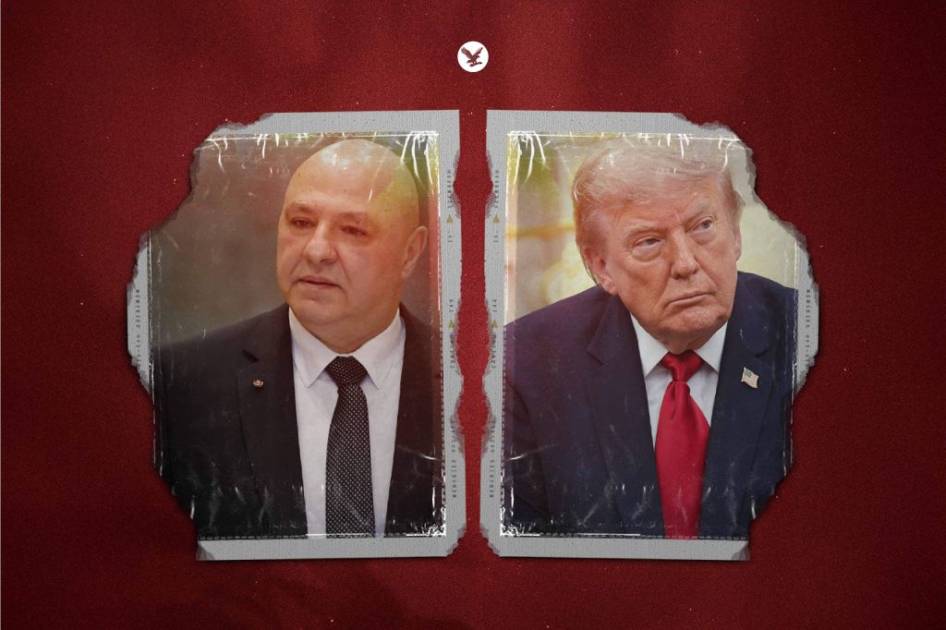
Lebanon at the White House... What do Trump and Aoun want?

Summary: Former Lebanese ambassador to Washington Antoine Chédid said in an audio interview with Independent Arabia that this visit is very important in this troubled and explosive regional situation, amid the existing tension between the United States and Iran.
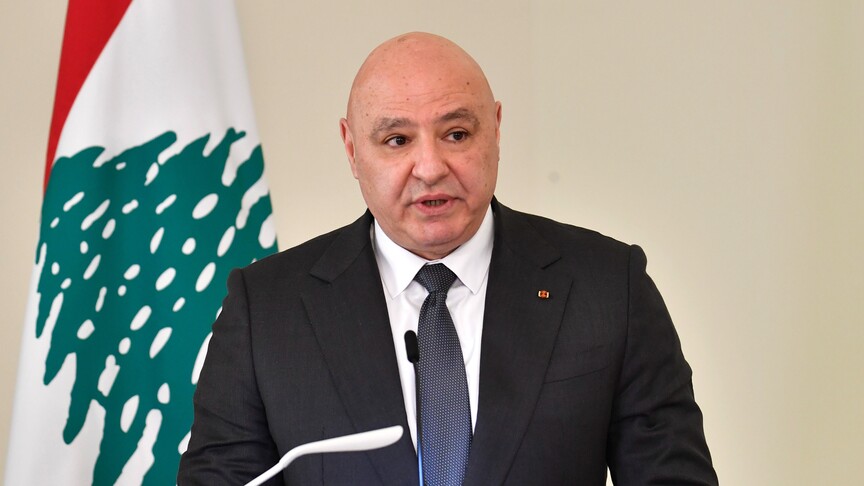
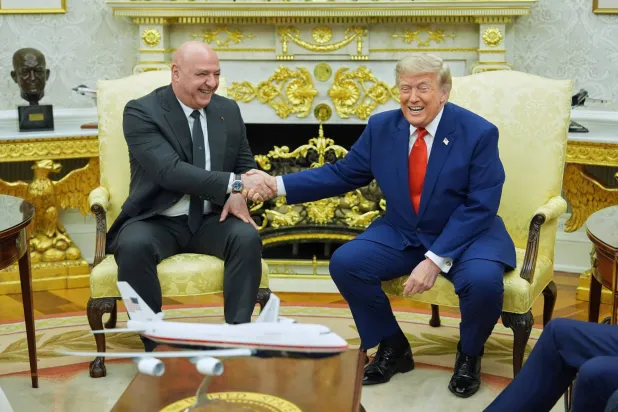
Lebanese President Joseph Aoun will be a guest at the White House today, Tuesday, July 21, where he will meet US President Donald Trump, in a visit that is the first of its kind since 2009. Its significance lies in the conditions Lebanon and the region are experiencing, with Israel continuing to occupy a large part of southern Lebanon and conditioning the complete removal of Hezbollah's weapons before any withdrawal.
In return, the US is seeking a diplomatic or military "victory" in the region as the war on Iran continues and renews after the failure of the ceasefire, while any fruitful and practical agreement between Beirut and Tel Aviv is considered a victory on a front that has been aflame for a long time.
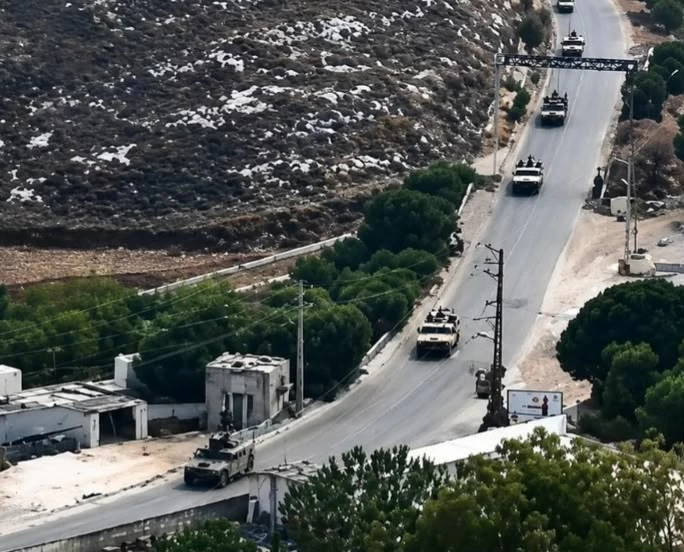
Former Lebanese ambassador to Washington Antoine Chédid said in an audio interview with Independent Arabia that this visit is very important in this troubled and explosive regional situation, amid the existing tension between the United States and Iran, and it comes with the start of the implementation of the first phase of the framework agreement, which stipulates Israel's withdrawal from a trial area in southern Lebanon and the deployment of the Lebanese army there, preceded by verification that these areas are free of Hezbollah weapons.
Read more
4 priorities Aoun brings to Trump
Aoun: Criticism of direct negotiations with Israel does not deserve a response
Lebanese president arrives in Washington to meet Trump
In response to a question, "What does Donald Trump want from President Aoun?", Chédid said the US president wants to implement the framework agreement, which means restricting weapons to the hands of the Lebanese state, restricting the decision of war and peace to it, and extending its control over all Lebanese territory. This also means clearly removing the Lebanese card from Iran's hands, so that it does not use it as a bargaining chip in its talks with Washington. He considered that this goal is one of Trump's priorities, which explains the US administration's insistence and pressure on Israeli Prime Minister Benjamin Netanyahu to cooperate and withdraw from Lebanon, after Trump publicly announced his support for Israel's withdrawal from Lebanese territory.
In contrast, Chédid considers that what Aoun wants from Trump is to continue pressuring Netanyahu to push Israel to withdraw from the areas it still occupies in Lebanon, which would facilitate the Lebanese state and the Lebanese army in proceeding with the implementation of the process of restricting weapons to the state. He said, "In the explosive conditions between the United States and Iran, Aoun also seeks to obtain continuous American support for the Lebanese army, whether through supplying it with weapons and equipment or through training. The most important thing President Aoun will request is the continuation of American support for Lebanon, and that the US Central Command continue to play the primary role in the verification process of the areas from which Israel withdraws, preventing Israel from undertaking this task itself, which could hinder the implementation of the framework agreement."
He added that in addition to the above, Aoun will request economic and financial support for Lebanon, based on the country's need for American backing at this critical stage.
He concluded, "In short, President Aoun is betting on continued American pressure on Israel to complete its withdrawal from Lebanon, which would facilitate the Lebanese state, and specifically the Lebanese army, in implementing the framework agreement and restricting weapons to the state."
Original source: Independent Arabia

Comments (0)
Be the first to comment.