Libyan (4+4) Committee Adopts New Mechanism to Select Election Commission Head
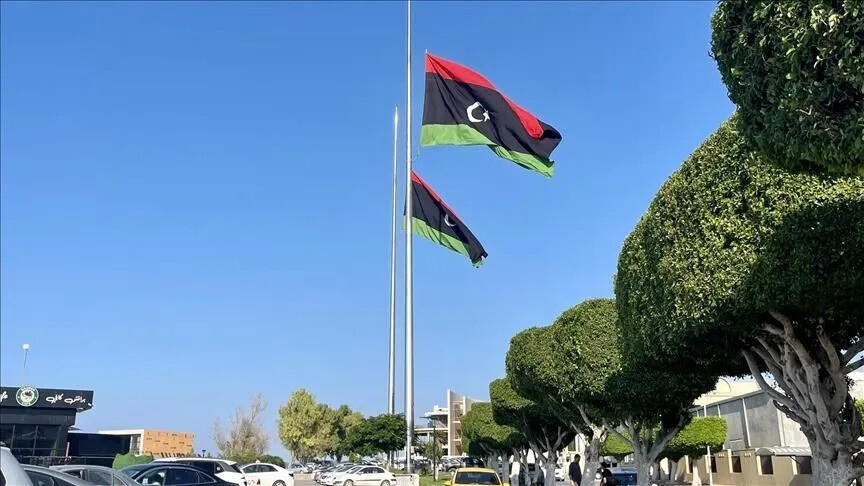
Following its meeting in Tunis, according to a statement by the United Nations Support Mission in Libya..
Libya / Mutaz Wannis / Anadolu Agency
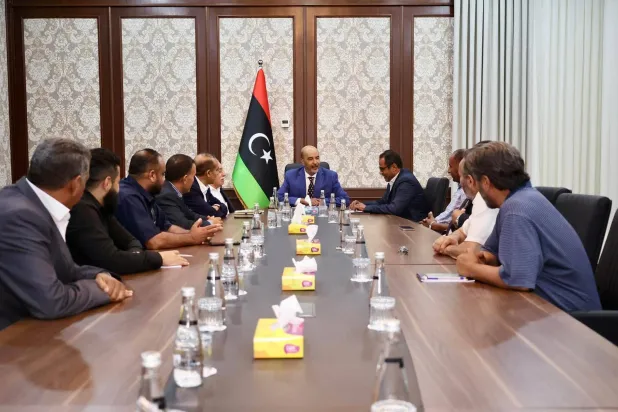
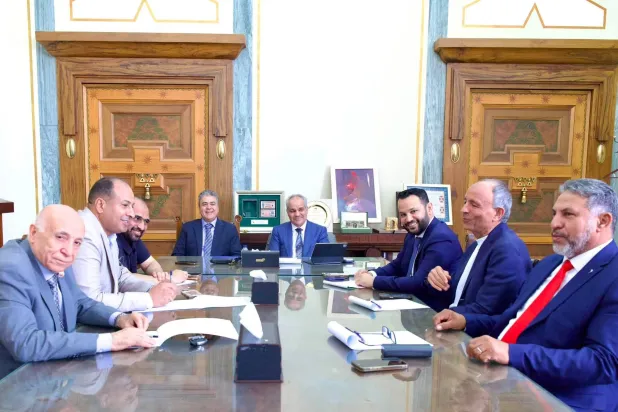
The Libyan mini-dialogue committee (4+4) adopted on Tuesday a new mechanism to reach a consensus candidate for the presidency of the National Elections Commission, after failing to implement the previously agreed mechanism.
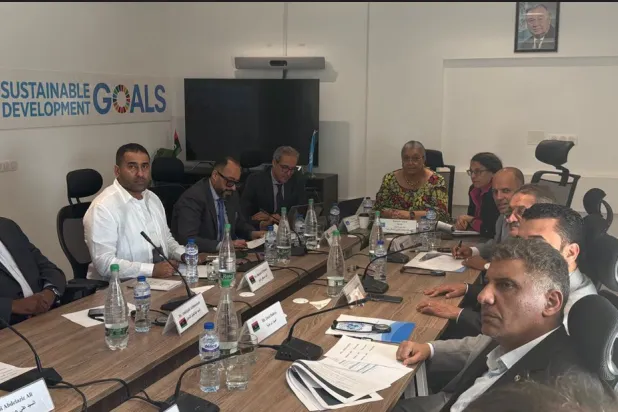
This came in a statement by the United Nations Support Mission in Libya, after the committee's meeting, which includes four members representing the Government of National Unity and four members representing eastern forces, in the Tunisian capital.
The mini-dialogue committee has been conducting its discussions for months, within the framework of the path announced by the UN envoy to Libya, Hanna Tetteh, during her briefing before the Security Council on April 22 last, confirming that she had communicated with a mini-group of Libyan actors to identify ways out of the political deadlock and pave the way for Libyan institutions to implement the roadmap.
The roadmap, announced on August 21, 2025, is based on several pillars, most notably implementing a technically sound and politically acceptable electoral framework for holding presidential and parliamentary elections, along with unifying institutions through forming a new unified government.
The UN mission said those present decided to "adopt a new mechanism to reach a consensus candidate for the presidency of the National Elections Commission, after the delay in implementing the previously agreed mechanism," without revealing details of the new mechanism.
It added that committee members continued drafting the final agreement's clauses, based on the understandings reached during previous sessions regarding the legal framework for holding presidential and parliamentary elections.
The mission explained that the first week of next August was set as the date for a new meeting, without specifying its location, to complete the remaining work of the committee.
The final agreement was scheduled to be signed during Tuesday's meeting, as announced by the mission last week, but it did not clarify the reasons for postponing the signing.
The mission had mentioned in a previous statement that committee members had completed discussing all outstanding issues and agreed to task a team from among them, with the mission's support, to draft the final agreement in preparation for its signing during the subsequent meeting.
These efforts come within the UN-led endeavors to bring Libya to elections that end the political division between two governments: the Government of National Unity headed by Abdul Hamid al-Dbeibeh, based in Tripoli, administering the west of the country, and the government of Osama Hammad, appointed by the House of Representatives in early 2022, based in Benghazi, administering the east and most southern regions.
Libyans hope that the upcoming elections will lead to an end to political and armed conflicts and put an end to the transitional phases that have been ongoing since the overthrow of Muammar Gaddafi's regime in 2011.
Original source: Anadolu Agency

Comments (0)
Be the first to comment.