Egypt: 850,000 Beneficiaries Removed from Ration Cards and Inquiries Regarding Controls
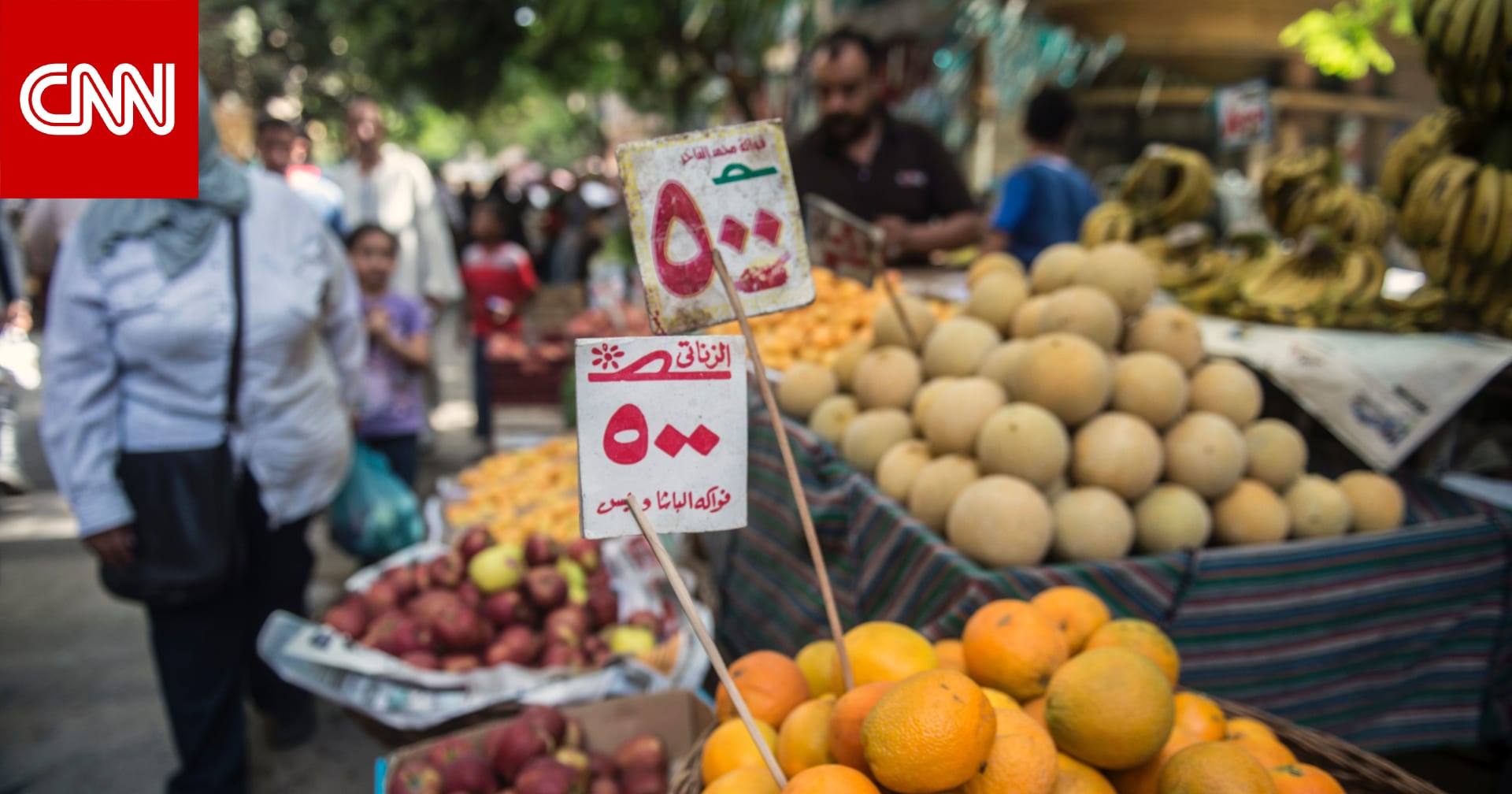
Credit: KHALED DESOUKI/AFP via Getty Images (CNN)-- The Egyptian government continued to review the lists of beneficiaries of the food subsidy system, as part of a plan it says 'aims to direct support to the most deserving groups,' while the exclusion of hundreds of thousands of beneficiaries in recent months has sparked controversy inside the House of Representatives, after parliamentarians submitted inquiries to the government demanding a review of some exclusion criteria and ensuring that deserving individuals are not removed from the subsidy system.
The procedures for purifying ration cards come within a periodic review of the subsidy database, which the government says aims to 'increase the efficiency of the subsidy system and reduce waste, while continuing to study the gradual transition to a targeted cash subsidy system.'
The Ministry of Supply had announced the exclusion of about 850,000 beneficiaries from the subsidy system during last June, and a number of House of Representatives members submitted inquiries to review the mechanisms for purifying ration cards, considering that some exclusion criteria need reassessment in light of the current economic conditions, while emphasizing the importance of continuing to direct support to those who deserve it.
In the face of criticism, the Ministry of Supply said the procedures are based on specific criteria and are subject to review through a system that allows citizens to submit complaints if they believe they have been excluded unjustly.
Ahmed Kamal, spokesperson for the Ministry of Supply and Internal Trade, said in televised statements on the program 'Al-Hekaya' broadcast on MBC Masr channel that 'purifying ration cards is an ongoing process aimed at excluding those who are not eligible for support,' explaining that the goal is not to reduce the number of beneficiaries or lower the value of support, but to ensure it reaches the most deserving groups.
He added that the exclusion of those not entitled is done according to criteria set by the Ministerial Committee for Social Justice, which include indicators of income, expenditure, tenure and ownership, including owning high-value cars or more than one car, importing a car from abroad, owning agricultural land exceeding ten feddans, owning companies with paid-up capital exceeding 1.75 million Egyptian pounds (about $34,800), in addition to some indicators of spending on education.
He explained that the exclusion decision does not depend on a single criterion, but on a set of combined indicators, noting that citizens who believe they have been harmed by the decision can update their data through the 'Digital Egypt' platform and submit a complaint through their affiliated supply office.
He indicated that the Ministry of Supply directed all supply offices since mid-June to receive complaints, explaining that reviewing requests takes between one and two weeks, and if the citizen's eligibility is confirmed, they return to the subsidy system immediately.
Kamal revealed that the ministry excluded about 850,000 beneficiaries last June, explaining that the final number of those excluded will not be determined until after reviewing all complaints and reinstating those proven eligible to the system.
He added that purifying the cards also aims to make room for including the most needy groups, noting that the most care-needy families will not be affected by these procedures, and that the ministry is working to ensure support reaches those entitled more efficiently.
Regarding the file of transitioning to cash support, Kamal said the government continues to review studies and scenarios for implementation, allowing more time for societal dialogue and studying proposals, with final details and implementation mechanisms to be announced in an official conference after the reviews are completed.
In contrast, a number of House of Representatives members believe that some exclusion criteria need review, and that their application in some cases may lead to the removal of families still in need of support, which prompted them to submit inquiries to discuss the file inside parliament.
Among the MPs who submitted inquiries, Mohamed Elshweikh said that directing support to those entitled is a goal agreed upon by all parties, explaining that parliament does not object to the principle of purifying the support system, but demands ensuring the fairness of criteria and not harming groups that still need support.
Elshweikh explained, in exclusive statements to CNN Arabic, that there is a difference between excluding those not entitled according to clear economic and social criteria, and stopping support for citizens due to administrative violations, such as electricity or building violations, considering that depriving a citizen of support in such cases represents an additional penalty disproportionate to the nature of the violation, and requires a review of these mechanisms.
He added that the complaints system needs to be clearer and faster, so that the citizen can easily reclaim their right if proven eligible, stressing the need for complaint procedures to be simplified and not complicated—observations raised during discussions with the Minister of Supply as part of reviewing mechanisms for excluding beneficiaries from the support system.
Elshweikh said that among the demands raised by MPs is a reassessment of some exclusion criteria, especially in light of economic changes and rising inflation rates, considering that some indicators, such as owning a car or possessing a limited area of agricultural land, may not necessarily reflect the citizen's ability to dispense with support.
In the same context, MP Asmaa Hegazy said she submitted an inquiry about the mechanisms for purifying ration cards, because she believes that exclusion procedures should be based on precise and studied criteria, not indicators that may harm low-income families that rely primarily on support.
Hegazy added, in exclusive statements to CNN Arabic, that there are humanitarian cases that require consideration of their circumstances, noting that a large number of families depend on ration allocations to meet their basic food needs. She indicated that the support system is linked to food security, and therefore any decisions to exclude citizens must be preceded by clear controls, prior warning, and granting citizens sufficient time to update their data and submit complaints before implementing deletion decisions.
She called for a review of the exclusion criteria from ration cards, so that they are based on clear indicators such as high stable income level or owning large assets and wealth, rather than relying on indicators that may not reflect the true economic situation of the family.
Hegazy believed that purifying the support system should start with the economically stronger groups, then gradually review the rest, ensuring that the most needy citizens are not affected or deprived of support without real justification.
Original source: CNN Arabic



Comments (0)
Be the first to comment.