Burhan advisor: Turkey can convey Sudan's truths to the world
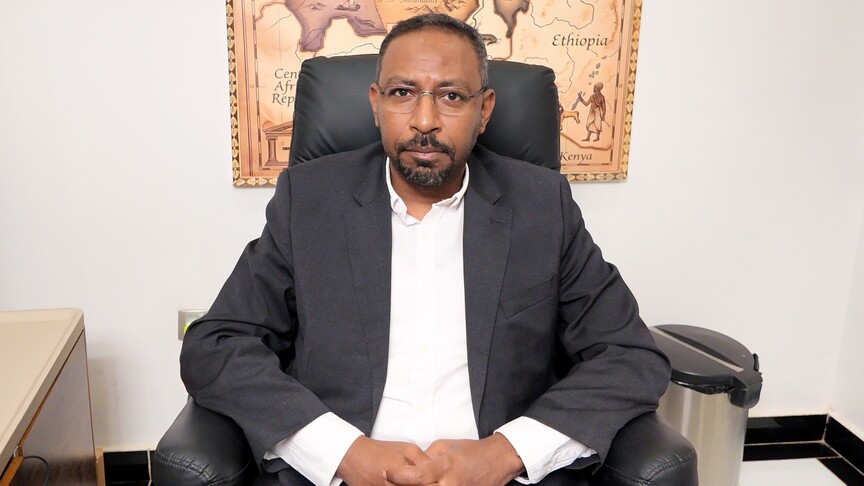
Abuja / Anadolu
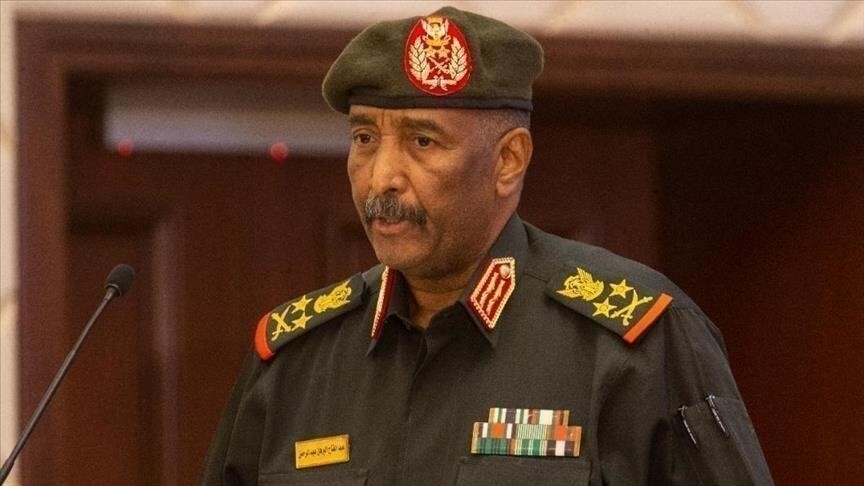
** Amjad Farid al-Tayeb, advisor to Sudanese Sovereign Council Chairman Abdel Fattah al-Burhan:
- Turkey has a special status due to its relations with both the Islamic world and NATO countries
- Sudan's events cannot be reduced to a conflict between two political parties but an attack on sovereignty
- Treating the Sudanese crisis as merely a humanitarian disaster represents an incomplete approach
- The classification of the Rapid Support Forces as a terrorist organization should be at the global level
- The conflict in Sudan began as a result of internal political differences, but later turned into a proxy war
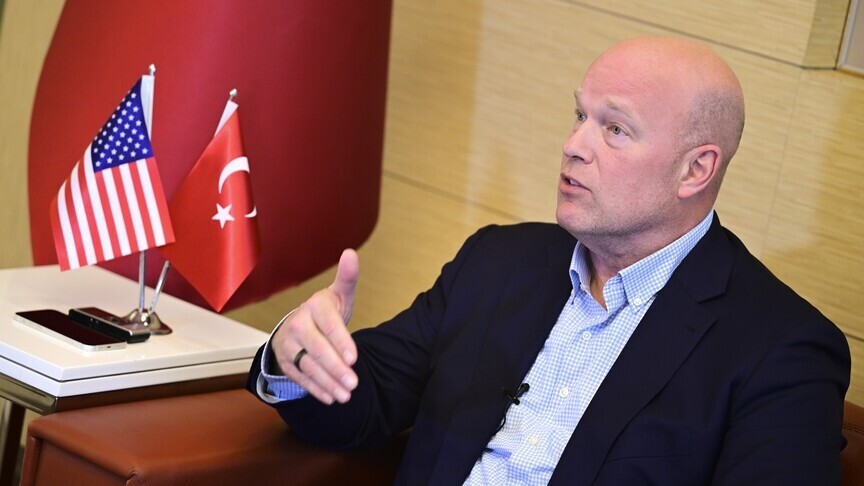
Amjad Farid al-Tayeb, advisor to Sudanese Sovereign Council Chairman Abdel Fattah al-Burhan, said that Ankara can contribute to conveying the facts about his country to the world, attributing this to Turkey's special status in the Islamic world and its membership in NATO.
The advisor for political affairs and foreign relations explained in an interview with Anadolu that the ongoing conflict in Sudan is now directly affecting the country's future and regional security.
Al-Tayeb touched on the depth of historical relations between Sudan and Turkey, adding: "The support Khartoum received from Ankara was a reflection of the historical ties between the two countries, but we look forward to more."
He stressed that Turkey has a special status due to its relations with both the Islamic world and NATO countries, and that Ankara can contribute to conveying the facts about Sudan to the world.
** Call to classify the Rapid Support Forces as a terrorist organization
Al-Tayeb stressed the necessity of classifying the Rapid Support Forces internationally as a "terrorist organization," considering that the war in Sudan has turned into a proxy war.
He emphasized that the events in Sudan cannot be reduced to a conflict between two political parties or between two generals, but rather an "attack on Sudan's sovereignty."
He described the Rapid Support Forces as a "brutal militia formation," accusing them of committing unprecedented crimes in Sudan's modern history and operating with support from regional entities.
He pointed out that treating the Sudanese crisis as merely a humanitarian disaster represents an incomplete approach, adding: "This crisis was not caused by an earthquake, fire, or natural disaster."
He continued explaining: "Rather, it is a crime committed by criminals, and the humanitarian crisis cannot be resolved without identifying those responsible for these crimes."
He stressed that the classification of the Rapid Support Forces as a terrorist organization should be at the global level, explaining that this "is not a political demand but a description of what is happening on the ground."
** Sudan's war turned into a proxy conflict
Al-Tayeb said the conflict began as a result of internal political differences, but later turned into a proxy war, as various parties, through supporting the Rapid Support Forces and some political forces, seek to achieve their own agendas inside Sudan.
He criticized the international community's "lack of listening" sufficiently to the voice of the Sudanese people, noting that the recent UN Security Council warnings have not succeeded in changing the field reality.
He stressed the need to support the Sudanese state in facing what he described as the "greatest existential threat" facing the country, considering that maintaining state institutions is essential for the region's stability.
** Necessity of preserving Sudan's unity
Al-Tayeb stressed that Sudan's unity and territorial integrity are not only important to Sudanese but are also linked to the security of the region and Europe, warning that the collapse of the state could leave millions of people stateless.
He explained that Sudanese wish to return to their country, pointing to the beginning of the return of displaced people to areas recaptured by government forces.
He said return operations have begun in areas under government control, especially the capital Khartoum, affirming that achieving security and re-establishing state authority across the country are essential conditions for the return of the displaced.
He added that the priority of the Sudanese people is to protect state institutions and restore security and stability, noting that democratic transition can only begin after achieving these goals.
Al-Tayeb affirmed that Sudan has a democratic experience, and that the Sudanese people are capable of determining their own political future.
In conclusion, he welcomed international support for Sudan, but stressed that international initiatives must involve Sudanese and align with their demands and aspirations.
Since mid-April 2023, the Sudanese army and the Rapid Support Forces have been fighting a war that has killed more than 20,000 people and caused the displacement and refuge of about 15 million, while a study by American universities estimated the death toll at about 130,000.
Original source: Anadolu Agency

Comments (0)
Be the first to comment.