Pakistan seeks to restart stalled US-Iran talks amid China push

Islamabad is exploring diplomatic channels to revive US-Iran negotiations following a Chinese initiative, but obstacles remain high as Houthi blockades escalate tensions in the Gulf region.
Pakistan and Iran explore path toward new talks with US

A photograph released by Pakistan's military shows Iran's Interior Minister Eskandar Momeni shaking hands with Pakistan's Army Chief Field Marshal Asim Munir in Rawalpindi on Tuesday.
Pakistan has historically maintained ties with both Iran and Saudi Arabia, positioning it as a potential mediator in regional conflicts.
Short Url
https://arab.news/r2d6u
Updated 24 July 2026 19:17
Reuters
July 24, 2026 15:10
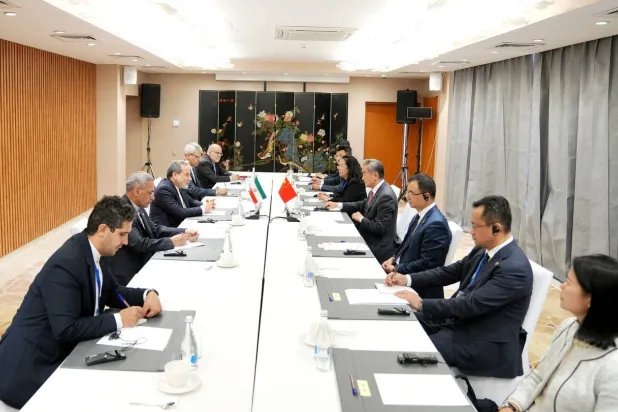
According to three Pakistani sources, Islamabad is examining potential avenues to resume US-Iran talks, which have been at an impasse for nearly five months. The initiative was spurred by China, and preliminary discussions occurred during Iranian Interior Minister Eskandar Momeni's second visit to Islamabad in ten days. Momeni, affiliated with Iran's Revolutionary Guard Corps, met with senior Pakistani officials and Army Chief Asim Munir. The sources emphasized that significant hurdles to engaging with the US persist.
Hormuz closure hitting China
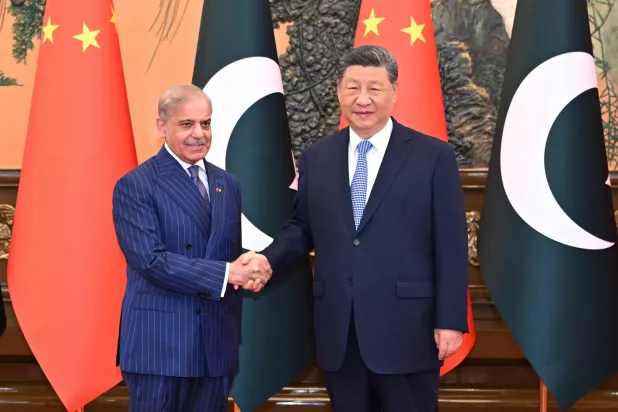
Pakistan's role as a potential mediator has grown more complex. This week, Yemen's Houthi movement, backed by Iran, announced a naval blockade against Saudi Arabia—a close Pakistani ally with which Islamabad signed a mutual defense treaty last year. China has economic stakes in reopening vital Middle Eastern trade routes. Pakistan's Foreign Minister Ishaq Dar discussed the Middle East initiative with Chinese officials during his visit to China last week. A Pakistani government official noted China's displeasure over Iranian attacks on Gulf states and the closure of the Strait of Hormuz, which affect Chinese interests. Disruptions in the Red Sea also threaten another key trade route. Dar and the Pakistani military's PR wing did not respond to requests for comment. China's foreign ministry expressed support for Pakistan's mediation efforts and pledged to continue promoting peace in the region.
Halt in attacks
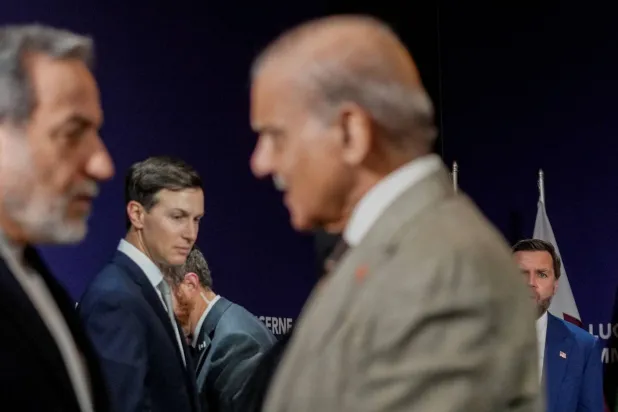
Beijing has consistently backed Pakistan’s mediation efforts and had in March dispatched its special envoy to lead a shuttle-diplomacy trip around the Middle East. The US and Iran signed a memorandum of understanding in June to move toward ending the war after mediation by Pakistan and Qatar. It was intended to provide a 60-day window for negotiations on a permanent agreement. But indirect talks yielded no progress. Both sides blamed each other for violations, and the conflict resumed. The Houthis said on Thursday that they struck two Saudi oil tankers as part of their naval blockade, threatening to create a second chokepoint for global oil supplies alongside the near-closure of the Strait of Hormuz. The escalation has raised both the stakes and the hurdles for Pakistan’s latest diplomatic efforts. A halt in attacks on Saudi Arabia and other Gulf nations would now be a “pre-requisite for any talks to resume,” said a Pakistani official. It’s a message that Pakistan has conveyed to Iran, the official added.
Topics:War in Iran
The Houthi blockade and strikes on Saudi tankers have raised the stakes for Pakistan's mediation effort. China, a key economic player, is keen on resolving the conflict to reopen trade routes such as the Strait of Hormuz and the Red Sea. Despite a previous memorandum of understanding between the US and Iran facilitated by Pakistan and Qatar, indirect talks stalled and conflict resumed. Pakistan has now conveyed to Iran that a halt in attacks on Saudi Arabia and other Gulf states is a necessary prerequisite for restarting negotiations.
Original source: Arab News

Comments (0)
Be the first to comment.