Pezeshkian Reveals Expanding Communication with Iran's Supreme Leader
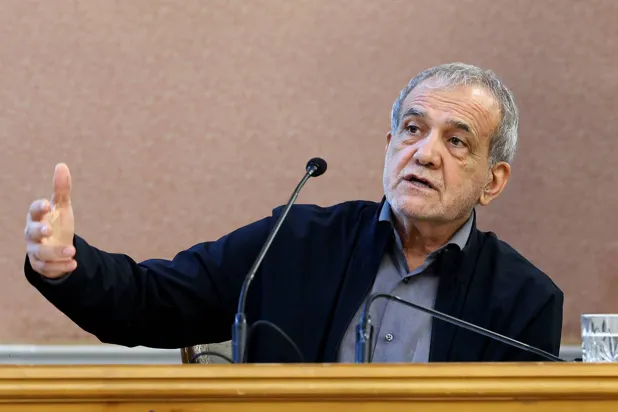
Iranian President Masoud Pezeshkian revealed on Tuesday that channels of communication with the new Supreme Leader Mojtaba Khamenei are gradually expanding, and said that all moves related to negotiations are conducted under his guidance, amid escalating disagreement within governing institutions over the Supreme Leader's stance on dialogue with Washington, and ongoing ambiguity about his health and his method of running the country since taking office.
Pezeshkian accused the official state broadcasting organization of cherry-picking Khamenei's statements rejecting negotiations with the United States, while ignoring directives he said the Supreme Leader issued during private meetings about the need to end the current situation.
Pezeshkian said during a public ceremony: 'Television only broadcasts the part about not negotiating with America, while the Supreme Leader affirmed in private meetings the need to put an end to this situation,' according to the Iranian presidency website.
He added that all actions related to the negotiations were carried out 'based on directives' from the Iranian Supreme Leader, criticizing statements he described as inaccurate and failing to consider the various dimensions of the issue.
In a video clip published by official media, Pezeshkian said: 'The level of interaction with the dear Supreme Leader is increasing day by day, and it should increase so that we can solve our problems through his guidance.'
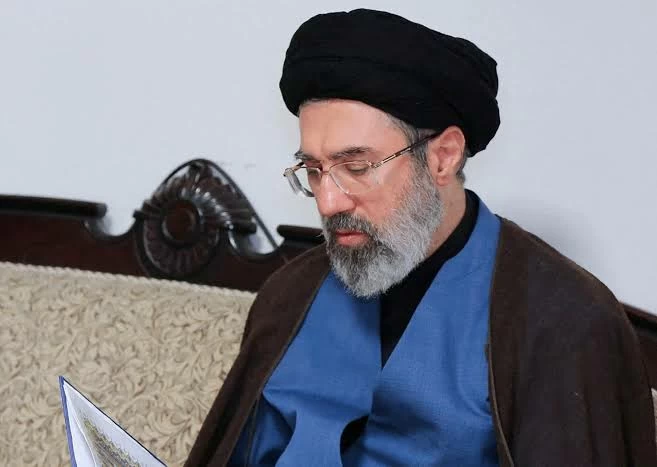
His statement gains particular significance after months of speculation about the health of Mojtaba Khamenei, who has been absent from public appearances since the airstrike that killed his father, former Supreme Leader Ali Khamenei, at the start of the war.
The reference to an increased level of 'interaction' or 'access' to him also carried an implicit acknowledgment that senior officials' communications with the new Supreme Leader have remained limited since his selection for the post, despite the issuance of frequent decisions and statements in his name.
Pezeshkian had announced last May that he met Mojtaba Khamenei, the first disclosure by an Iranian official of a direct meeting with the Supreme Leader since he assumed office. Three days later, Ali Abdollahi, commander of operations of the Armed Forces General Staff, announced that he met Khamenei and briefed him on military developments.
So far, Pezeshkian and Abdollahi remain the only officials who have announced a meeting with the Supreme Leader, while no photos or recordings documenting the two meetings have been published, and he continues to be absent from public view.
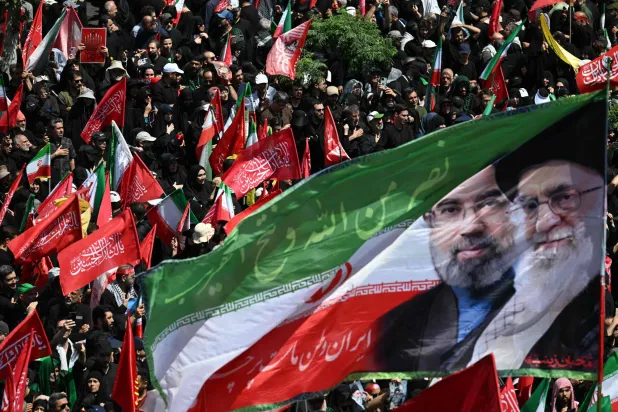
An Iranian passes by a portrait of Supreme Leader Mojtaba Khamenei in Tehran the day after signing the agreement to end the war with the United States (DPA)
A Supreme Leader Absent from the Scene
Mojtaba Khamenei was chosen as Iran's Supreme Leader on March 8, about ten days after his father was killed. Since then, authorities have not published any recent video or audio recording of him.
His public presence has been limited to written statements published in his name, without photos documenting his meetings or recordings of speeches and audio messages, a clear departure from the approach previously followed by authorities in presenting the Supreme Leader's positions on major issues.
Three sources close to Mojtaba Khamenei told Reuters in April that the airstrike that killed his father also caused him severe facial and leg injuries.
Senior sources told the agency in July that the absence of photos and audio recordings is due to health and security considerations. Security risks remain high after Ali Khamenei was killed in the first US and Israeli strikes, which were carried out while diplomatic efforts were underway to resolve the conflict between the three parties.
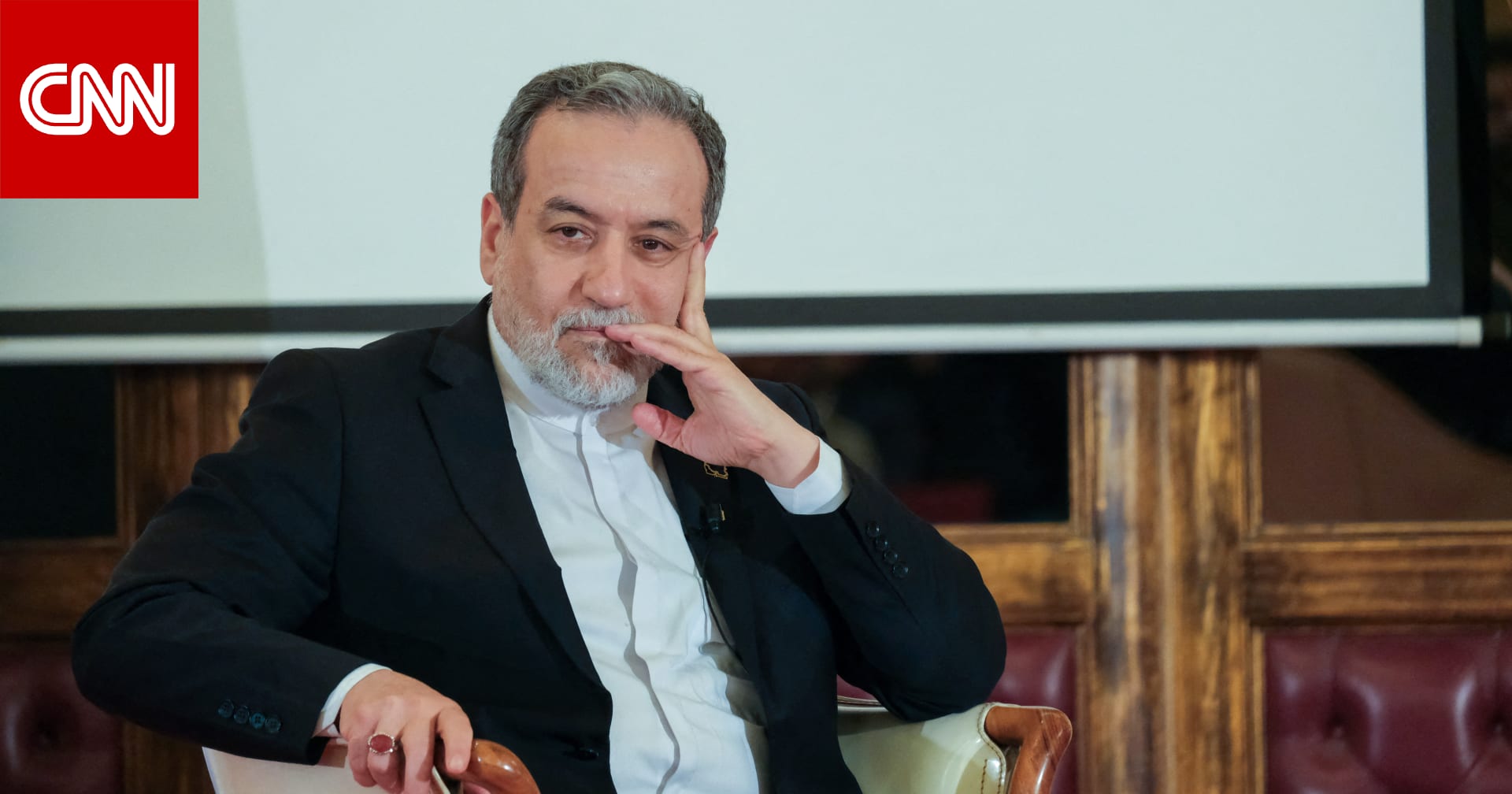
Ambiguity deepened recently after Foreign Minister Abbas Araghchi announced that he had not met Mojtaba Khamenei face-to-face 'at any time,' and that only a limited number of officials have been able to see him since he assumed leadership.
Pezeshkian did not clarify the nature of the communication he said was increasing, or whether he had met the Supreme Leader in person. He also did not specify how the 'private meetings' took place during which he attributed to Khamenei the call to end the situation, or the mechanism by which his directives reach the government and the negotiating team.
Struggle Over Interpreting Directives
Pezeshkian's statements aim to dispel doubts about the Supreme Leader's ability to run state affairs, while also revealing a power struggle over the interpretation of his positions, particularly regarding the war and negotiations with the United States.
Official media and hardline figures focus on statements rejecting negotiations, while Pezeshkian says Khamenei calls in closed meetings for an end to the crisis, and that diplomatic moves are based on his approval and directives.
This disagreement comes after the collapse of a memorandum of understanding that was supposed to pave the way for negotiations between Iran and the United States to end the war. The process halted following attacks targeting ships in the Strait of Hormuz, followed by a US military response, before the confrontation entered a new phase of mutual strikes lasting more than ten days.
The memorandum sparked division within governing institutions over the terms of negotiation, the limits of possible concessions, and responsibility for the collapse of the diplomatic track.
By attributing the government's steps to the Supreme Leader's directives, Pezeshkian seeks to shield his team from accusations by his hardline opponents that he exceeded his mandate or went too far in negotiating with Washington.
Khamenei's absence from the public scene gives competing parties ample space to offer divergent readings of his directives, in the absence of a direct visual or audio address that could be referenced.
Confrontation with State Television
Pezeshkian's criticism of the official state broadcasting organization is an extension of previous criticism and confrontation with the discourse the institution presents regarding the government, the war, and the diplomatic path.
On July 14, the Iranian president attacked the portrayal of the government and armed forces as opposing camps, saying: 'When they say on television that the armed forces are on one side and the government on the other, that means there is discord; this is the talk of Israel.'
His repeated criticisms indicate that the dispute has left closed rooms and extended to how the war and negotiations are presented to public opinion, and to whom is authorized to speak on behalf of the Supreme Leader and define the meaning of his directives.
In his speech on Tuesday, Pezeshkian also recalled Ali Khamenei's support for his government, saying that the former Supreme Leader 'always stood like a mountain' behind him and the government. He added: 'Today also we need the support of the Iranian Supreme Leader.'
0 seconds of 0 secondsVolume 90%
Press shift question mark to access a list of keyboard shortcuts
00:00
00:00
00:00
Rezaei Offers a Different Account
Mohsen Rezaei, advisor to the Iranian Supreme Leader and former commander of the Revolutionary Guards, offered a different interpretation of Mojtaba Khamenei's positions, focusing on warnings about the United States and distrust of negotiations.
Rezaei said that the Supreme Leader's 'wise and guiding statements' removed what he described as the dust of doubt and foiled enemies' attempts to sow ambiguity and hesitation among Iranians.
He added that Iran's opponents tried in recent weeks, through 'psychological and perceptual warfare,' to suggest that national unity has declined, and that conditions are ripe for imposing a new war and expanding it.
Rezaei viewed that Khamenei's renewed emphasis on the United States' 'breach of promises, lies, and repeated deceit' represents a clear warning to those responsible for negotiations, and gives critics a role in monitoring the diplomatic path, according to media outlets close to the Revolutionary Guards.
He also pointed to the Supreme Leader's emphasis on protecting internal unity and avoiding injustice toward individuals, saying that this serves as a reminder to avoid using positions for the benefit of any particular person or political current.
Original source: Asharq Al-Awsat

Comments (0)
Be the first to comment.