Syria seizes advanced weapons it says were bound for Lebanon’s Hezbollah

Hezbollah denies activity in Syria after interception of arms shipment including missiles, rockets and drones via Iraq.

Reporting by Al Jazeera staff and news agencies AFP and Reuters.
Since the ouster of Bashar al-Assad in 2024, Syria’s new authorities have prioritized border security.
Published On 16 Jul 202616 Jul 2026
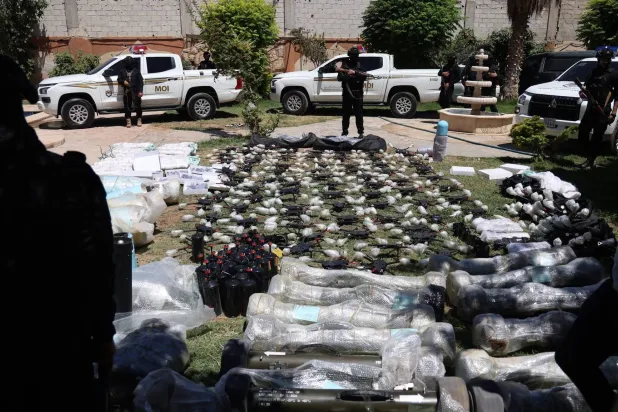
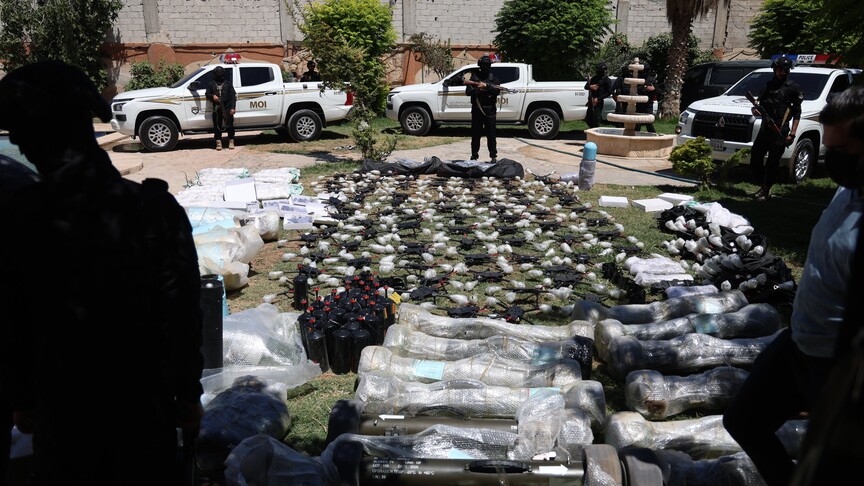
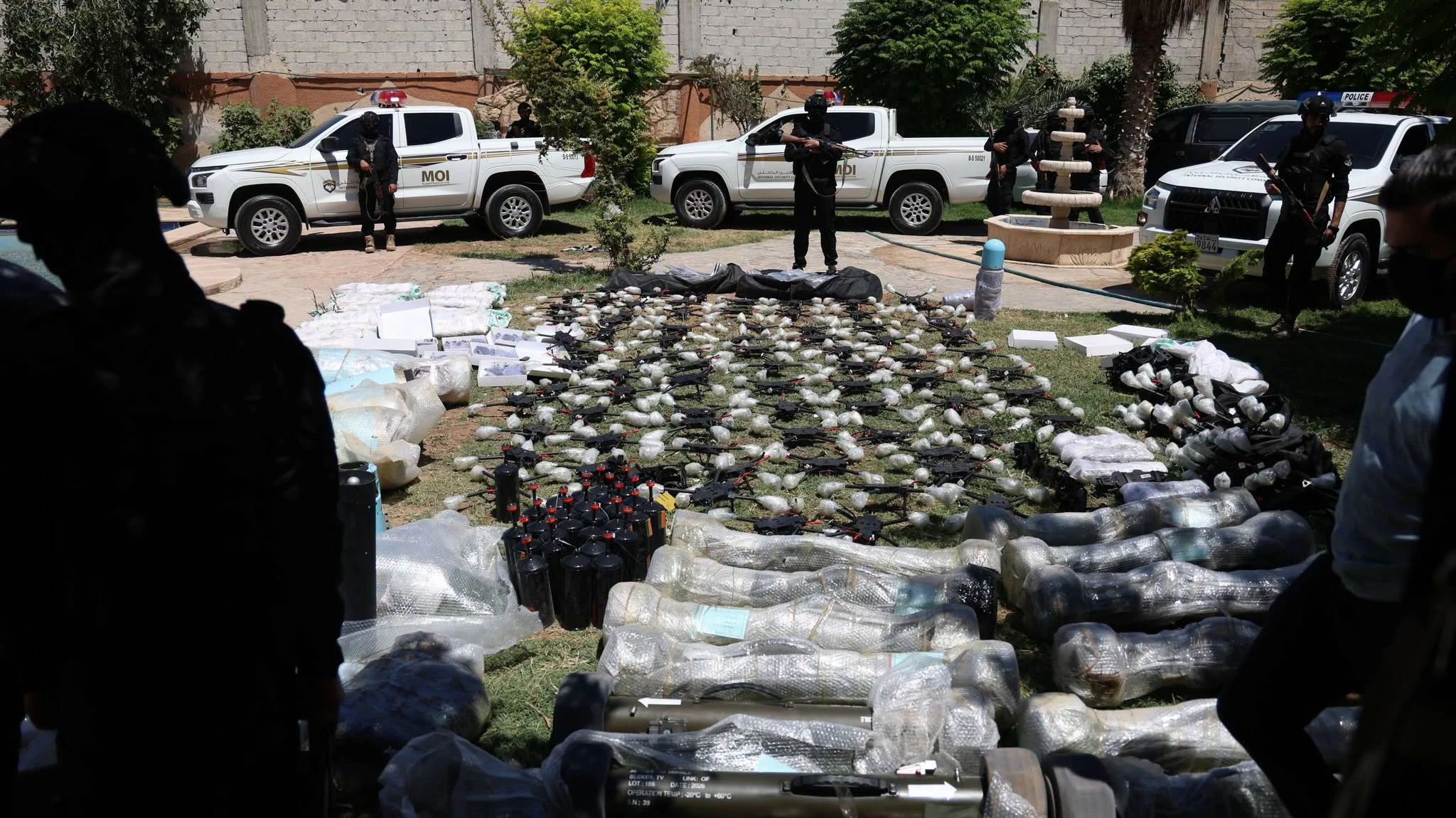
Syrian authorities announced the interception of a weapons shipment containing missiles at the Iraq border, saying they thwarted an attempt to smuggle arms to Hezbollah in Lebanon—a claim the group denies.
Syria’s General Authority of Ports and Customs said on Thursday that the weapons shipment – which included long-range missiles, rockets and drones – was concealed inside “one of the oil tanker-trucks headed to the city of Baniyas”.
Recommended Stories
list of 3 items
- list 1 of 3Syrian parliament convenes for first time following al-Assad’s overthrow
- list 2 of 3In Syria’s Jobar, locals struggle to rebuild their destroyed homes
- list 3 of 3Syrian authorities arrest ex-officer accused of chemical weapons crimes
end of list
It was discovered during routine inspection procedures at the al-Tanf border crossing between Syria and Iraq after customs officers subjected the vehicle to a thorough search, Syria’s state news agency reported.
State news agency SANA, citing Syria’s Interior Ministry, relayed: “According to the ministry, preliminary investigations based on evidence collected at the scene indicated that the shipment was intended to transit Syrian territory before being delivered to the Hezbollah terrorist militia in Lebanon.”
The Iran-backed Lebanese group denied having any activity in Syria, dismissing the accusations in a statement on Thursday as “fabricated narratives with no basis in fact, aimed at harming Hezbollah”.
Syrian authorities are known to be hostile towards the group, as it was an ally of former president Bashar al-Assad before he was ousted in 2024 by members of the current government.
Following the seizure, Iraq said it would form a high-level committee to investigate what happened. The military’s Joint Operations Command said Baghdad would coordinate with Syrian authorities to establish the circumstances of the attempted smuggling, hold those responsible to account, and strengthen security along the shared border.
The Baniyas route, where the tanker was passing through, has been used frequently in recent months for fuel movements between Iraq and Syria, since the main route through the Strait of Hormuz has been disrupted by the Iran war.
“This seizure from Syria is part of a broader reshaping of the region that has occurred over the last couple of years, particularly the fall of the Assad regime in Syria,” said Al Jazeera’s Heidi Pett, reporting from Lebanon.
“It used to be a very popular land route for Iran to traffic weapons and cash to its partner here in Lebanon, Hezbollah. They went from Iran, across Iraq, through Syria, and then here into Lebanon.”
“Under the Assad regime they [Iran] had very little trouble with that, but since the new [Syrian] President Ahmed al-Sharaa took power, he has been cracking down on that crossroad of smuggling,” Pett added.
A source at Syria’s Interior Ministry told SANA that “protecting Syria’s borders and safeguarding its national sovereignty remained a top priority, adding that it would not allow Syrian territory to be used as a transit route or launch point for arms smuggling or other activities that threaten the security of Syria or neighbouring countries”.
US President Donald Trump had spoken to Syria’s al-Sharaa about disarming Hezbollah, which is fighting Israeli forces occupying southern Lebanon. But Lebanese President Joseph Aoun’s office said al-Sharaa had assured him that Syria would not take sides in Lebanon’s internal affairs, including fighting Hezbollah.
The incident underscores the shifting alliances in the region, with Hezbollah losing its key state sponsor after Assad’s fall. Iraq’s involvement reflects its delicate balancing act between Iran and the new Syrian government. The disruption of the Strait of Hormuz due to the Iran war has made land routes through Iraq and Syria more critical for fuel and contraband.
Original source: Al Jazeera

Comments (0)
Be the first to comment.