Trump: Back-channel talks ongoing with Iran; Tehran keen to meet

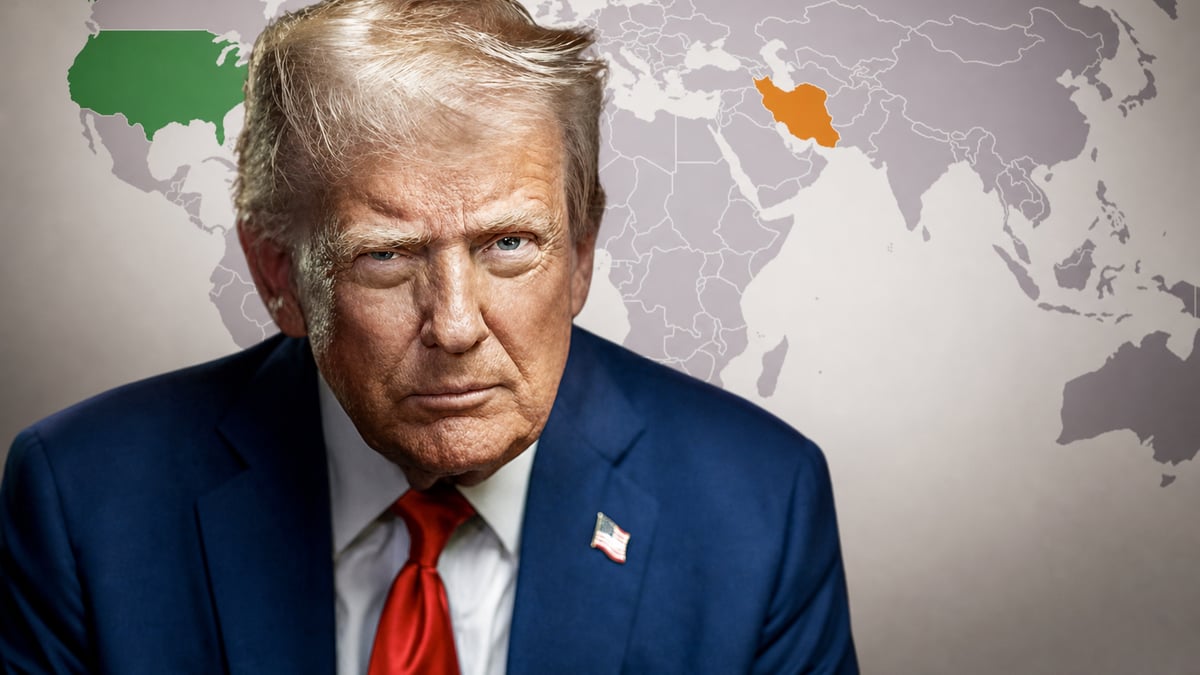
US President Donald Trump revealed on Tuesday that there are 'back-channel talks' underway with Iran, asserting that Tehran is very keen to hold a meeting to end the war, but Washington will not agree to any meeting unless it is 'purposeful.'
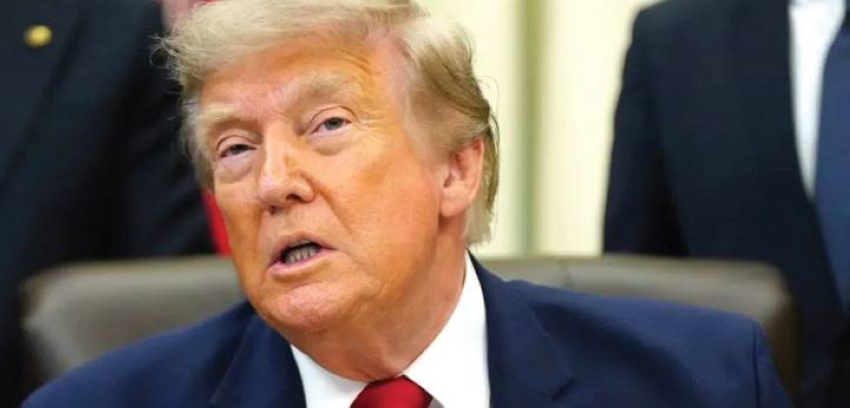
Trump's remarks came during a meeting with Lebanese President Joseph Aoun, in response to a question about the lack of signs of Iran's readiness to cease hostilities. He said: 'How do you know that? You don't know what is happening in back-channel talks,' adding that the Iranians 'very much want to meet to try to end it.'
Trump clarified that his country continues to apply military pressure on Iran, saying: 'Until they are ready to meet in a meaningful way, we have no interest in meeting with them.'
The US president affirmed that the United States is working to 'undermine Iran's capabilities to levels no one thought possible,' noting that Tehran is 'suffering significant damage,' and that if US operations stop, it would need '20 or 25 years to rebuild,' stressing: 'We are not done yet, and we will not leave now.'
On the nuclear file, Trump warned that the United States will target any new Iranian nuclear facility if Tehran tries to rebuild its capabilities, saying that 'any site the Iranians think of reactivating, we will hit it very hard,' noting that the extent of damage from US strikes 'only the Iranians know.'
Trump also addressed the Strait of Hormuz, asserting that restrictions on navigation are still in place and that 'nobody crosses' the strait, amid escalating international concerns over the security of one of the world's most important maritime passages.
In the context of human rights, Trump accused Iranian authorities of killing civilians, saying that 'young children are being killed as if they are nothing,' and claiming that more than 52,000 people have died as a result of the operations.
Trump stressed that the ongoing situation in the Strait of Hormuz will not affect the US midterm elections, emphasizing that his administration's priorities are focused on what he described as 'confronting the Iranian threat.'
Original source: Sabq


Comments (0)
Be the first to comment.