Two scientists warn of risk of collapse of Great Barrier Reef
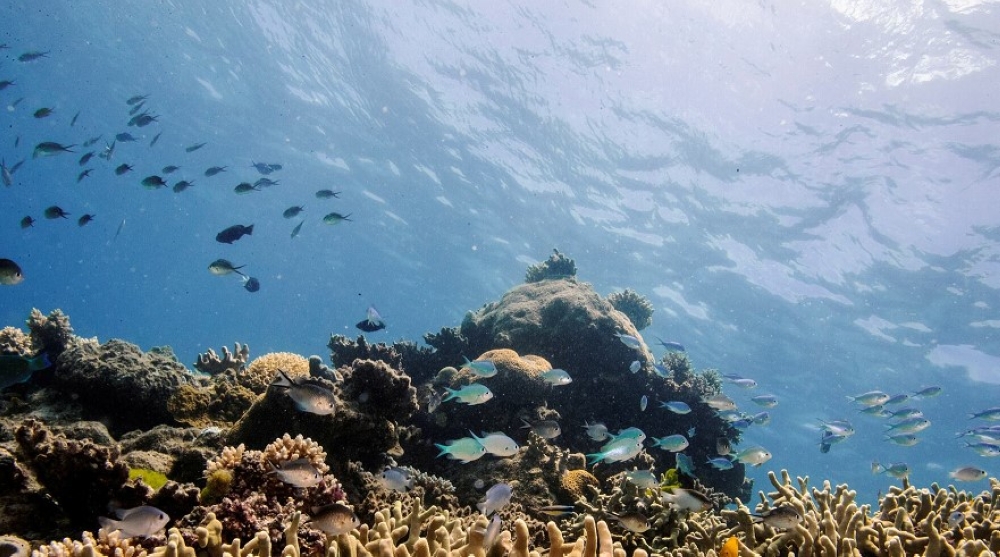
Two prominent scientists have warned that Australia's Great Barrier Reef faces the risk of a severe and widespread coral bleaching event, which could develop into an 'ecosystem collapse', due to the effects of the El Niño climate phenomenon this year.
The Great Barrier Reef, stretching 2,300 kilometers along the coast of Queensland, is the largest coral reef system in the world.
Related news
And this reef escaped being placed on UNESCO's list of World Heritage in Danger, although the organization expressed 'grave concern' over its bleaching and the impact of climate change on it. Marine ecologist Morgan Pratchett from James Cook University in Queensland said during a symposium in Auckland, New Zealand, that the severe El Niño phenomenon is a major concern. He added, 'It is not unlikely that the next major disturbance could lead to local extinctions in some areas... and a widespread collapse of this ecosystem.' This year's El Niño is expected to set records in terms of its strength, as it causes sea surface temperatures to rise in the central and eastern tropical Pacific, leading to global changes in wind patterns, atmospheric pressure, and rainfall. Pratchett said, 'We are very likely to see severe and widespread coral bleaching on the Great Barrier Reef.' UNESCO has been monitoring the reef since 2021, after warning at that time that this 2,300-kilometer-long reef, one of the top tourist destinations, could be placed on the list of World Heritage in Danger. Professor Ove Hoegh-Guldberg, a professor of marine studies at the University of Queensland, said that governments' failure to take urgent action threatens the future of coral reefs worldwide. He added, 'That could be a harbinger of a human catastrophe. It is extremely serious.'
Original source: Al-Yaum





Comments (0)
Be the first to comment.