UN: Israel's occupation of southern Syria undermines confidence in transitional phase
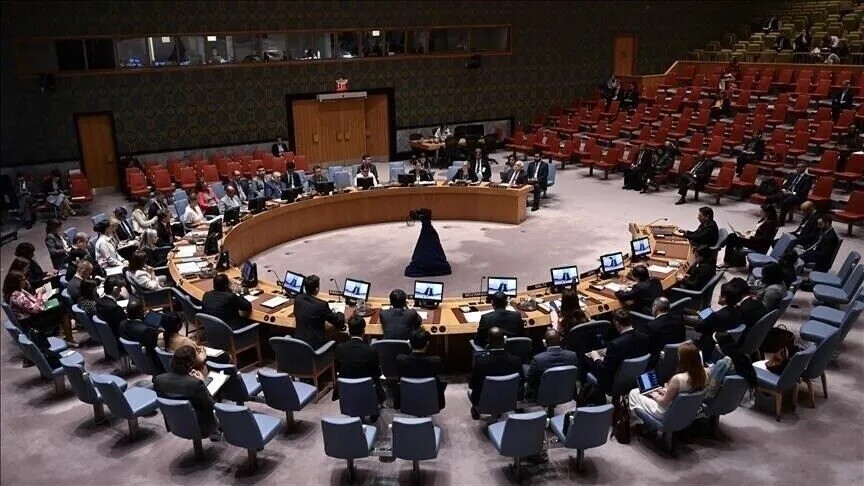
As stated by the UN Deputy Special Envoy for Syria, Claudio Cordone, during a UN Security Council session..
NEW YORK / Anadolu
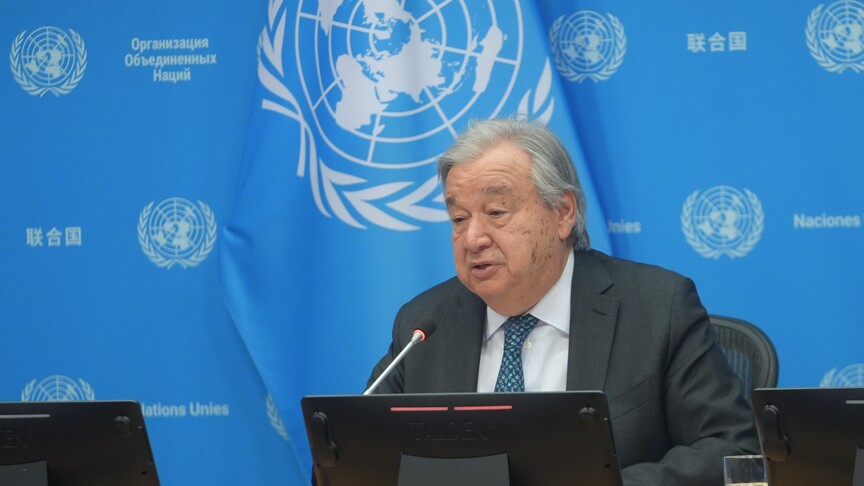
Claudio Cordone, the UN Deputy Special Envoy for Syria, warned that the continued occupation and Israeli military operations in southern Syria undermine confidence in the transitional phase the country is experiencing.
This came during a UN Security Council session on Tuesday evening, dedicated to discussing developments in Syria under the agenda item 'The situation in the Middle East'.
Cordone affirmed that Syria has taken important institutional steps during the transitional phase, noting that the success of this phase depends on inclusive governance, accountability, and a tangible improvement in the living conditions of the population.
He explained that the appointments made this month in the Constitutional Court and the People's Assembly represent important milestones in the transition process, also noting progress in security and military integration efforts in northeastern Syria.
He expressed concern over Israel's continued occupation of areas in southern Syria and its military operations there.
He stressed that these practices violate Syria's sovereignty and territorial integrity, heighten regional tensions, and undermine confidence in the transitional process.
He reiterated the UN's call for Israel to cease activities that violate the 1974 Disengagement Agreement and to respect international law.
He added that the success of the transitional phase will be measured not only by the establishment of institutions but by their performance and functioning, reaffirming the UN’s continued support for a Syrian-led and Syrian-owned political process.
- Return of refugees
For her part, the Director of the Crisis Response Division at the UN Office for the Coordination of Humanitarian Affairs (OCHA), Edem Wosornu, said that Syria stands at a critical juncture after years of conflict.
Wosornu called on the international community to increase its support to help the country transition from reliance on humanitarian aid to recovery and self-sufficiency.
She explained that about 1.7 million Syrian refugees and 1.9 million internally displaced persons have returned to their areas since December 2024, but 5.5 million people remain displaced within the country, while 6 million Syrians live abroad.
Wosornu stressed that return is not the end of the journey, but the beginning, affirming that every returning family needs security, basic services, and the foundations of stability to stay in their homes.
She added that about 15.6 million people, roughly two-thirds of Syria's population, still need humanitarian assistance, as millions of Syrians are deprived of food, clean water, healthcare, education, and income opportunities.
She also noted that repeated Israeli military operations in southern Syria and movement restrictions affect civilians, hinder humanitarian access, and weaken confidence in recovery efforts.
At the conclusion of her briefing, Wosornu explained that the UN has received only $815 million of the $2.11 billion it requested to fund its humanitarian plan in Syria this year, calling on the international community to increase funding, protect civilians, support stability, and ensure humanitarian access.
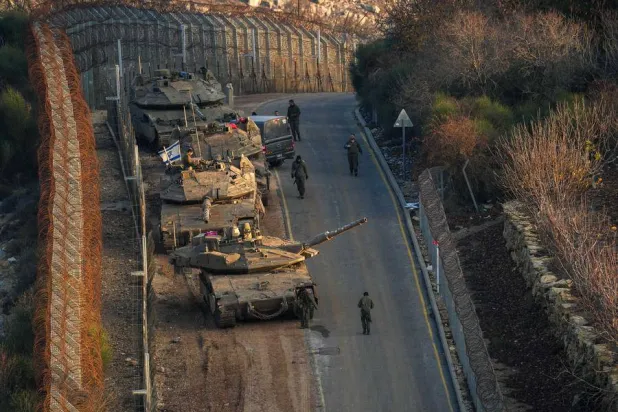
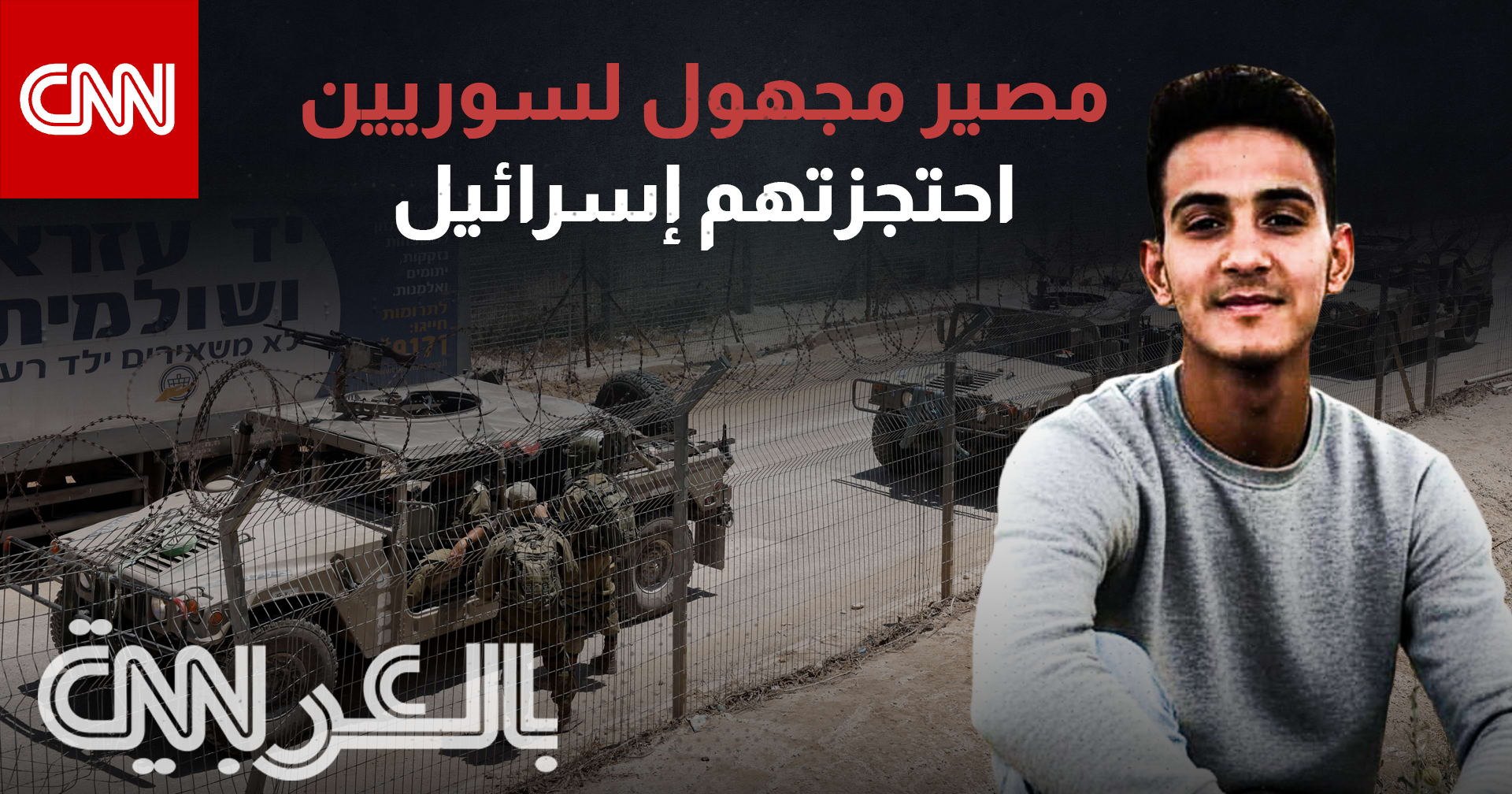
For months, areas in southern Syria have witnessed repeated Israeli incursions and attacks, including raids, searches, arrests, and the establishment of military checkpoints.
These movements escalated following the overthrow of the Bashar al-Assad regime in December 2024, Israel's declaration of the collapse of the 1974 Disengagement Agreement, and its seizure of the Syrian buffer zone.
Original source: Anadolu Agency
Comments (0)
Be the first to comment.