US attacks Iran for 10th consecutive night

Washington vows revenge for US military casualties, while Iran claims attacks on US sites across the region.

This article was originally published on 21 Jul 202621 Jul 2026.
The sustained airstrikes represent the most intense military campaign between the US and Iran in decades, stemming from tensions over maritime security in the Strait of Hormuz.
For the tenth night in a row, the United States is conducting strikes against Iran, with Iranian state media reporting explosions in Sirik, Bandar Abbas, Qeshm Island, and Isfahan.
US Central Command (CENTCOM) announced the operation on Monday evening, claiming that the strikes are “designed to further degrade Iranian military capabilities used to attack commercial shipping in the Strait of Hormuz”.
The Iranian Revolutionary Guard Corps (IRGC) issued a statement claiming to have retaliated by targeting “US HIMARS missile systems” stationed at Camp Arifjan in Kuwait with ground-to-ground missiles.
Recommended Stories
list of 3 items
- list 1 of 3Houthis announce maritime blockade on Saudi Arabia
- list 2 of 3Trump vows Iran will ‘pay’ for killing US soldiers
- list 3 of 3Iran condemns US attacks on civilian infrastructure
end of list
Two Greek-owned oil tankers in the Strait of Hormuz were struck earlier on Monday, while the United Kingdom Maritime Trade Operations, which monitors attacks on ships, reports that another tanker has been hit off the coast of Omani port city Limah.
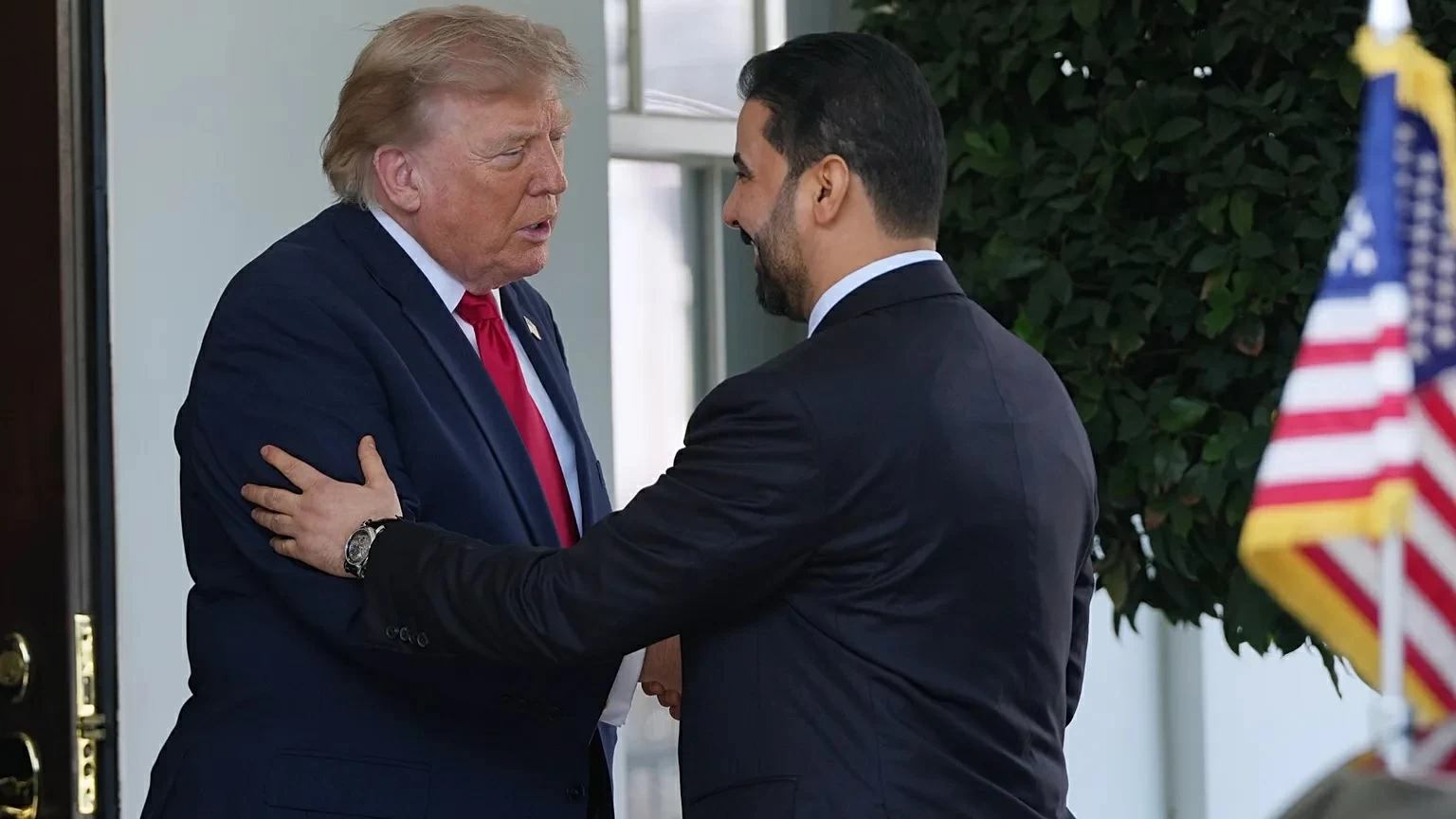
Before the night's bombing began, US President Donald Trump posted on social media, threatening that any Iranian attacks on US military personnel would be avenged “many times over”. On Friday, two US soldiers were killed and a third went missing after an Iranian missile struck a base in Jordan, and another US service member was killed in northern Iraq.
Trump also reiterated earlier warnings that continued Iranian attacks attacks on commercial vessels in the Strait of Hormuz would be met with a stronger response.
Meanwhile, Yemen’s pro-Iranian Houthi militia have declared a blockade on Saudi Arabia, escalating tensions and sparking fears that the Yemeni conflict, which had been relatively quiet for four years, may be about to reignite, threatening shipping in the Red Sea.
The Houthi declaration of a blockade on Saudi Arabia risks reopening a conflict that had been largely dormant for four years, further destabilizing the region. The ongoing attacks on commercial vessels in the Strait of Hormuz, a vital waterway for global oil shipments, could disrupt energy markets and international trade. With both sides vowing to escalate, the situation remains highly precarious, and further diplomatic efforts appear stalled.
Original source: Al Jazeera





Comments (0)
Be the first to comment.