Washington Opens Dossier on Compensation: Will Iran Pay for Its Attacks?

تسعى الإدارة الأميركية لاستخدام الأصول الإيرانية الخاضعة لسيطرتها لتعويض الخسائر التي تلحق بالتجارة البحرية، وسط رفض واعتراض رسمي من طهران.
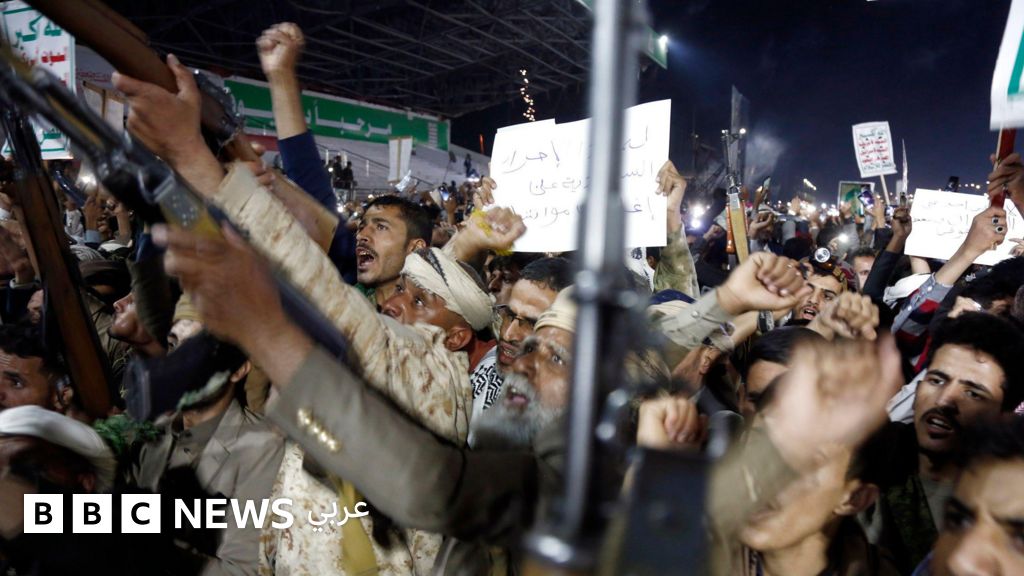
In a new escalation that blends military pressure with economic tools, U.S. President Donald Trump opened a new front in the confrontation with Iran, announcing his intention to use frozen Iranian funds held by the United States to compensate for damages sustained by commercial ships and cargoes from attacks linked to Tehran. Observers see this move as going beyond political threats to an attempt to establish the principle of "holding Iran financially responsible for its actions and those of its proxies."
In interviews with Sky News Arabia, analysts and legal experts say Trump's statements represent an attempt to create a mechanism for economic deterrence parallel to military deterrence, and to establish the principle of holding Iran financially liable for attacks it carries out directly or through affiliated groups, thereby reinforcing the right of victims to compensation for losses to navigation and international trade. However, it also opens debate over the disposition of frozen assets and whether they can be converted into a source of compensation for damages for which no international court rulings have been issued.
What happened?
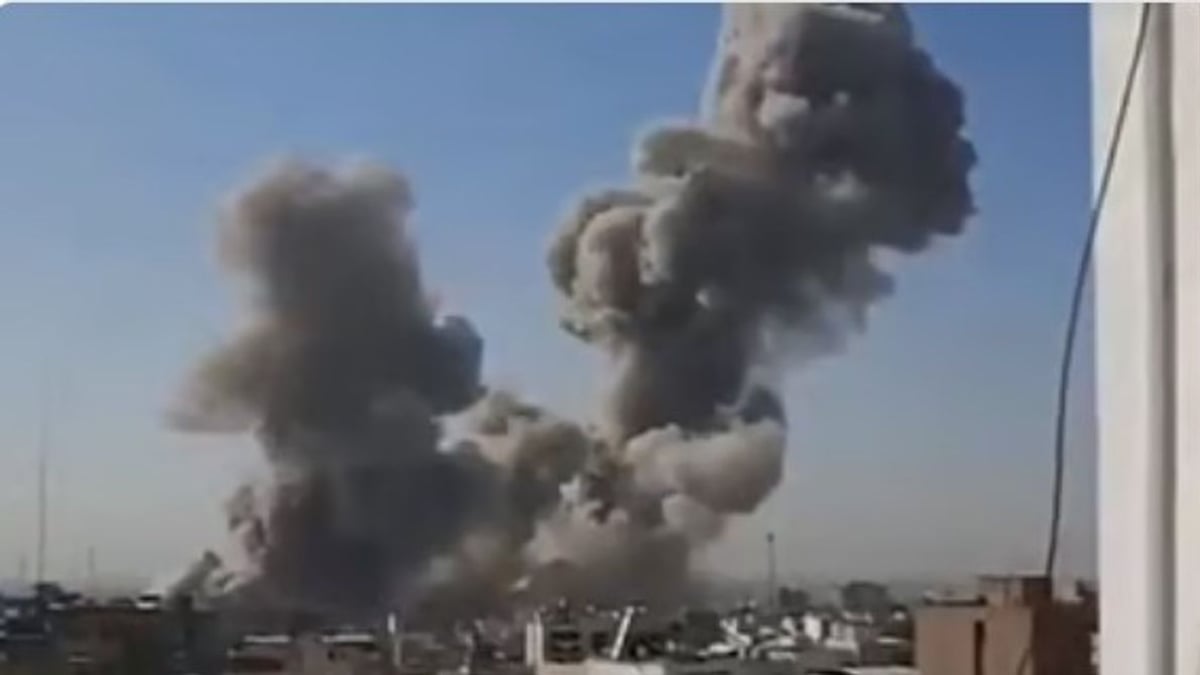
Hours ago, Trump announced that repairs for damage to ships and cargoes would be paid from Iranian funds owned and controlled by the United States, after fresh attacks by the Houthis exerted further pressure on global trade flows and energy supplies.
In a social media post, Trump said: "As of this moment, any and all damages incurred by ships or cargoes, or anything related to them, will be paid from the Iranian funds that the United States owns and controls," adding that the value of these damages "could be very substantial, but that is the fair and equitable thing to do."
However, Iran rejected the U.S. president's statements, describing them as a dangerous precedent in international relations. Iranian Foreign Minister Abbas Araghchi said that seizing another country's assets to settle unrelated future claims "constitutes a dangerous precedent that fuels tension," warning that turning asset seizure into common practice would undermine confidence in the international financial system.
Related News
Multi-track Escalation
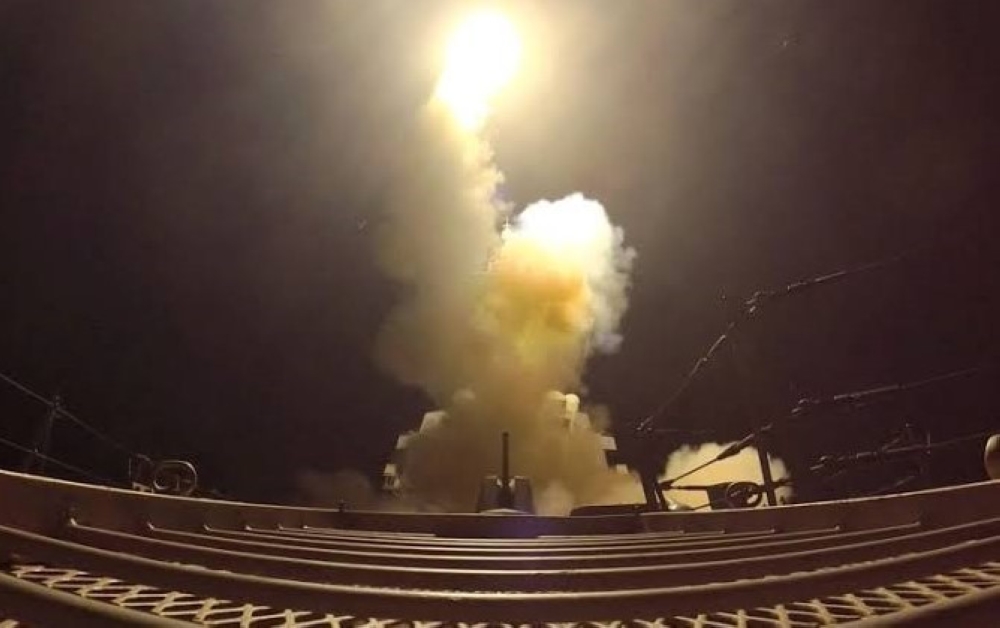
Trump's remarks come in the context of rapid escalation between Washington and Tehran, about two weeks after an exchange of strikes between the two sides, and increasing attacks targeting navigation in the Strait of Hormuz, one of the world's most important energy chokepoints. Trump had previously warned that the United States would retaliate by destroying a "bridge or power plant" inside Iran for every attack targeting a ship in the Strait of Hormuz, whether by missile, drone, or any other means.
The United States holds about $2 billion of frozen Iranian funds on its soil, while much larger sums are held in other countries under U.S. sanctions restrictions. Estimates range between $24 billion and over $100 billion. The release of these funds, along with lifting sanctions and launching a $300 billion investment initiative inside Iran, were among the key provisions of a memorandum of understanding signed by Trump and Iranian President Masoud Pezeshkian in June. However, the return of military confrontation between the two sides froze the understanding track and ended any chance of implementation.
Trump's statements coincide with growing regional calls to hold Iran responsible for human and material losses resulting from attacks that targeted Gulf states and international navigation in recent months. Several countries in the region have demanded tougher stances toward Tehran, including legal accountability and full compensation for damages to infrastructure, civilian facilities, and trade flows, arguing that Iran bears responsibility for supporting and arming militant groups that carried out those attacks.
Allianz SE expects the insurance sector to face significant claims related to ships damaged during Iran's war, having already received claims of this type stemming from the conflict, some of which may involve total losses of vessels. Estimates indicate that ships and cargoes worth a total of $125 billion were stuck as of June 15.
Impact on Tehran
According to Iran affairs researcher Wejdan Abdulrahman, "Such a step could have an impact on the Iranian system, but it will likely not deter it." He argued that "when ships passing through the Strait of Hormuz are targeted by Iran, the U.S. response is often far larger military strikes than just compensating a damaged vessel, yet the Iranian regime continues to target some ships."
However, Wejdan noted in his interview with Sky News Arabia that Washington's move to use frozen Iranian funds to pay compensation for ships "will not be easy legally, because it must go through several mechanisms and procedures."
He added: "Owners of damaged ships seeking compensation must file lawsuits in U.S. courts. Those courts will decide whether they are entitled to compensation and take the necessary legal actions. If the courts issue favorable rulings, then compensation can be paid from frozen Iranian funds."
Wejdan continued: "This is similar to what happened in cases of some families of U.S. soldiers or victims harmed by operations attributed to Iran. They filed lawsuits, and after U.S. court rulings, they received compensation."
He considered that "Trump's statement so far carries a political rather than a legal character, so this file is highly complex and not easy to implement practically."
Ahvaz: Iran's Oil Heart
0 seconds of 0 secondsVolume 90%
Press shift question mark to access a list of keyboard shortcuts
00:00
00:00
00:00
unmute
Reuters: Tehran sent IRGC commanders and equipment to Houthis
0 seconds of 0 secondsVolume 90%
Press shift question mark to access a list of keyboard shortcuts
00:00
00:00
00:00
unmute
Reuters: Tehran sent IRGC commanders and equipment to Houthis
Iranian Strategy
Economic expert Ali Reza Sedaghat, speaking to Sky News Arabia, considered that "The essence of the matter lies not in the technical details of how to use Iranian funds or the mechanisms for paying compensation, but in a deeper political and security reality: Iran's regime has made war, crises, and threats to international navigation a permanent part of its survival strategy."
He pointed out that "Attacks on ships, threats to the Strait of Hormuz, and moving militias in the Red Sea are not isolated incidents, but rather an extension of the nature of a regime that relies on exporting threats abroad."
Sedaghat stressed that "Any measure that imposes a cost on the regime for its aggressions can be beneficial only if it comes within a broader strategy, not by leniency in negotiating with the Iranian regime or accommodating the threats of the Revolutionary Guard, but by deterring all these attempts to prevent the recurrence of threats."
Sedaghat concluded: "The real response lies in dismantling the financial networks of the Iranian regime, holding its arms and fronts accountable, and stopping any dealings that grant it legitimacy or resources."
Original source: Sky News Arabia


Comments (0)
Be the first to comment.