Arab Union for Electricity Holds Its Ninth Conference in Rabat
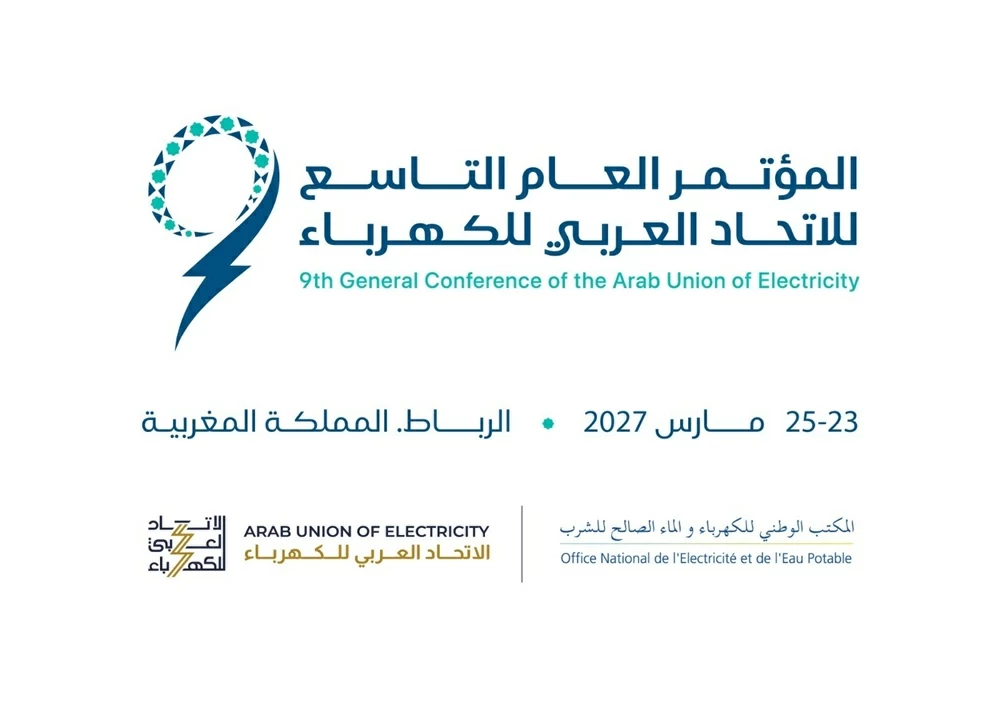
The Arab Union for Electricity announced its ninth general conference in Rabat, Morocco, from March 23 to 25, 2027, with broad participation from experts and decision-makers. The conference will discuss the future of electrical systems in Arab countries, covering resilience, digital transformation, renewable energy integration, storage, and capacity building. It will coincide with an international exhibition. Morocco's Tarik Hamane emphasized the country's leading role in energy transition.
The Arab Union for Electricity announced the organization of its ninth general conference in the city of Rabat, Kingdom of Morocco, from March 23 to 25, 2027, with broad participation from senior experts, specialists, and decision-makers in the energy and electricity sectors at both the Arab and international levels.
The conference serves as a platform for dialogue and the exchange of expertise among various stakeholders in the electricity and energy sector from Arab countries and international partners, to discuss the most prominent challenges facing the sector and to share experiences on key issues shaping the future of electricity networks.
This year's conference is held under the title 'The Future of Electrical Systems in Arab Countries,' addressing a number of strategic axes, including:
- Resilience and safety of electrical systems and security of supplies.
- Digital transformation and the role of artificial intelligence in the electricity sector.
- Readiness of electrical systems to accommodate large energy capacities, especially from renewable sources, and structuring future infrastructure projects.
- Storage solutions and their role in supporting the energy transition.
- Development of competencies and enhancing the role of specialized media in the energy sector.
The conference will coincide with the organization of an international exhibition with the participation of leading companies and industrial institutions specialized in equipment and technologies for the production, transmission, and distribution of electricity, along with providers of services and innovative solutions. This exhibition will be a space to showcase the latest technological innovations, exchange expertise, and enhance opportunities for cooperation and partnerships among various stakeholders in the sector.
On this occasion, the Director General of the National Office for Electricity and Drinking Water in the Kingdom of Morocco, Tarik Hamane, affirmed that Morocco's hosting of this ninth session reflects the pioneering position it has achieved in the fields of energy and energy transition, under the wise leadership of King Mohammed VI. He also highlighted that hosting this event underscores the pivotal role Morocco plays as a bridge for energy cooperation between the Arab world, Africa, and Europe, and reflects its firm commitment to enhancing regional and international cooperation.
Hamane added that this conference embodies the shared will to keep pace with the profound transformations witnessed by the electricity sector, through consolidating regional cooperation, intensifying the exchange of expertise, encouraging innovation, and establishing effective partnerships, which contribute to accelerating the integration of renewable energies, digitizing electrical networks, and enhancing storage and resilience solutions. He also emphasized the importance of encouraging the exchange of expertise, innovation, and partnerships for more resilient, effective, and sustainable electrical systems.
The Arab Union for Electricity is one of the most prominent Arab organizations specialized in the electricity and energy sectors, as it includes stakeholders from the private and public sectors (institutions, authorities, electricity companies, universities, and organizations representing 19 Arab countries).
The Arab Union for Electricity announced the organization of its ninth general conference in Rabat, Morocco, during the period from March 23 to 25, 2027, with wide participation from senior experts, specialists, and decision-makers in the energy and electricity sectors at both the Arab and international levels.
The conference serves as a platform for dialogue and the exchange of experiences among various stakeholders in the electricity and energy sector from Arab countries and international partners, to discuss the main challenges facing the sector and share expertise on key issues that shape the future of electricity networks.
This year's conference will be held under the title "The Future of Electrical Systems in Arab Countries," addressing several strategic axes, including:
Original source: Okaz
Comments (0)
Be the first to comment.