Bank of England Governor: US Tensions
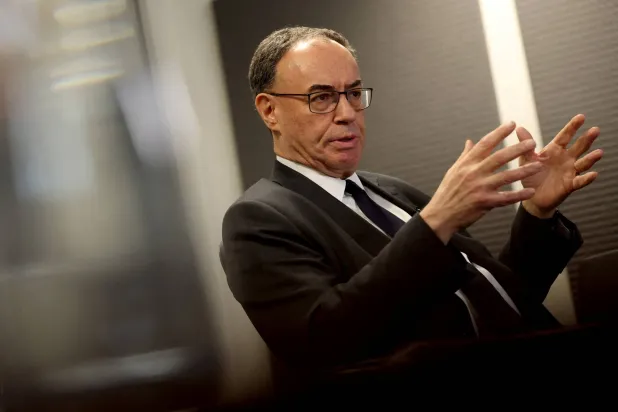
Andrew Bailey, Governor of the Bank of England, said on Tuesday that he is concerned about the return of tensions between the United States and Iran in recent days, but he clarified that the repercussions have not yet had a tangible impact on inflation expectations in the United Kingdom.
Bailey had voted last month, alongside a majority of 7-2 on the bank's Monetary Policy Committee, in favor of keeping interest rates unchanged, noting at the time that the risks of war with Iran fell under the less likely scenarios considered by the central bank, according to Reuters.
Bailey told the parliamentary Treasury Committee: 'I would like to add an important warning, which is that the situation remains unstable and the ceasefire is fragile.'
He added: 'I think my current position is that instability has already materialized, and this confirms that this process will remain unstable for the foreseeable future.'
Growth remains the biggest challenge
The Governor of the Bank of England noted that economic data so far does not show a significant impact of the conflict on inflation in Britain, saying: 'We still see relatively limited indications of these developments passing through to consumer prices in the United Kingdom.'
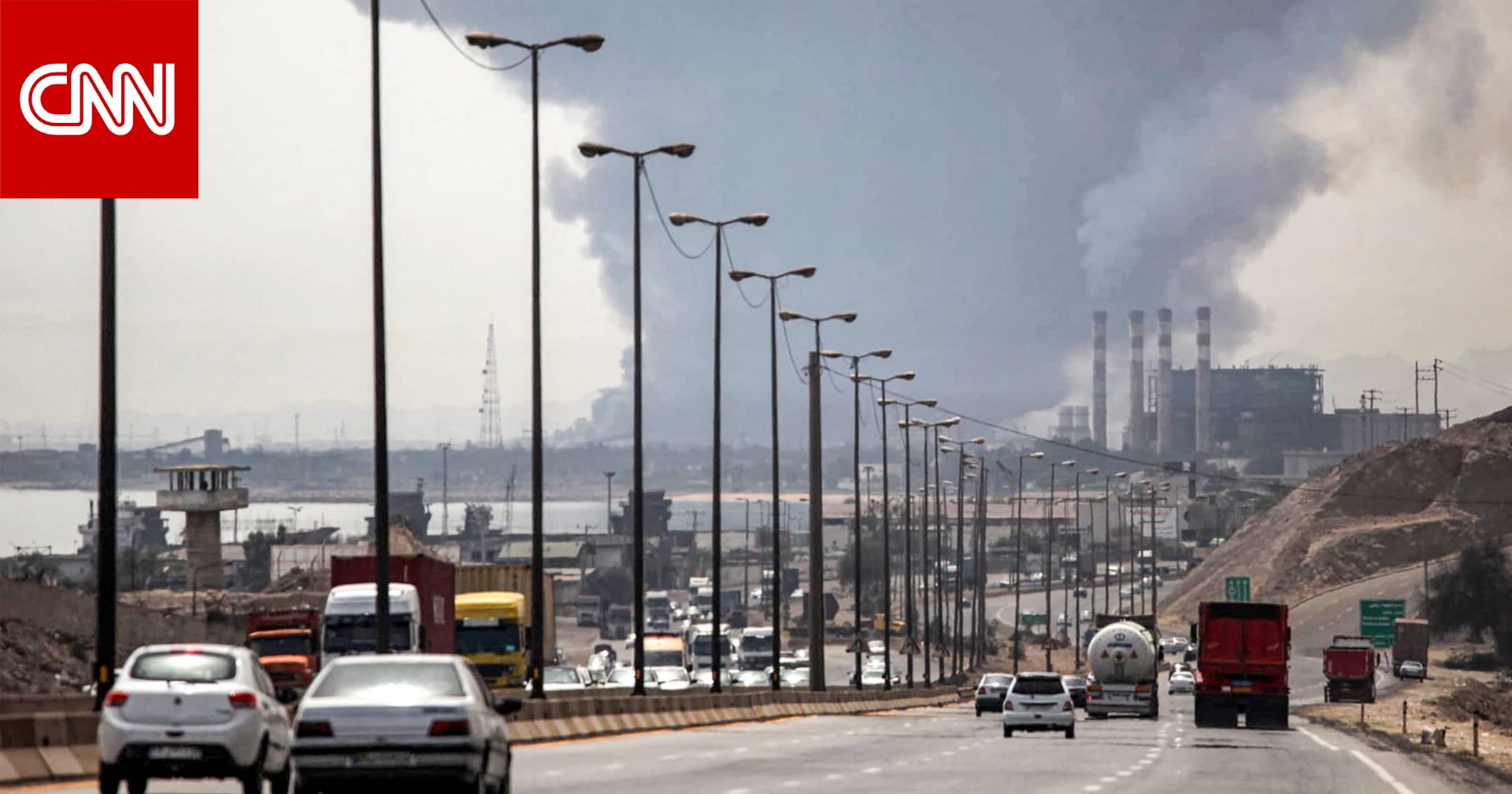
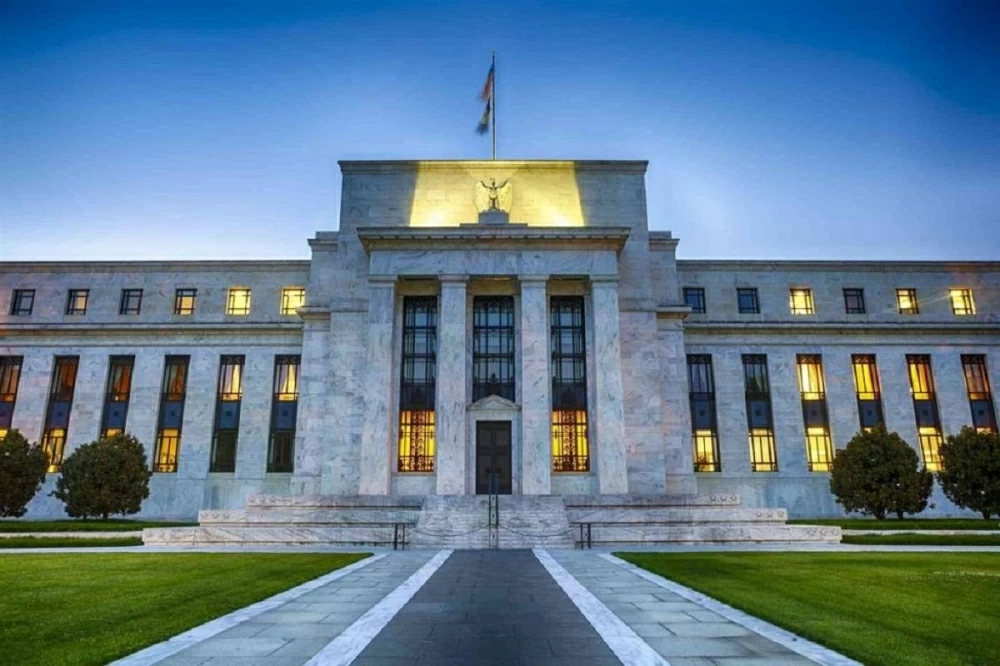
British government bond yields rose earlier on Tuesday to their highest levels since last May, while investors increased their bets on the likelihood of the Bank of England raising interest rates, after US-Iran tensions drove oil prices up, alongside signals from a Federal Reserve official that borrowing costs could rise soon.
Regarding the impact of anticipated political changes in Britain on financial stability, Bailey refrained from commenting on political affairs, but he affirmed that the outlook for the British economy is based on the government's fiscal framework, along with the monetary policy set by the Bank of England.
This comes as Andy Burnham, the former mayor of Manchester and candidate to take over as prime minister from Keir Starmer next week, pledged to adhere to government fiscal rules, despite some investors' concerns about his inclination toward increasing public spending.
Bailey stressed that boosting economic growth is Britain's main priority, saying: 'The most important issue is the growth of the economy. And I think we can do our utmost to achieve financial stability.'
During the hearing, Bailey defended the Bank of England's approach on a number of issues that are under wide scrutiny, including bank capital requirements, leverage ratios, and the use of artificial intelligence in the financial sector.
In response to calls from the banking sector to ease capital requirements in order to support growth, Bailey said: 'Memories of the financial crisis are now fading... but we will not have a strong economy without financial stability.'
He also warned of the risks posed by artificial intelligence to the banking sector, stressing that the Bank of England is 'actively engaged' with banks to enhance their cyber defense capabilities.
Original source: Asharq Al-Awsat




Comments (0)
Be the first to comment.