Billions Behind the Green Rectangle: What Did Arab Teams Gain from the World Cup?

An analysis of the economic gains for the eight Arab teams at the 2026 World Cup, including direct prizes, commercial revenues, and indirect benefits such as player market value increases.
By: Mahmoud Laouta
To discuss in general the overall outcome of the eight Arab teams' participation in the 2026 World Cup, this article evaluates those teams by dividing them into categories, with the final picture as follows: First, a team that achieved a global achievement: Morocco. Second, two teams that had a successful tournament: Egypt and Saudi Arabia. Third, two teams that delivered honorable performances: Iraq and Jordan. Fourth, three teams that fell short of expectations: Algeria, Qatar, and Tunisia.
This assessment shows that Arab football now has a broader base of teams capable of competing, but the real challenge lies in turning honorable participations into sustainable achievements in future editions.
Participation in the World Cup is no longer just a sporting achievement; it has become a comprehensive economic investment, as the tournament represents the largest standalone sporting event in the world in terms of commercial revenues, broadcasting rights, sponsorship, and ticket sales.
For the eight Arab teams, participation was not merely a competition for the title, but an opportunity to achieve direct and indirect financial returns, enhance the marketing value of players, and attract new investments to football.
First: Prize Money... The Largest Source of Income
The prizes awarded by the International Federation of Association Football (FIFA) represent the first direct financial source for the participating national associations.
In the 2026 edition, the total value of tournament prizes increased compared to previous editions, with each team receiving a financial compensation for participation, plus additional bonuses linked to progress in the knockout stages.
The general estimate of Arab returns by number of Arab teams per stage: three in the group stage, three in the Round of 32, one in the Round of 16, and one in the quarter-finals.
Based on the adopted prize structure, the Arab teams collectively earned tens of millions of dollars from direct prizes, in addition to other returns related to sponsorship and local broadcasting rights.
Second: Economic Value Does Not Stop at Prizes
Economic studies of major tournaments confirm that every team participating in the World Cup achieves three types of returns:
First: Prize money, which goes directly to the national association.
Second: Commercial revenues, including sponsorship contracts, shirt sales, advertising campaigns, government bonuses, and rights to use the team's brand.
Third: Indirect returns, including an increase in the market value of players, player transfers to bigger clubs, increased investment in academies, boosting sports tourism, and raising the commercial value of the local league.
Morocco... The Biggest Economic Winner
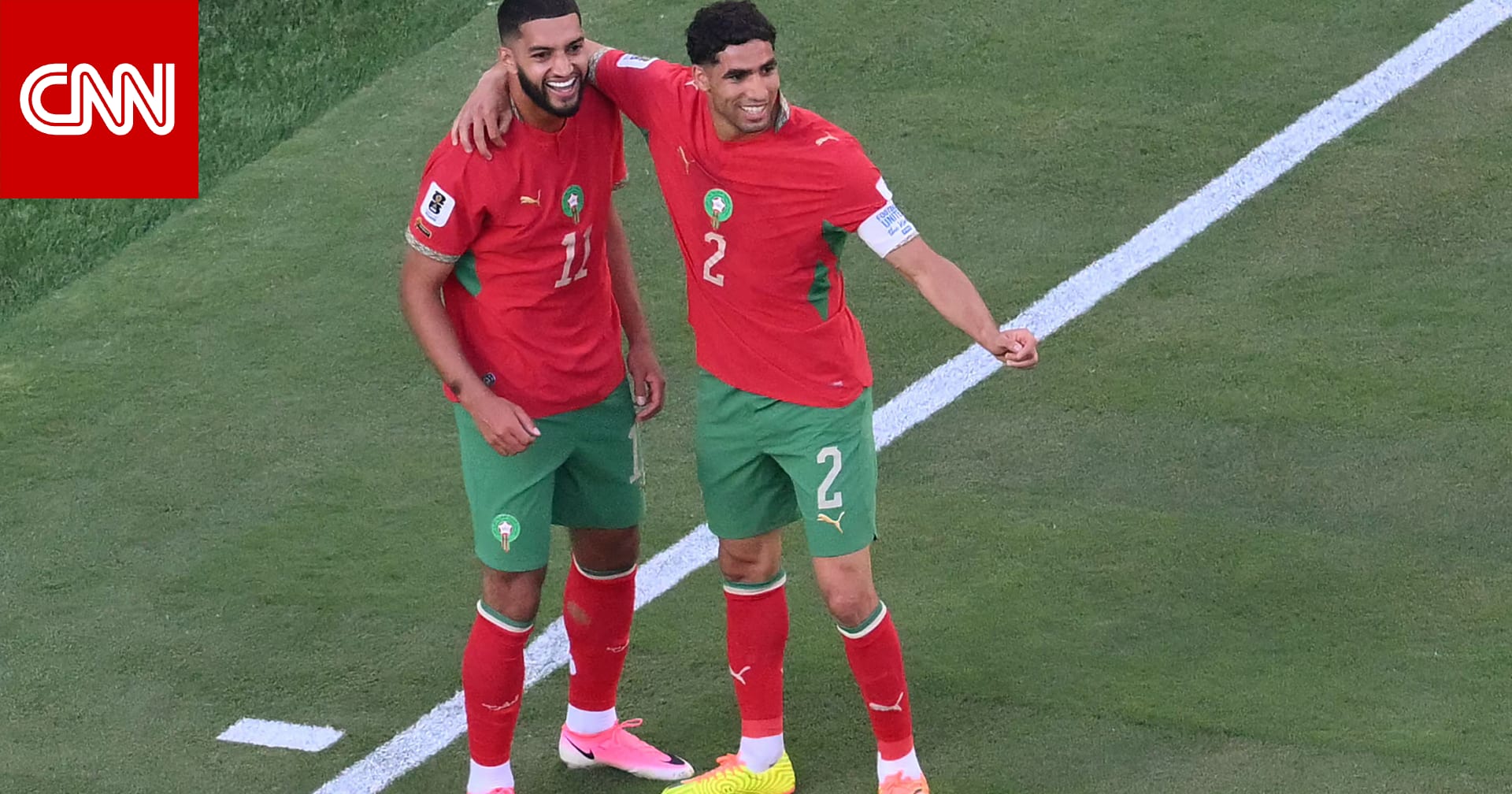
This is due to several factors, including reaching the quarter-finals, sustained global interest in players, increased market value for a number of stars, enhancing the attractiveness of the Moroccan league and sponsoring companies, and expanding the fan base globally. These results are expected to reflect on sponsorship contracts and Moroccan football investments in the coming years.
Saudi Arabia... The Strategic Beneficiary
Although the Saudi team did not advance far in the tournament, Saudi Arabia gained substantial strategic benefits. Every match the team played served as an international platform to promote the Saudi sports project, ahead of hosting the 2034 World Cup. Among the most prominent economic gains are enhancing the brand of Saudi football, increasing global interest in the Saudi league, raising the media value of the team, supporting the sports investment file, and stimulating sponsorship contracts.
Egypt... Rising Market Value
The tournament was an important opportunity to showcase a number of Egyptian players to major European clubs. Experiences from previous editions indicate that the World Cup often serves as a turning point in many players' careers, reflected in transfer fees, professional contracts, and revenues generated by clubs and the local association.
Iraq and Jordan... Gains Beyond Results
Early exit may be disappointing for fans, but economically it represents an important starting point. Participation in the World Cup provides unprecedented media exposure, interest from sponsors, opportunities for infrastructure development, and increased investment in youth categories.
Algeria, Qatar, and Tunisia
Despite not achieving the desired results, mere participation in the World Cup contributed to enhancing commercial revenues, increasing audience followership, raising the marketing value of some players, and expanding the base of commercial partners.
A Transfer Market That May Benefit from Achievements
The summer transfer window is expected to see interest in a number of Arab players who stood out in the tournament, which will be reflected in higher transfer fees, increased club revenues, improved marketing ranking of Arab leagues, and attracting new investors to clubs.
Were the Arab Matches Profitable for FIFA?
The answer is yes. The matches involving Arab teams, especially those of Morocco, Saudi Arabia, and Egypt, achieved high viewership ratings in the Middle East and North Africa region, a media and advertising market of great value, which boosted FIFA's commercial returns and its partners. However, it is important to note that FIFA does not yet publish detailed revenue data for each match, so it is not possible to assert a precise financial value for each game, but it can be analyzed through attendance rates, ticket prices, and overall tournament revenues.
Economic Reading
If sporting success is measured by the number of victories, then economic success is measured by the value that the team adds to football in its country. From this perspective, it can be said that the Arab teams emerged from the 2026 World Cup with economic gains that go beyond match results, especially in the areas of sports investment, sponsorship, player marketing, and infrastructure development. These elements will have an extended impact until the 2030 World Cup, and then the 2034 World Cup in Saudi Arabia.
Journalist in Al-Eqtisadiah newspaper
Original source: Aleqtisadiah

Comments (0)
Be the first to comment.