How Did Iran Exploit the Truce to Export Oil?
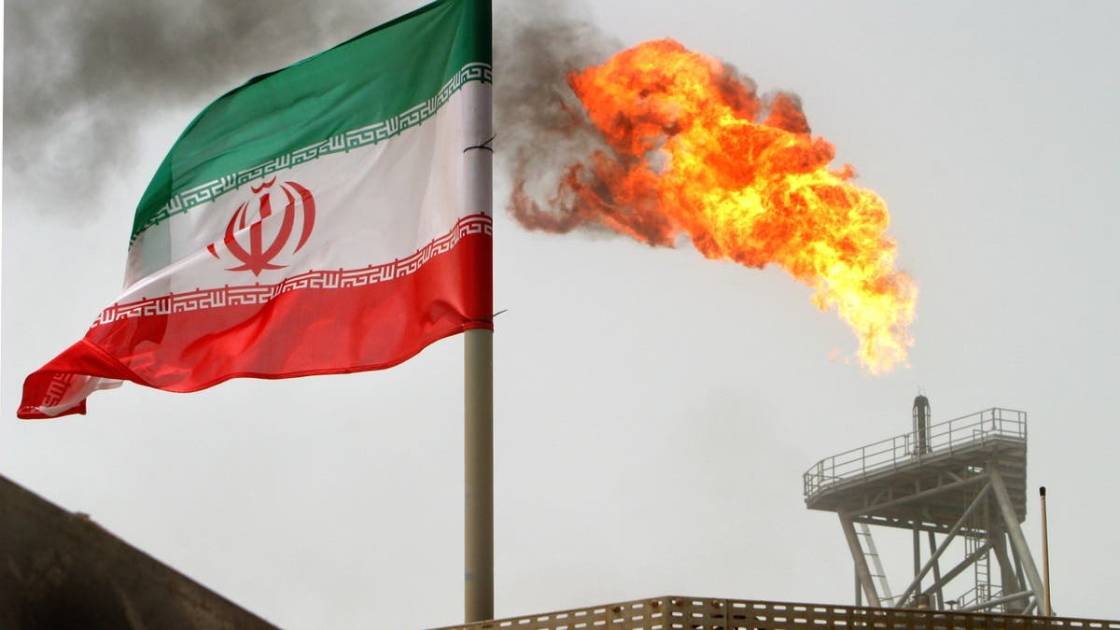
Analysts state that Tehran continued to rely on its standard methods for circumventing U.S. sanctions by sending shipments to the 'Eastern Outer Port Limits' off Malaysian territorial waters, a midpoint between Iran and China, effectively utilizing a temporary lull in maritime blockades to generate billions in revenue.
Analysts say that Tehran continued to rely on its usual methods to circumvent U.S. sanctions, sending its shipments to an area known as the 'Eastern Outer Port Limits' located outside Malaysian territorial waters, a midpoint roughly halfway along the maritime route between Iran and China.
Ship traffic through the Strait of Hormuz continues to face a significant decline following the resumption of Iranian targeting and the United States' reinstatement of a maritime blockade on Iran-linked shipping.
According to MarineTraffic data, seven ships crossed the strait in the last 24 hours, while three ships passed on Thursday—the lowest daily figure since last May. No crude oil or liquefied natural gas (LNG) tankers passed during this period.
This is reflected in rising energy prices as a result of the increasing pressures facing ships in one of the world's busiest maritime corridors.
Vessel movement through the Strait of Hormuz reached 126 ships per day before the war in the Mediterranean, while the United States and Iran have intensified their attacks since the collapse of a temporary ceasefire agreement days ago, raising the prospect of a return to full-scale war.
Both parties have also targeted maritime navigation; the United States stated it is implementing a naval blockade, while Iran claimed it targeted vessels that violated its navigation rules in the Strait of Hormuz.
Iran exploits the truce
Furthermore, media reports revealed that Iran rushed to exploit the temporary truce during which the United States suspended its blockade on Iranian oil exports, in order to export massive quantities of crude to Asian markets—a move that provided Tehran with billions of dollars before U.S. restrictions returned.
After the United States lifted the blockade in mid-June, nearly 20 Iranian oil tankers carrying approximately 70 million barrels of oil sailed to Asia.
Iran shipped oil during a period of about a month before the United States reimposed its blockade on the Strait of Hormuz, generating revenues estimated at about $6 billion.
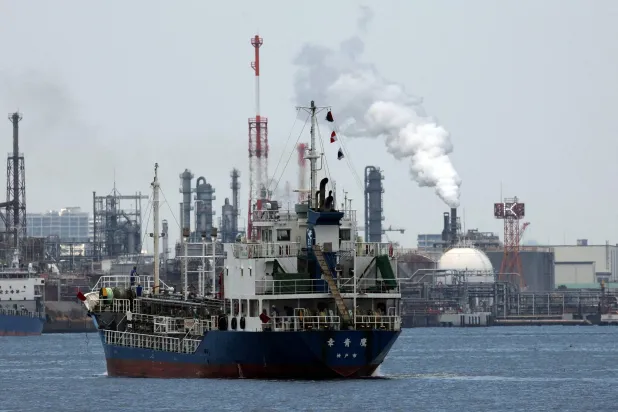
Iran uses ship-to-ship oil transfer operations off the coast of Malaysia to hide the source of the oil before it reaches small Chinese refineries, thereby bypassing U.S. sanctions.
Since late June, Iranian oil tankers have been arriving in the waters off the east coast of Malaysia, loaded with massive shipments of crude oil, after the United States lifted the naval blockade on Iranian vessels for nearly a month.
Several tankers arrived in succession, including the Diona, Hero 2, and Sonia 1, before being joined by the tanker Stream on July 13th, while analysts estimate that the final destination for most of these shipments is China.
According to independent estimates by United Against Nuclear Iran (UANI), a U.S.-based research organization that monitors sanctions on Iran, along with energy market analysts, Iran exported about 70 million barrels of oil between mid-June and mid-July, valued at between $5 billion and $6 billion.
These revenues provide a vital financial cushion for the Iranian government, especially after the United States reimposed the blockade on the Strait of Hormuz and tightened restrictions on Iranian oil exports.
Chinese 'teapots'
Analysts say that Tehran continued to rely on its usual methods to circumvent U.S. sanctions, as it sends its shipments to an area known as the 'Eastern Outer Port Limits' located outside Malaysian territorial waters, a midpoint roughly halfway along the maritime route between Iran and China.
In that area, oil shipments are transferred from Iranian tankers to other tankers via large hoses on the open sea, in operations known as 'ship-to-ship transfers,' with the aim of hiding the true source of the oil and making its path difficult to track.
Read more:
America cancels a license authorizing the sale of Iranian oil
America considers lifting sanctions on Chinese companies that buy Iranian oil
The accumulation of Iranian oil reveals Tehran's dilemma under the blockade
These shipments usually head afterward to private Chinese refineries, known as 'teapot refineries,' which purchase Iranian oil at discounted prices compared to global market rates, making it more complicated for U.S. authorities to track these operations.
Specialists believe that the notable increase in the number of Iranian tankers that reached Asian waters during July means that Tehran will continue to rake in billions of dollars in oil revenues in the coming months, even with the return of sanctions.
Charlie Brown, an energy analyst at United Against Nuclear Iran in Singapore, told The Wall Street Journal that a continuous, uninterrupted U.S. blockade would have tightened the noose on Iranian exports during this period.
He added that Iran took advantage of the lifting of the blockade quickly, pumping large additional quantities of oil to the markets, which provided it with a new financial stockpile that mitigates the effects of the current restrictions.
Following the signing of the temporary agreement between the United States and Iran on June 17th, which included the suspension of the maritime blockade, tankers loaded with oil quickly set sail from the Iranian port of Chabahar toward Asia.
During the second half of June alone, Iran exported about 50 million barrels of oil ultimately bound for China, a quantity roughly equivalent to its average monthly exports to the Chinese market before the war broke out.
Tehran and the use of oil revenues
For his part, Jonathan Panikoff, a Middle East specialist at the Atlantic Council, told the newspaper that the Iranian economy is going through its worst situation since the Iranian Revolution, and therefore every additional dollar in revenue is of great importance to the government.
He added that the Iranian regime will focus on employing these revenues to serve its strategic priorities, primarily continuing to confront U.S. pressures, in addition to supporting its ability to withstand sanctions and escalating regional tensions.
Original source: Independent Arabia



Comments (0)
Be the first to comment.