Iran Negotiations: Mediators Propose 10-Day 'Temporary Truce' to Revive 'Memorandum of Understanding'

تتوسط باكستان وقطر في محاولة لتهدئة التصعيد بين واشنطن وطهران بعد انهيار اتفاق سابق، مع اقتراح هدنة لمدة 10 أيام تهدف إلى إحياء المفاوضات.
As clashes and mutual strikes between the United States and Iran intensify, mediators are stepping up efforts to calm and de-escalate tensions. Iranian media reported that Pakistan and Qatar proposed a return to the situation before the renewed escalation on July 9 as a first step toward resuming negotiations, while Reuters quoted a senior Iranian official saying that mediators presented Tehran with a new proposal for a 10-day 'temporary truce.'
The Iranian Students News Agency (ISNA) reported that Pakistan and Qatar presented their joint proposal on Monday, while Iranian Foreign Ministry spokesman Esmail Baqaei referred to 'some ideas that Tehran is working on,' according to the agency.
Baqaei stated during a press conference on Monday that mediators had conveyed messages to Tehran over the past few days, but he did not specify the content of these messages.
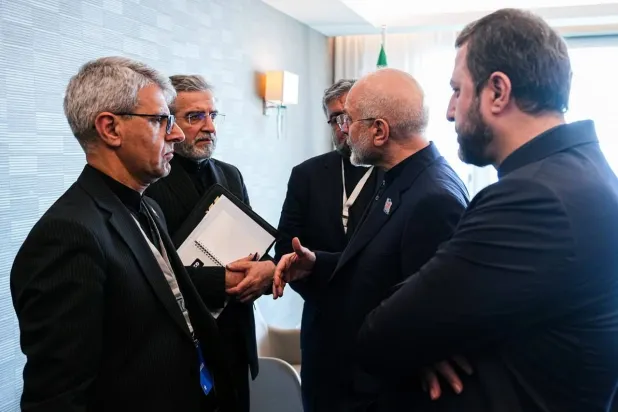
Iranian Interior Minister Eskandar Momeni arrived in Islamabad earlier Monday, where he is meeting with Pakistani Prime Minister Shehbaz Sharif, Pakistani Army Chief General Asim Munir, and Interior Minister Mohsin Naqvi, who are leading Pakistan's mediation efforts in the negotiations.
According to Pakistani officials familiar with the details of the visit, speaking to Asharq, the Iranian interior minister 'continues his engagement in Iran's diplomatic and negotiating efforts.' His participation in high-level consultations has made him 'an influential figure in Tehran's regional diplomacy, lending additional significance to his visit to Pakistan.'
The officials considered that 'this urgent visit indicates Iran's desire for a ceasefire.'
Attacks Escalate
US-Iranian attacks have escalated since last week after the collapse of the 'Memorandum of Understanding' signed last month with the aim of permanently ending the war, while navigation in the Strait of Hormuz has significantly declined.
The US Central Command said on Monday that it launched a ninth wave of strikes on Iran, targeting 'Iranian military command centers, air defense and coastal surveillance sites, naval capabilities, missile and drone launch sites, and communication networks, to continue reducing Iran's ability to attack commercial ships and civilian sailors transiting the Strait of Hormuz.'
Iran did not immediately announce the extent of losses, while state media reported hearing explosions in the south and northwest of the country.
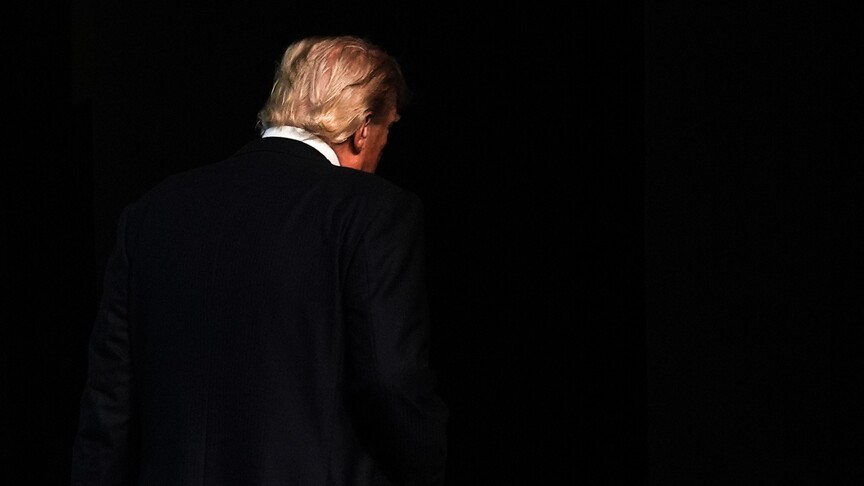
US President Donald Trump told reporters Sunday evening: 'We hit them very hard again tonight, and we did that in honor of the fallen soldiers.'
Trump added that Iran 'has suffered severe damage and lost almost everything militarily... It has little left. It has some missiles and drones and limited manufacturing capability.'
The US military stated that one of its soldiers died in Iraq on Saturday while carrying out a 'controlled detonation' of an Iranian drone. This brings the number of US military personnel killed since the start of the Iran war to 17.
Negotiation Messages
Washington earlier affirmed through US Secretary of State Marco Rubio that 'the door to negotiations remains open,' while Tehran considers that 'current conditions are unfavorable' for negotiations.
The Iranian Foreign Ministry spokesman added that 'Tehran will continue the paths of war and diplomacy in a way that serves its national interests,' in response to a question about whether the door to dialogue with the United States had closed. He continued: 'I reject the binary of either war or diplomacy. Diplomacy is a tool through which we seek to achieve our national interests, just like war.'
US Secretary of State Marco Rubio said Sunday evening that the United States remains open to a diplomatic solution in Iran. He added in remarks to reporters: 'If that door opens, we will welcome it,' noting that Iran 'is still sending signals that it wants to talk and negotiate.' Rubio considered that the US attacks come 'in response to Iran's behavior, which is launching missiles and drones against ships' in the Strait of Hormuz.
Original source: Asharq News


Comments (0)
Be the first to comment.