Iran's Attacks on Tankers Disrupt New Pattern in Oil Shipping Through Hormuz

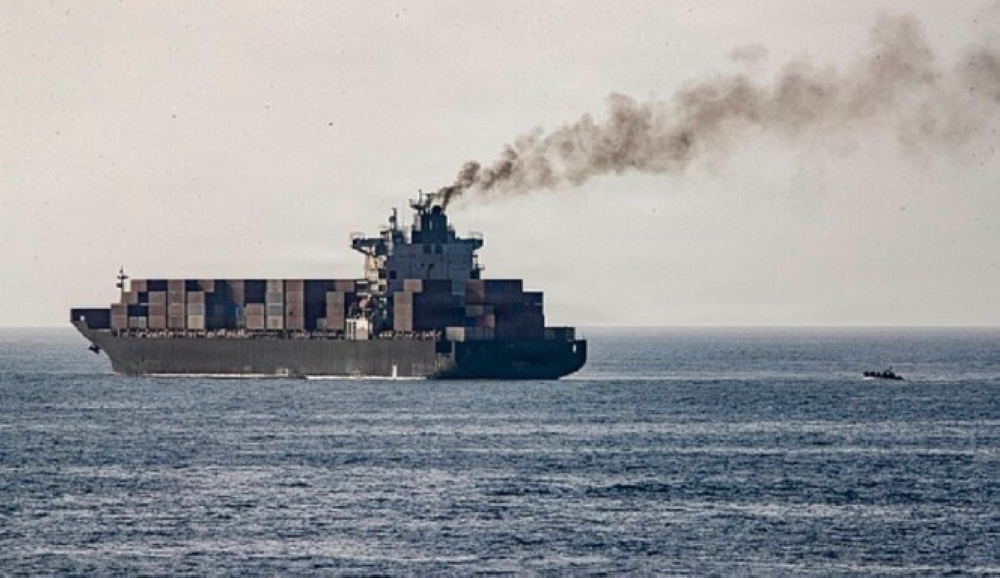
Iran's recent attacks on oil tankers threaten an innovative shipping pattern that has expanded rapidly in recent months, becoming a key means of exporting crude from the Arabian Gulf, known as "shuttle voyages."
This method has become a major lifeline for countries like the United Arab Emirates during the war, and any potential halt in activity may not last long, despite the killing of two sailors on Tuesday, due to attractive charter rates offered. A person familiar with the UAE's approach, which has taken the lead in shuttle operations, said the emirate is committed to continuing these operations and has not changed its policies, but will assess each transit voyage individually.
Nevertheless, at least one shipowner involved in these activities said he would not cross the Strait of Hormuz, while another owner is waiting for conditions to improve before making a final decision on transit, according to their accounts, on condition of anonymity.
Any slowdown in these operations represents a significant development for the global oil market, as millions of barrels departed daily via a route along the coast of Oman, before being transferred to other ships outside the Strait of Hormuz. Shuttle voyages contributed to rebalancing global supplies even before the peace agreement between the US and Iran in mid-June, while regional security tensions led to a sharp decline in the number of ships transiting the strait with tracking signals active.
Oil prices rose more than 10% this week amid fears of renewed disruption in the waterway, but the flow of crude out of Hormuz in recent weeks has contributed to a margin of supply reserves. A large proportion of these volumes crossed with satellite signals turned off, making it difficult to accurately monitor flow changes.
As tensions escalate, shipowners face reluctance from some crews to transit and rising insurance costs day by day. A person familiar with the matter said that a number of crew members have refused to pass in recent days, requiring substitutes to be provided before ships cross the strait. The top UN official responsible for maritime shipping also warned shipowners against transit, citing the risk of attacks.
Arsenio Dominguez, Secretary-General of the International Maritime Organization, said in an interview with Bloomberg Radio: 'I will continue to emphasize the need to respect international law, and that states adhere to it, and that companies should not take risks, at this stage and especially amid volatility, by transiting through Hormuz.'
Decisions to continue or suspend transit will particularly affect the UAE, whose production rose to a record level last month, according to the International Energy Agency.
This increase is partly due to millions of barrels crossing the Strait of Hormuz daily on ships owned by units of the state-owned oil giant Abu Dhabi National Oil Company (ADNOC) or the South Korean group S-Oil. Ships participating in this program were attacked on Tuesday, highlighting these flows again.
Thu, 16, 2026
The latest position of S-Oil regarding transit operations is unclear, despite its continued search on Wednesday for cargoes for at least one vessel inside the Arabian Gulf, according to people familiar with purchasing operations. However, that does not necessarily mean the company is ready to cross the waterway.
ADNOC and S-Oil did not respond to requests for comment sent outside official working hours.
Rising Marine Insurance Costs
Brokers in the London insurance market, the world's main center for marine insurance policies required for ships entering war zones like Hormuz, reported a significant decline in the number of inquiries regarding the provision of insurance coverage.
They added that fewer insurance companies are willing to provide coverage, although it is still available at high prices. Some insurance offers made to shipowners amounted to about 7% of the tanker's value, and sometimes exceeded that, according to people familiar with the matter. This equates to $7 million for an oil tanker worth $100 million, although owners can often get discounts on quoted prices if they have a clean claims record.
Simon Lockwood, head of the UK shipowner sector at brokerage Willis Towers Watson, said: 'Owners and charterers avoid exposing crews and vessels to risk. But insurance coverage remains available for a price. The harsh reality is that it has become theoretical, as only a very limited number of ships have moved since the renewed escalation.'
Hormuz Risks Hinder Return of Ships
But the key question remains: How long will this slowdown continue?
Crude buyers in Asia say they have not yet observed a sharp decline in the availability of supplies from the Middle East. This resilience may be due to ample supply in recent weeks, meaning that any reduction in flows will take some time to impact markets.
Sun, 12, 2026
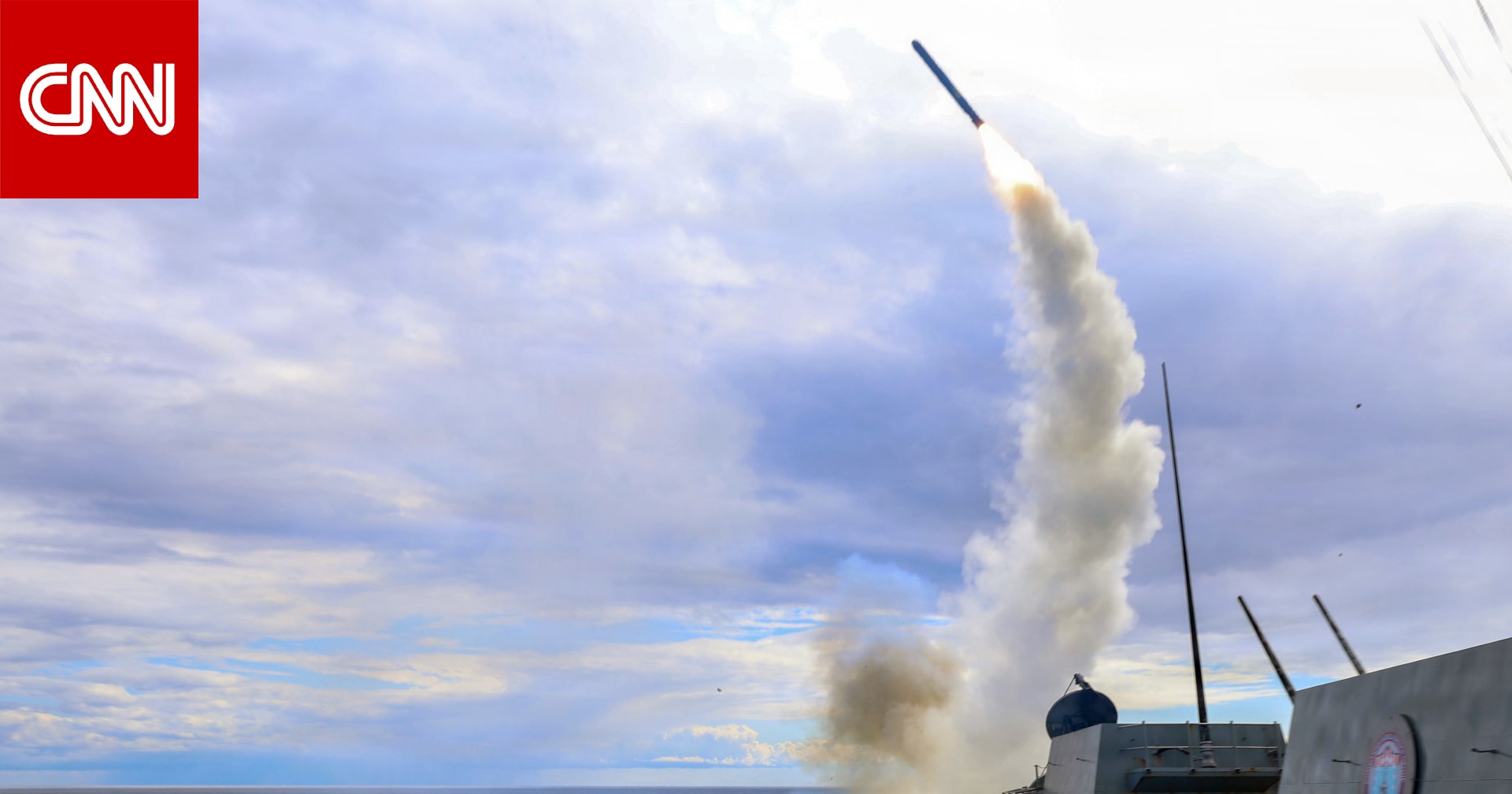
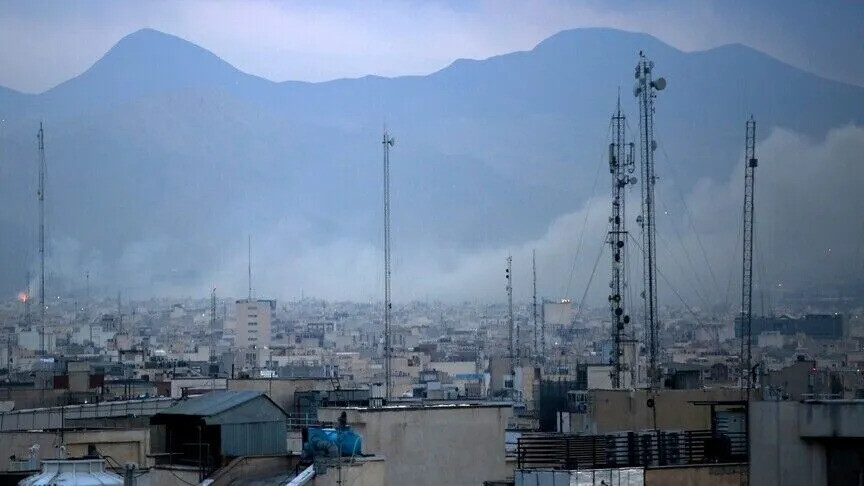
The United States carried out more strikes on Wednesday morning, aiming to weaken Iran's ability to attack commercial vessels in the Strait of Hormuz. A decline in the frequency of attacks may encourage shipowners to resume transit, but the security situation in the strait is likely to remain highly volatile.
Analysts at the Institute for the Study of War, a Washington-based research center, wrote in a memo: 'Iran does not need significant capabilities to disrupt navigation in the strait. Ship movements through the strait depend on risk assessments made by ship captains and shipping companies, entities that generally tend to avoid risk.'
Original source: Aleqtisadiah


Comments (0)
Be the first to comment.