Trump threatens more attacks, Iran responds: 'We will destroy all infrastructure in the region'
New US strikes and an Iranian response widen the confrontation in the region, as the dispute over the Strait of Hormuz threatens the memorandum of understanding between Washington and Tehran. Can the door of negotiation withstand the escalation?
Trump threatens more attacks, Iran responds: 'We will destroy all infrastructure in the region'
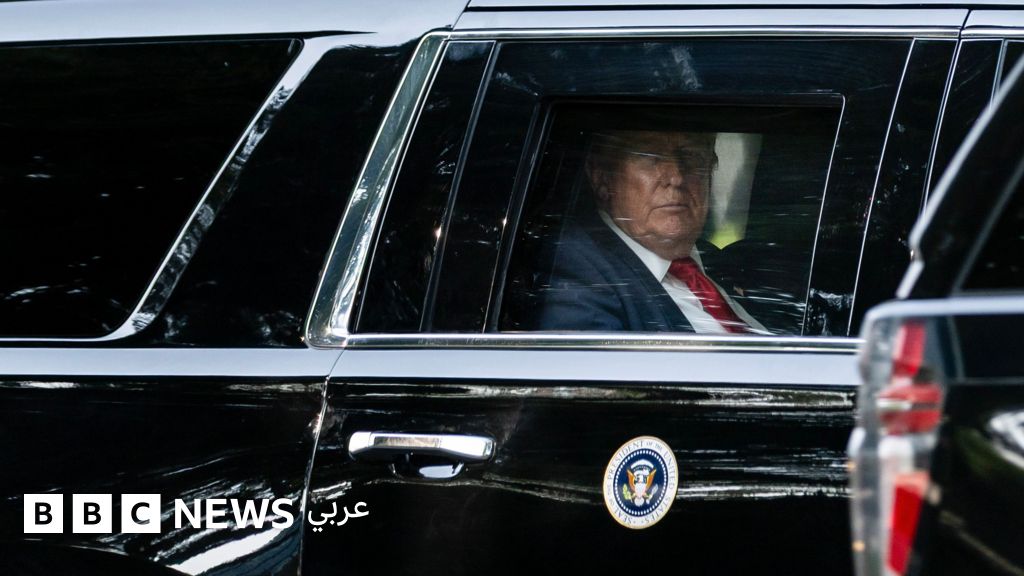
Image caption, US President Donald Trump warned Iran of more strikes if it does not return to talks next week
Published 6 minutes ago
Reading time: 4 minutes
The escalation between the United States and Iran entered a new phase, after Washington carried out two waves of strikes on Iranian military sites, and Tehran responded with attacks it said targeted US positions in several countries in the region, on the fifth day of renewed hostilities between the two countries.
The confrontation this time centers on the Strait of Hormuz, after the United States reimposed a blockade on Iranian ports, which had been lifted under a memorandum of understanding reached by the two sides last month aimed at ending the war.
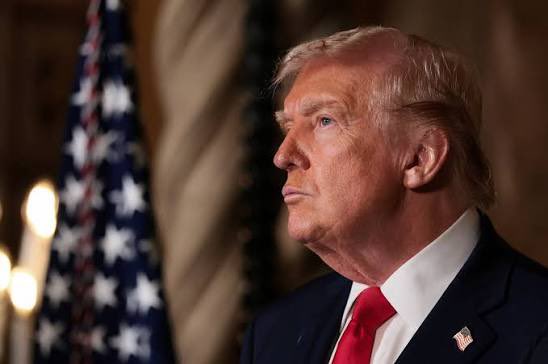
Alongside the military operations, US President Donald Trump escalated his rhetoric toward Iran, warning of targeting bridges and power plants if Tehran does not return to talks next week.
Does the resumption of military confrontations between Washington and Tehran portend an all-out war?
Activation of air defenses in Tehran and explosions in the north and west of the country, as Trump says 'Iran will be defeated soon'
When asked on Wednesday evening whether he would give Iran a deadline before carrying out his threat, he said he does not like setting deadlines, adding that Iranians 'know what awaits them' and that they must 'behave better'.
Later, during a defense summit, Trump said Iran is 'not happy now' and wants to reach a settlement, adding that Washington will decide whether to accept that or 'end the matter'.
Tehran threatened on Thursday to target infrastructure in the region if the United States carries out its threats.
The Joint Command of the Iranian Armed Forces said in response to the US president's threats: 'All infrastructure in the region will be destroyed by steel strikes from the mighty Iranian armed forces, leaving no trace, as if it never existed.'
Previous threats by Trump in April to bomb Iranian civilian facilities had drawn criticism from UN High Commissioner for Human Rights Volker Türk, who said at the time that carrying them out would constitute a war crime.
Skip most read and continue reading
'How Israel recruited former Iranian President Ahmadinejad?' - New York Times
Activation of air defenses in Tehran and explosions in the north and west of the country, as Trump says 'Iran will be defeated soon'
Messi leads Argentina to World Cup final and faces Spain in 'unprecedented' final match
Why do mosquitoes bite some people more than others?
Mutual strikes
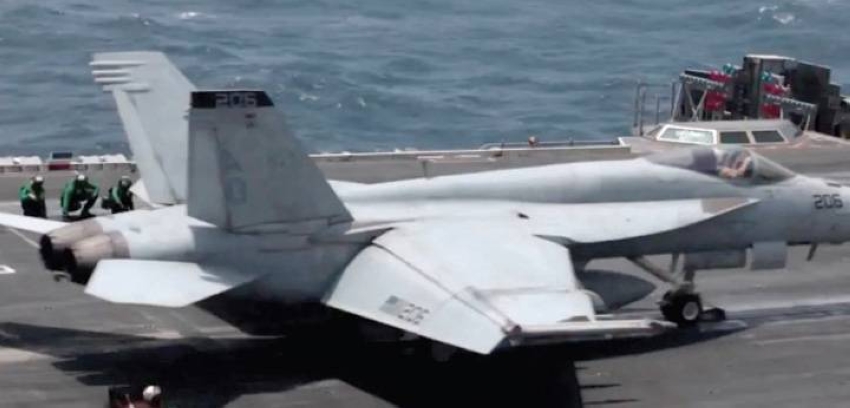
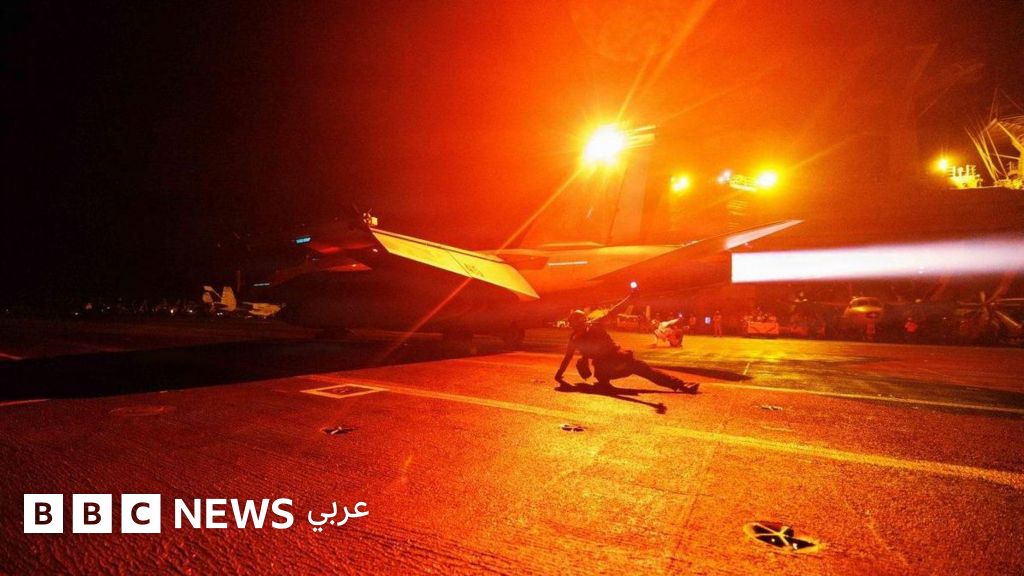
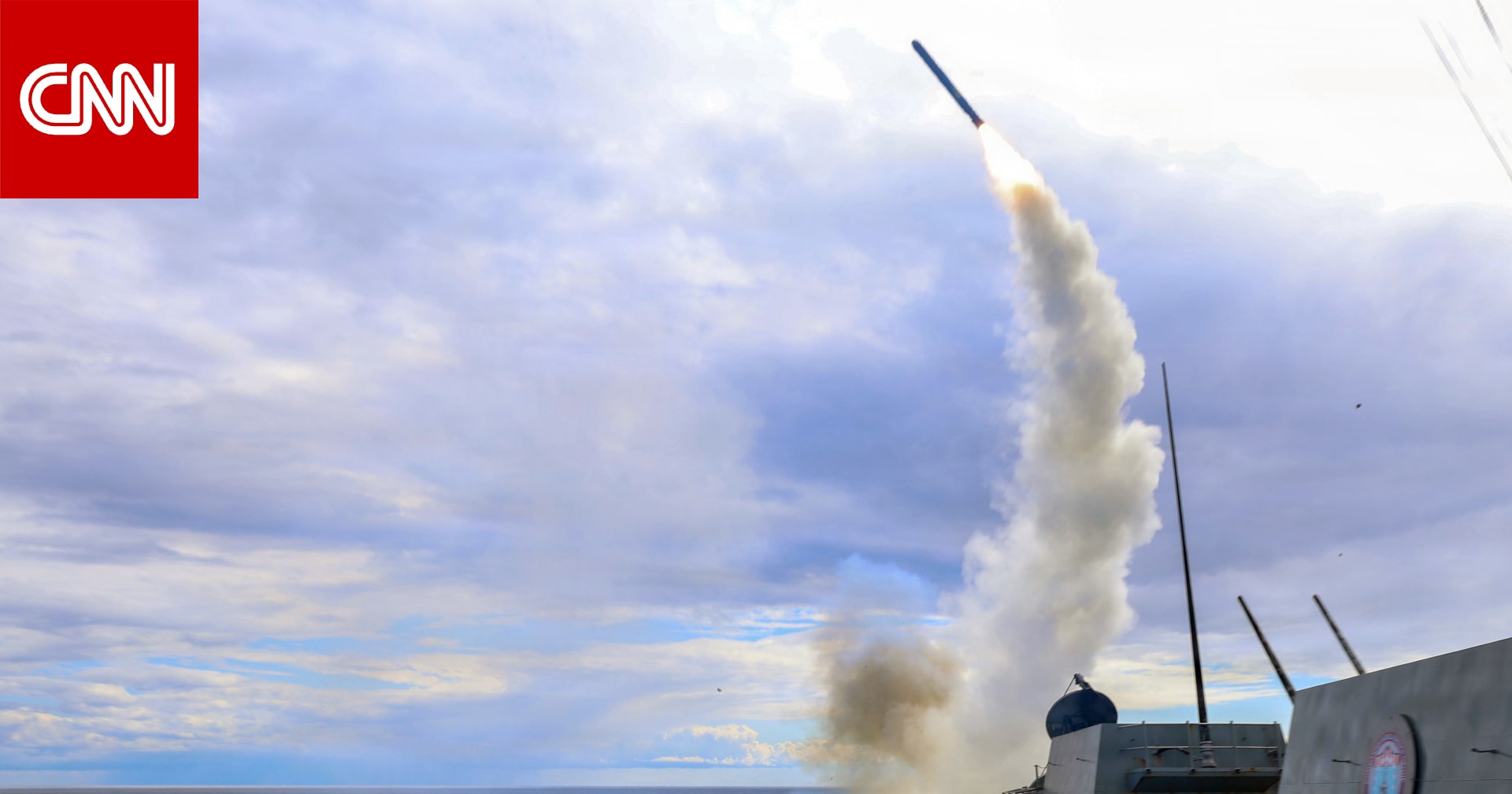
Image caption, A strike carried out by US naval drones on an Iranian naval facility
Skip podcast and continue reading
Worth attention
In-depth explanation of the most important events and topics, to help you understand the key changes around you and their impact on your life
Episodes
End of podcast
The US military said the recent operations targeted Iranian military capabilities used to threaten ships transiting the Strait of Hormuz.
According to US Central Command, a first wave of strikes lasted about 90 minutes and targeted coastal defenses and cruise missile storage and launch sites on Greater Tunb Island.
It added that US forces also opened fire on a ship they said attempted to violate the renewed blockade on Iranian ports, noting that the operations reduced Tehran's ability to attack commercial ships in the strait.
Later, the United States carried out a second wave targeting command centers, air defense sites, missile capabilities, drones, and coastal surveillance facilities, including sites in the city of Bandar Abbas overlooking the Strait of Hormuz.
Air defense sirens sounded in the capital Tehran, according to Iranian state media, and a hospital in the city of Ahvaz, near the head of the Gulf, was evacuated due to missile strikes in its vicinity.
In response, Iran said it attacked US military targets in the region, including sites in Bahrain and Kuwait.
It also announced targeting communication systems and storage facilities of the US military in Jordan using drones. Jordanian state media said the army intercepted eight drones, with no casualties or material damage from the attack.
Fragile understanding
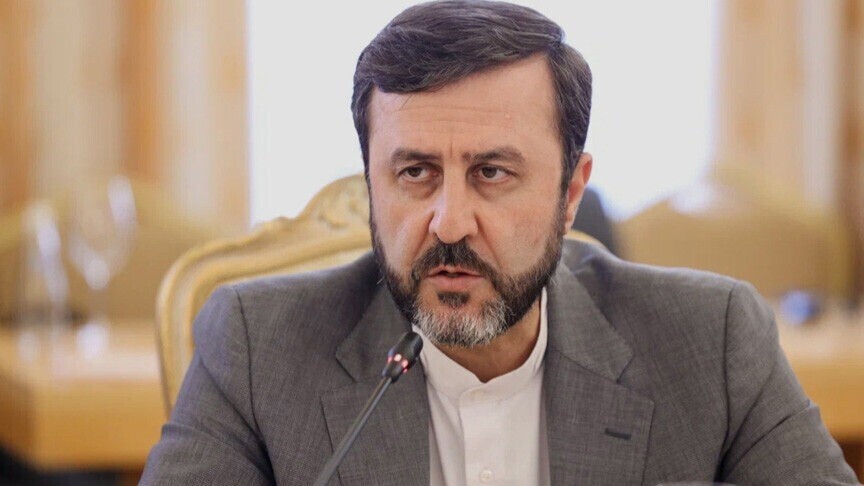
Image caption, Iran's chief negotiator Mohammad Baqer Qalibaf said his country sees no reason to commit to the understanding with Washington if it does not benefit from it
Washington reimposed a blockade on Tuesday evening preventing ships from entering or leaving Iranian ports and coastal areas. US Central Command said it had diverted two commercial vessels since its implementation.
The blockade had been lifted under the memorandum of understanding reached by the two countries last month, but the dispute over the Strait of Hormuz has become the main obstacle to its implementation, as Tehran insists on its role in managing the waterway.
Iran's chief negotiator Mohammad Baqer Qalibaf said his country 'has no reason' to commit to the understanding if it does not benefit from it, adding that Iran's national security depends on maintaining what he called 'Iranian arrangements' in the strait.
Qalibaf considered that negotiation, like war, is part of Iran's resistance strategy in what he described as an 'existential' confrontation with the United States.
In response to the reimposition of the blockade, Iran's Islamic Revolutionary Guard Corps warned that Washington should expect the closure of other oil and gas export routes that serve US and allied interests, without specifying which routes might be affected.
The confrontation has led to a near-total disruption of oil tanker traffic through the strait, causing a sharp rise in prices and highlighting the waterway's importance to the global economy.
Despite the military escalation, Trump welcomed Iran's release of US citizen Dina Karari, whom he said had been 'unjustly' detained since December 2024.
He said Karari is now out of Iran and in good condition, thanking Tehran for what he called a 'goodwill gesture.' Her lawyer Jared Genser reported that she was on her way to the United States.
Skip short clips and continue reading
Short clips
End of short clips
US military bombs oil-rich Abadan and Mahshahr in southwestern Iran, as Tehran expands its attacks, July 14, 2026
Britain plans to ban support for Iran's Revolutionary Guard, what are its key roles inside and outside Iran? July 13, 2026
US military launches new wave of strikes against Iran, reports of Tehran threatening to close Bab el-Mandeb Strait, July 15, 2026
Iran's Mount Axe facility: What do we know about the site the US president is threatening? July 14, 2026
Original source: BBC Arabic
Comments (0)
Be the first to comment.