Launch of the 'Beirut Global Declaration' for the Protection of Cultural Heritage

The National Network for the Protection of Libraries, Archives and Cultural Heritage in Lebanon launched the 'Beirut Global Declaration' to protect cultural heritage and human memory in southern Lebanon, in an initiative aimed at mobilizing international support to save threatened heritage.
The declaration stressed that targeting libraries, publishing houses, cultural centers, archives and manuscripts is not collateral damage due to war, but a new chapter in a longer history of cultural and archival violence in Palestine and Lebanon since 1948, aimed at erasing evidence that proves the existence, history and rights of people, and severing the relationship between land, memory and identity.
The declaration called on cultural, academic and international institutions to condemn the targeting of Lebanese cultural heritage, provide urgent international protection for it, launch programs to rebuild damaged libraries and institutions, and boycott Israeli cultural institutions.
It also called for the creation of an emergency archive documenting the destruction and supporting the right of local communities to preserve their memory and narrative.
Minister of Culture Ghassan Salameh during the 'Beirut Global Declaration' - bnl.gov.lb
Lebanese Minister of Culture Ghassan Salameh stressed that protecting cultural heritage is no less important than protecting human life, affirming that attacks on heritage and the environment constitute a violation of international humanitarian law and humanity itself.
During the meeting, he announced the 'Million Book' campaign, which aims to contribute to the reconstruction of damaged public, private and semi-public libraries, and to collect one million books to replenish them with knowledge, in parallel with launching a process to document damage to libraries, build a national database, and develop an emergency plan to protect cultural collections in times of crisis.
He pointed to the measures taken by the ministry over the past months, including doubling the number of Lebanese sites covered by protection measures at UNESCO from 39 to 79 sites, and succeeding in inscribing the ruins of Tyre on the List of World Heritage in Danger.
The ministry is also working on inscribing the five castles of Jabal Amel (Tebnine, Chamaa, Chaqif, Deir Kifa, Chaqra) on the World Heritage List, at the World Heritage Committee meeting in South Korea in two weeks, alongside diplomatic efforts that included communication with more than 30 ministers of culture and international organizations, to keep the Lebanese heritage file present on the international agenda and push for broader protection of threatened sites.
He revealed an ambitious project to strengthen public libraries in various Lebanese regions, including 57 libraries at a cost of $3 million, and has received $700,000 in grants to start its implementation. He stressed that the libraries in Bint Jbeil and Taybeh, which were destroyed by the enemy, will be rebuilt.
Lebanese Environment Minister Tamara al-Zein affirmed that the destruction of the environment in the south follows the same path of erasing memory and identity, and stressed that environmental heritage is also cultural heritage, calling for the inclusion of the environmental dimension in international campaigns to protect heritage.
She noted that the ministries of culture and environment succeeded in convincing the Prime Minister to include two dedicated chapters on environmental and heritage damage in the Lebanese government's report to the Human Rights Council in Geneva, to focus international efforts on the fact that crimes against the environment and heritage are crimes against humanity and international law.
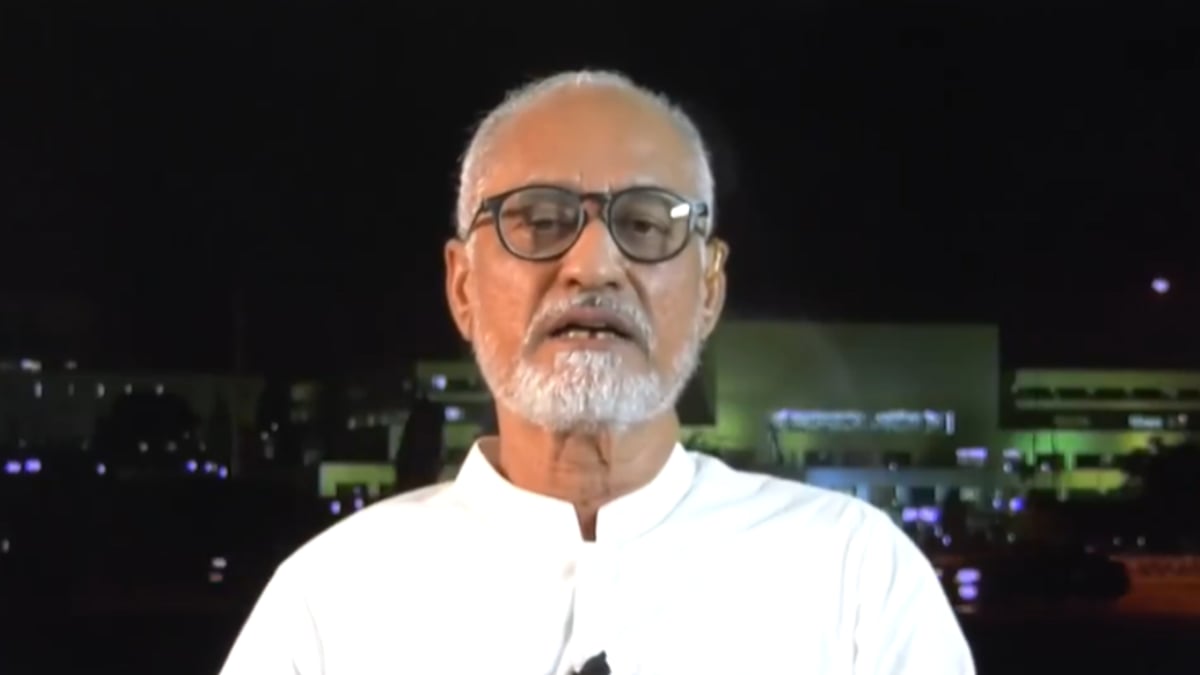
Lebanese poet Zuhair Wahbi read the 'Beirut Global Declaration' during the ceremony held under the patronage of the Lebanese Ministry of Culture.
Original source: Asharq News


Comments (0)
Be the first to comment.