Al-Nafi'a Popular Market in Fifa: Three Centuries of Cultural Life in Jazan's Mountains
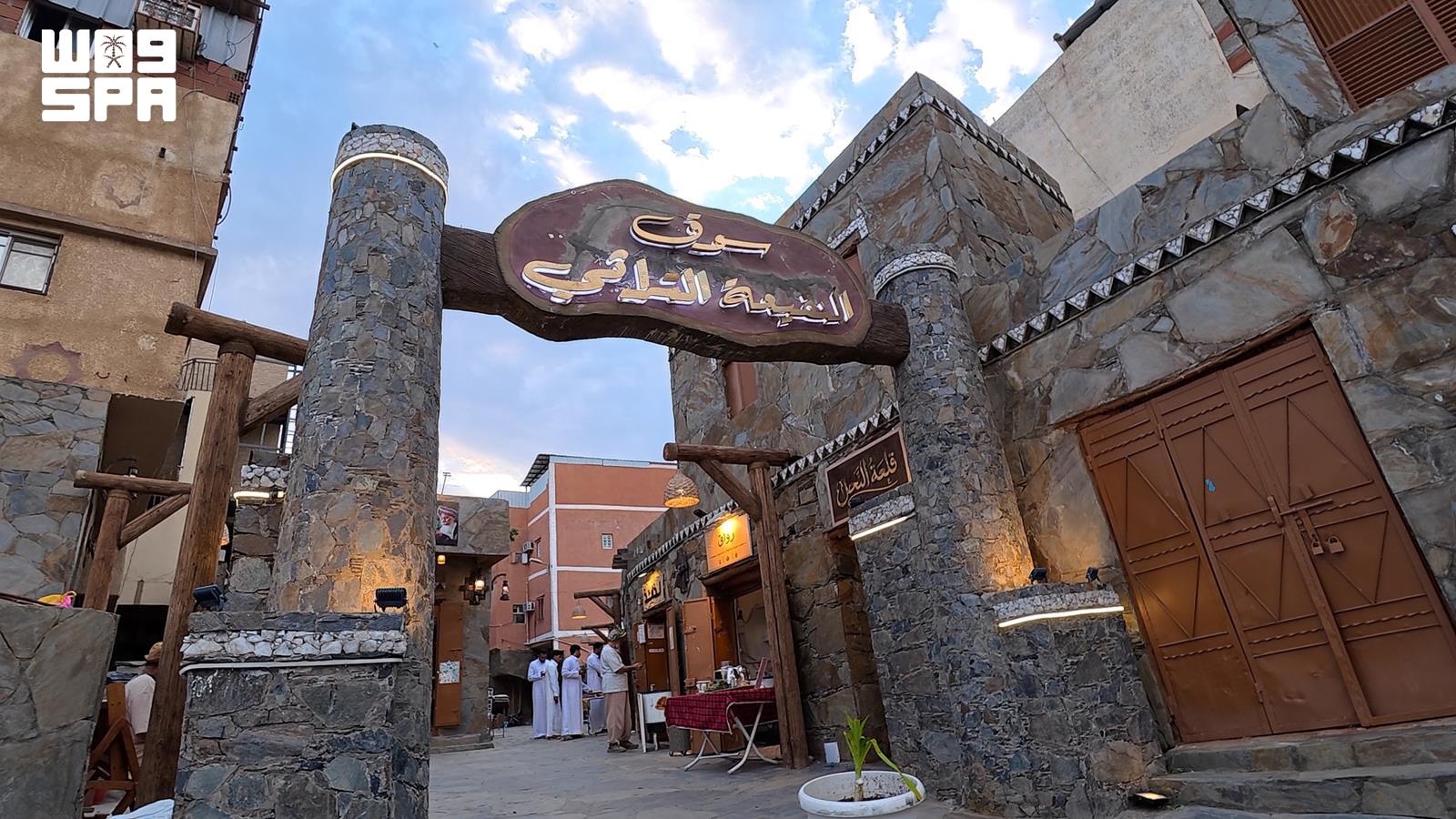
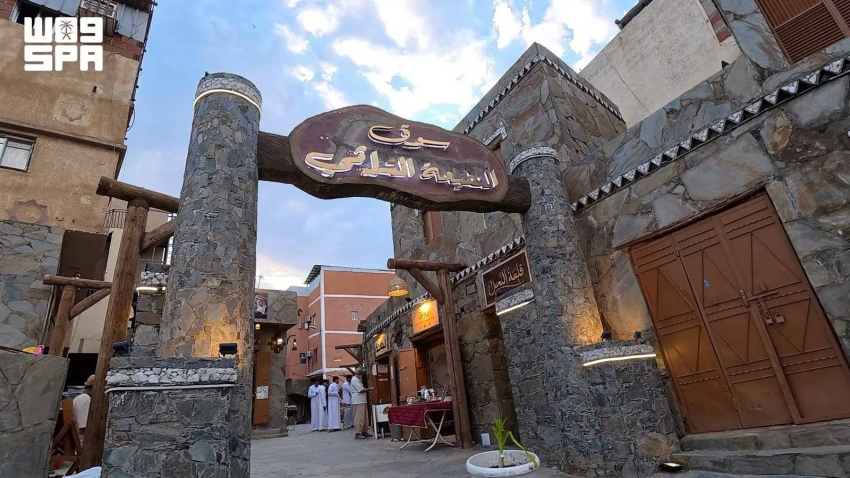
The Al-Nafi'a Popular Market in Fifa, Jazan, one of the oldest historical markets in the mountainous region, has been a center of trade and culture for over 300 years. It preserves traditional stone architecture, local products like Khawlani coffee and honey, and heritage artifacts, including a 700-year-old tree. Recent restoration efforts have enhanced its appeal.
Fifa, Jumada Al-Awwal 5, 1448 AH (July 19, 2026 AD), SPA: The Jazan Region holds historical testimonies that have formed a record documenting the community's journey and transformations over the centuries, reflecting lifestyles, architectural features, and social and cultural dynamics associated with its formation over time. These sites stand out as knowledge sources that contribute to reading local history and recalling its stages through remaining landmarks that have retained their value to this day. Among these sites is the Al-Nafi'a Popular Market in Fifa Governorate, which still maintains its status as one of the oldest historical markets in the mountainous sector, witnessing a period spanning three centuries of the region's history. The market was founded between 1140 and 1150 AH (approximately 1727-1737 AD), making it one of the oldest historical markets in the mountains of Jazan. For over three centuries, it has served as a center of trade and a social and cultural meeting point, gathering the people of Fifa and residents of neighboring villages, and contributing to preserving customs and practices related to local community life. The Al-Nafi'a Popular Market retains its traditional architectural character, with shops distributed along stone-paved pathways and surrounded by buildings constructed from local stone, reflecting the construction methods known in the Fifa mountains. Within its confines, shops display pottery, lamps, coffee-making tools, old household items, traditional clothing, woven baskets, along with Fifa's agricultural products, especially Khawlani coffee, natural honey, millet, local ghee, and several local products linked to residents' lives. The heritage items on display in the market offer visitors a chance to learn about details of past life, including tools used in homes, agriculture, and construction, and pieces documenting lifestyles and methods of dealing with mountain environment resources, keeping the market a space combining commercial activity and preservation of folk memory. At the heart of this scene stands the "Taliqah" tree, estimated to be over 700 years old, growing among rocks at an altitude exceeding 2,000 meters above sea level. The tree has been associated with market seasons, residents' gatherings, and successive generations, becoming a landmark and symbol in the people's memory, reflecting the deep relationship between humans and their mountainous environment over the centuries. The role of the Al-Nafi'a Popular Market was not limited to buying and selling; it also performed a prominent cultural and social function, hosting meetings among residents, contributing to the exchange of news and experiences, transmitting knowledge and oral traditions, and strengthening ties among mountain village inhabitants, making it an integral part of local community history and collective memory. Oral traditions among the people of Fifa confirm the historical status of the market, which the governorate's residents recall when speaking about its origin and role. Yahya bin Hussein Al-Fifi explained that the Al-Nafi'a Popular Market is considered the first market in the mountainous sector, founded about 350 years ago, noting that it has historically served as a commercial center for the people of Fifa and neighboring tribes, in addition to visitors from Abu Arish Governorate. He stated that the market still maintains its activity and has seen an increase in visitors in recent years due to the development of the road network leading to it. Suleiman Jibran Al-Fifi pointed out that preserving the Al-Nafi'a Popular Market extends to safeguarding its heritage elements through restoring stone buildings, preserving their architectural details, and reviving traditional crafts, emphasizing that these efforts contribute to highlighting its historical value and enhancing its presence as one of the most prominent heritage sites in the Fifa mountains. Abdo Al-Mukhshami Al-Fifi, who spent nearly 60 years working in the market, affirmed that the market still retains rare heritage items, some over 120 years old, including lamps, utensils, traditional construction tools, and other pieces reflecting the nature of life in the past. He noted that these items attract the attention of visitors and heritage enthusiasts due to their historical value and their documentation of social and economic life details the region experienced over the decades. The Jazan Region strengthens its presence in the national cultural scene through its cultural and knowledge diversity, forming an important base for specialized studies and research, and contributing to highlighting the cultural components of the Kingdom's regions that reflect their historical depth and cultural diversity, in line with the goals of preserving heritage and showcasing it to future generations. // End // 18:17 Mecca Time 0148
Original source: SPA



Comments (0)
Be the first to comment.