Syrian Minister of Culture: Our participation in Jerash Festival is a 'historic return to our natural cultural surroundings'
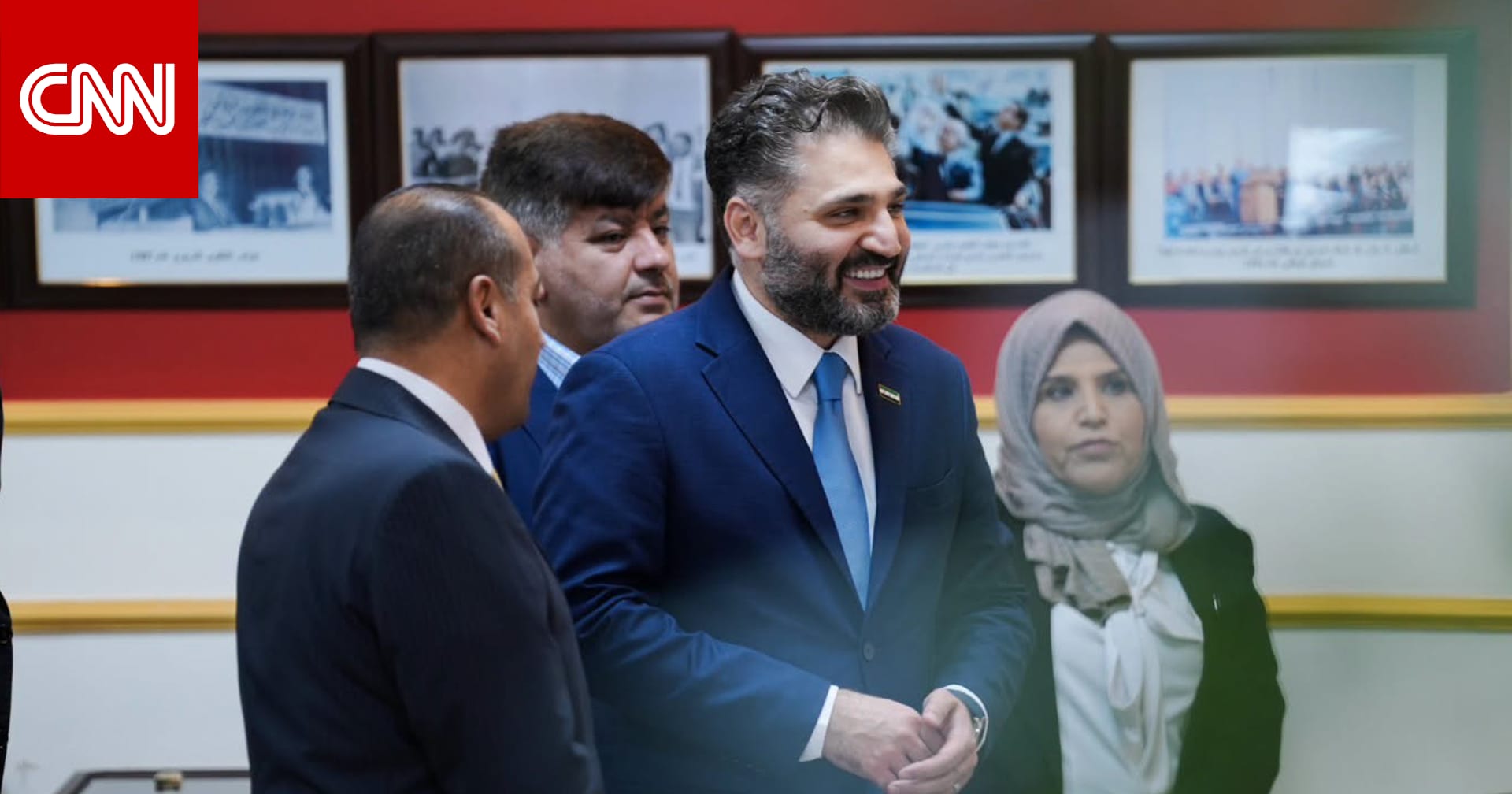
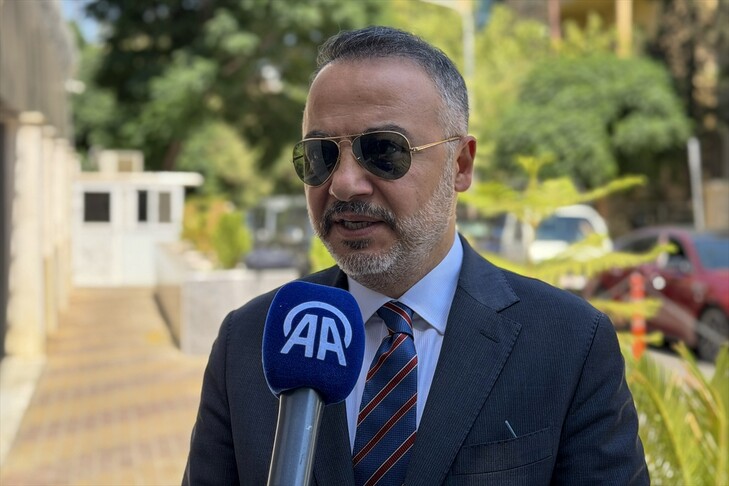
Syrian Minister of Culture Muhammad Yasin Saleh said Wednesday that his official participation in the opening of the Jerash Festival of Culture and Arts, representing Syria, 'embodies his country's return to its Arab surroundings and to its cultural surroundings.'
Credit: SyrSMOC/Facebook
Syrian Minister of Culture Muhammad Yasin Saleh stated on Wednesday, during his official attendance at the opening events of the Jerash Festival of Culture and Arts on behalf of Syria, that this step reflects his country's reintegration into its Arab and cultural fold, and strengthens ties with Jordan, highlighting the centrality of culture in building common spaces.
These cultural events come at a time when the region is witnessing widespread diplomatic and cultural momentum to rebuild bridges between Arab countries.
After receiving an inquiry from CNN Arabic about the prospects of the Syrian future, Saleh affirmed that 'the future is moving with steady steps towards a Syria that befits the sacrifices of its people and its authentic culture that is thousands of years old, and its timeless civilization.'
The Syrian Minister of Culture, who is a guest in Jordan and at the Jerash Festival accompanied by a cultural delegation, added that 'Syria is now shaking off the dust that accumulated during the era of the Assad gangs, and is heading towards its future with measured and steady steps,' referring to the regime of ousted President Bashar al-Assad.
Saleh, who praised the good organization of the opening ceremony of the festival's 40th edition, described 'Syria's return to its natural surroundings as a historic return, as there was a state of isolation, but it has now ended.'
He said: 'It is natural for us to be here just as we are in Bosra al-Sham and as we are in Palmyra. The truth is that Jerash has a long history, and carries many features of the ethical system that represents us, and features of the cultural spaces we share. Today, Syria returns to tell both inside and outside that it has returned strongly and to its natural position that befits the sacrifices of its people.'
The official Al-Mamlaka channel reported on Wednesday that the Jordanian Minister of Culture Mustafa Al-Rawashdeh and his Syrian counterpart 'agreed to renew and develop cultural agreements between the two countries in line with developments, to include modern fields of cultural cooperation, contributing to strengthening the deep-rooted relations between the two peoples.'
This official Syrian participation is of great importance as it reflects the wide political and cultural transformations that Damascus is witnessing after years of estrangement and regional isolation. Major festivals like the Jerash Festival play a historical role in building bridges of artistic and civilizational communication among Arab peoples. Observers are anticipating the repercussions of these official meetings on the development of bilateral agreements and the activation of joint cooperation programs in the near future. These solidarity milestones also highlight the desire of the concerned parties to overcome previous obstacles and elevate cultural dialogue as a tool for rapprochement.
Original source: CNN Arabic

Comments (0)
Be the first to comment.