4 times the risk: Shocking discovery about syndrome affecting women
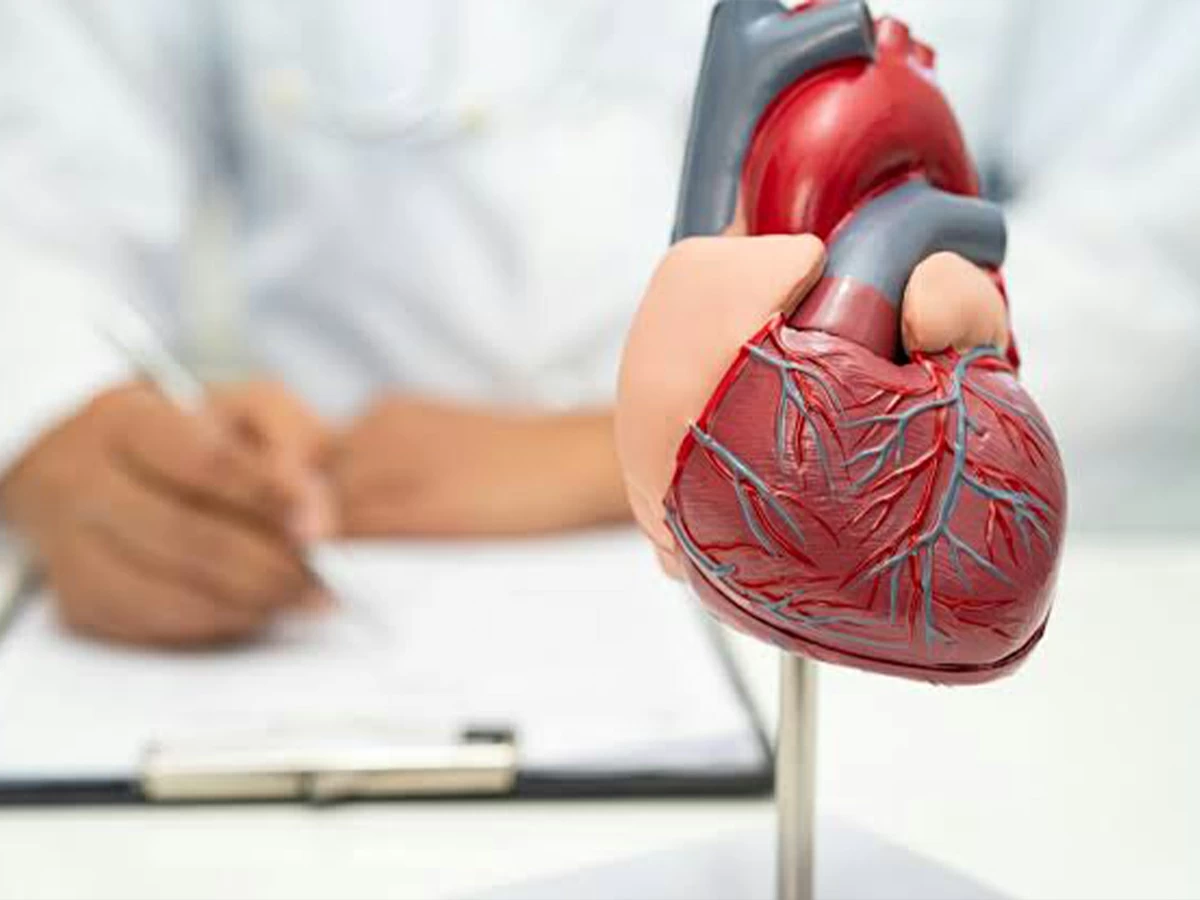
A recent American study revealed a significant health risk facing women with Metabolic Syndrome Polyendocrine (PMOS), showing that their likelihood of developing heart disease may be four times higher compared to women without the condition, highlighting the need to address this condition with greater seriousness.
Metabolic Syndrome Polyendocrine is a complex hormonal condition common among women, affecting several health aspects, including hair growth, menstrual regularity, fertility, and mood changes.
This condition was previously known as 'Polycystic Ovary Syndrome' before the new terminology was adopted to correct the misconceptions associated with it, after the focus on the presence of cysts alone led to delayed diagnoses in many cases, despite its effects extending far beyond that.
The study, reported by the British newspaper 'The Independent,' relied on analyzing health insurance data for over 413,000 women aged between 18 and 50 who have the syndrome, and comparing it with data from more than two million women without the condition, during the period from 2000 to 2022.
The results showed that the increased risk of heart disease persisted even after excluding influencing factors such as high blood pressure and diabetes, indicating a direct link between the syndrome and an increased likelihood of cardiovascular issues.
Researchers confirmed that these findings reveal the need to raise awareness among doctors and women about the cardiac risks associated with the syndrome, and to promote early detection and preventive measures before complications arise.
The study team, published in 'The Lancet,' explained that improving medical education and increasing patients' awareness of the nature of the risks could contribute to developing prevention methods and reducing the likelihood of heart disease.
A recent American study revealed a significant health risk facing women with Polycystic Ovary Syndrome (PCOS), showing that their likelihood of developing heart disease may be four times higher compared to women without the condition, highlighting the need to address this condition with greater seriousness.
Polycystic Ovary Syndrome is a complex hormonal condition that is common among women, affecting several health aspects, including hair growth, menstrual regularity, fertility, and mood changes.
This condition was previously known as "polycystic ovarian syndrome" before the new terminology was adopted to correct the misconceptions associated with it, as the focus on the presence of cysts alone led to delayed diagnoses in many cases, despite its effects extending far beyond that.
The study, reported by the British newspaper "The Independent," relied on analyzing health insurance data for over 413,000 women aged between 18 and 50 who have the syndrome, and comparing it with data from more than two million women without the condition, during the period from 2000 to 2022.
The results showed that the increased risk of heart disease persisted even after excluding influencing factors such as high blood pressure and diabetes, indicating a direct link between the syndrome and an increased likelihood of cardiovascular issues.
Researchers confirmed that these findings reveal the need to raise awareness among doctors and women about the cardiac risks associated with the syndrome, and to promote early detection and preventive measures before complications arise.
The study team, published in "The Lancet," explained that improving medical education and increasing patients' awareness of the nature of the risks could contribute to developing prevention methods and reducing the likelihood of heart disease.
Original source: Okaz





Comments (0)
Be the first to comment.