How to protect your children from drowning risks this summer?
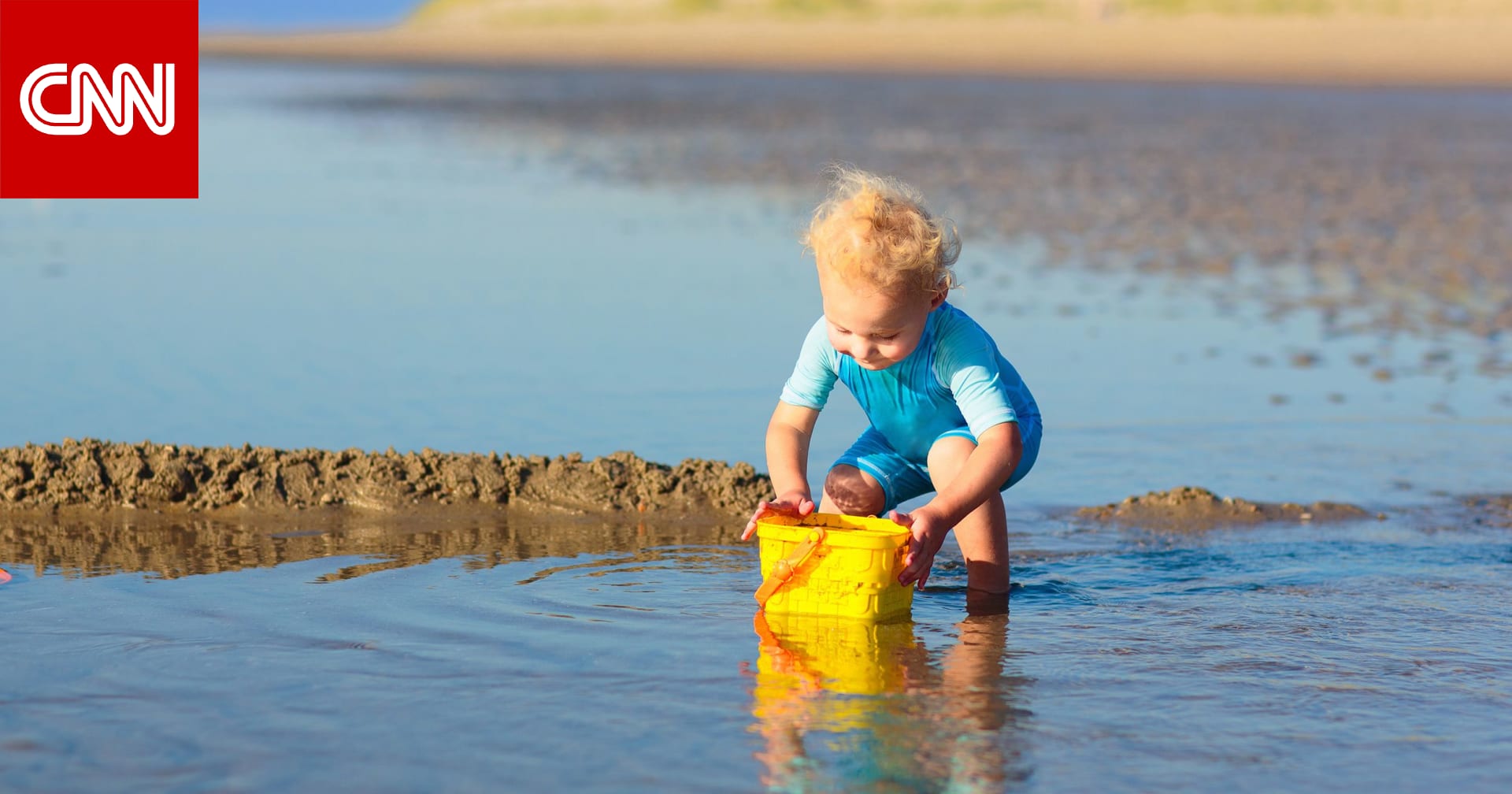
(CNN)-- Drowning is the leading cause of death for children ages 1 to 4 in the United States, and it is getting worse.
After years of declining drowning rates, childhood drowning deaths have increased since the Covid-19 pandemic, possibly due to disrupted swimming lessons and limited access to public pools. This trend has sparked renewed concern among pediatricians and parents.
In a recent report reviewing the latest scientific evidence on drowning prevention, the American Academy of Pediatrics emphasizes that most of these tragedies can be prevented when families and communities adopt multiple layers of protection simultaneously.
To understand what parents and caregivers should know, CNN medical analyst Dr. Leana Wen answers these questions. She is also a mother of two young children.
Wen is an emergency physician and adjunct associate clinical professor at George Washington University. She previously served as health commissioner for the city of Baltimore.
CNN: Why is this topic gaining renewed attention now?
Dr. Leana Wen: This report provides a comprehensive review of the scientific evidence on drowning prevention. The authors evaluated decades of research to identify the groups most at risk for drowning and the interventions proven effective in saving lives, and they provided updated recommendations for families, health care providers, and policymakers.
Drowning remains a serious public health problem. For infants and young children, drowning is the most common cause of death, surpassing even birth defects. Among children ages 5 to 14, it is the second most common cause of unintentional injury death after motor vehicle accidents.
In 2024, 1,075 children and adolescents under age 20 died from unintentional drowning, including boating-related incidents.
Many of these deaths could have been prevented. A key message of the report is that drowning prevention requires multiple integrated safety measures, including constant supervision, swimming lessons, barriers around pools, wearing life jackets, and policies promoting water safety. When these measures are used together, the risk of drowning decreases significantly.
CNN: Many think drowning involves screaming for help and violently thrashing in the water. Is that what actually happens?
Wen: Mostly no, and this is one of the most important misconceptions to correct. In reality, drowning often happens with surprising silence. A child struggling in the water is focused on trying to breathe, so they typically cannot wave their arms or shout for help because all their energy goes to keeping their mouth above the surface.
A person might appear in a vertical position, trying to climb an 'invisible ladder,' or gradually disappear beneath the surface without noise.
That is why experts emphasize active and undistracted supervision. It is best for children to swim in places with professional lifeguards, as they can quickly recognize signs of distress and initiate rescues when needed. However, parents should not rely solely on lifeguards, especially if the child is not a strong swimmer.
Many organizations recommend designating a specific person responsible for watching children while they are in or near water, with their sole focus on the children, without engaging in conversations or using a mobile phone.
This recommendation also aims to avoid a common tragic scenario where every adult assumes someone else is watching the child. Therefore, clearly assigning supervision responsibility can prevent such incidents.
CNN: If parents could take just a few steps to reduce drowning risk, what would be the most important?
Wen: First, constant and close supervision. For young children, the responsible adult should be within arm's reach to grab the child immediately when in or near water, because a brief moment of distraction can be enough for a child to enter the pool and disappear from sight.
Second, every home pool should be surrounded by a four-sided fence that completely separates it from the house and yard, with a self-closing, self-latching gate, and the fence should be at least 4 feet high. Studies have proven that this type of barrier is one of the most effective ways to prevent children from accessing pools unsupervised.
Third, use properly fitted, US Coast Guard-approved life jackets when boating or swimming in lakes, rivers, and other natural bodies of water, as these environments can be unpredictable even for experienced swimmers.
CNN: When should children start learning to swim? And does learning to swim eliminate drowning risk?
Wen: The American Academy of Pediatrics recommends that most children begin learning to swim by age 4. Starting earlier is possible, especially if the family has a home pool, lives near a lake, or frequently uses boats.
Studies indicate that formal swimming lessons significantly reduce drowning risk in young children. They provide important water safety skills and boost confidence, but they do not eliminate the risk entirely.
CNN: Do drowning rates differ among racial and ethnic groups?
Wen: Yes. According to the American Academy of Pediatrics report, drowning death rates among people under 30 are highest among American Indian and Alaska Native populations, followed by Black Americans.
Among children ages 5 to 19, Black children were 5.5 times more likely to drown in pools compared to white children.
The report emphasizes that these disparities are not due to biological differences but to historical and social factors affecting opportunities for swimming lessons and access to pools and water facilities. Therefore, expanding affordable swimming education and providing safe swimming venues may help reduce these gaps.
CNN: Do safety tips differ based on swimming location?
Wen: Yes. Young children often drown in home pools, while teenagers are more likely to drown in lakes, rivers, and seas.
Natural bodies of water carry additional risks, such as currents, changing depths, and underwater obstacles, so extra precautions are needed when swimming in them.
It is always best to swim where lifeguards are present, and to ask them before entering the water about currents, tides, water quality, and any conditions that might make swimming unsafe. Also, check weather forecasts and obey warning signs.
Do not swim alone, especially for teenagers who may overestimate their abilities or take unnecessary risks. Also, avoid swimming after consuming alcohol or any substances that impair alertness and attention.
CNN: Many products are marketed to parents, such as wearable alarms, pool alarms, and inflatable flotation devices. Do they actually help?
Wen: Some of these products can add an extra layer of protection, but they should not be considered a substitute for constant supervision or physical barriers around pools.
Original source: CNN Arabic





Comments (0)
Be the first to comment.