Palestinian official: Gaza needs 100 tons of toxic baits for rodent control
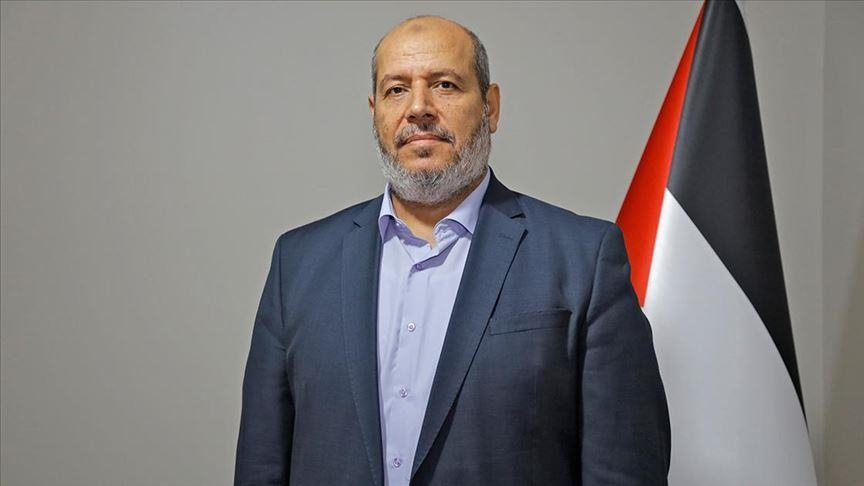
According to Yahya Al-Sarraj, head of the Union of Municipalities of Gaza Strip, during a ceremony to launch a project to combat rodents and harmful insects
Gaza – Anadolu Agency correspondent Hosni Nadim reported from Gaza.
The Gaza Strip is suffering from deteriorating environmental and health conditions due to repeated wars and the blockade imposed for years.
Yahya Al-Sarraj, head of the Union of Municipalities of Gaza Strip, said on Wednesday that the sector urgently needs about 100 tons of pesticides, baits and materials needed to combat rodents and insects.
This came during the launch of a project to combat rodents and harmful insects in Deir al-Balah city in the central Gaza Strip, by international relief organizations working within the Water, Sanitation and Hygiene group (WASH Cluster), and Operation "Brave Knight 3" funded by the UAE.
Al-Sarraj stressed in his speech during the conference the growing health and environmental risks due to the spread of rodents and insects in residential areas and displacement camps.
In an interview with Anadolu Agency correspondent, Al-Sarraj said the sector "needs about 100 tons of pesticides and baits for rodent control, along with other necessary materials to combat mosquitoes and insects."
Al-Sarraj appealed to donors and international organizations to urgently provide these needs.
Al-Sarraj explained that the spread of rodents is linked to the accumulation of waste, rubble, and destroyed vehicles.
In this regard, he called for the implementation of urgent projects to remove waste, rubble, and destroyed vehicles, to limit environments that help rodents multiply and insects spread.
According to project officials, the current phase includes distributing about 9 tons of toxic baits for rodent control in various areas of the Gaza Strip, as part of efforts to limit their spread in residential areas and displacement camps.
The project was launched in the presence of Al-Sarraj, the Executive Director of the Joint Services Council Abdul Rahim Abu Qambez, along with mayors and representatives of Operation "Brave Knight 3" and international organizations.
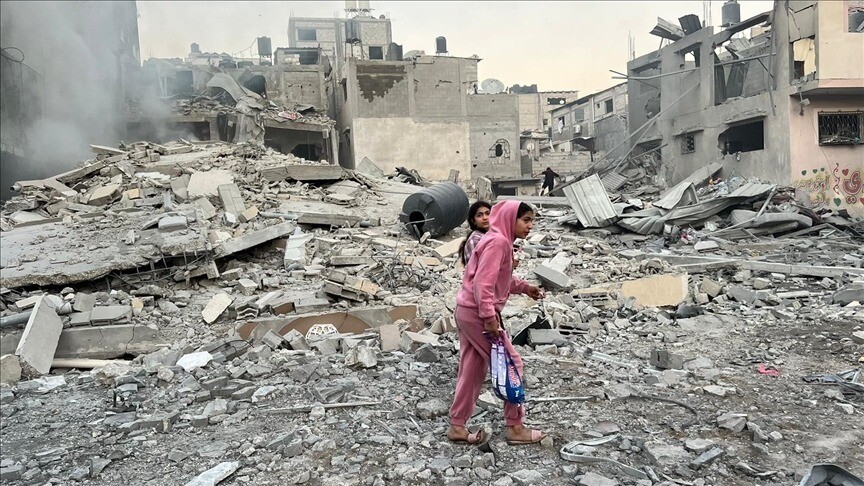
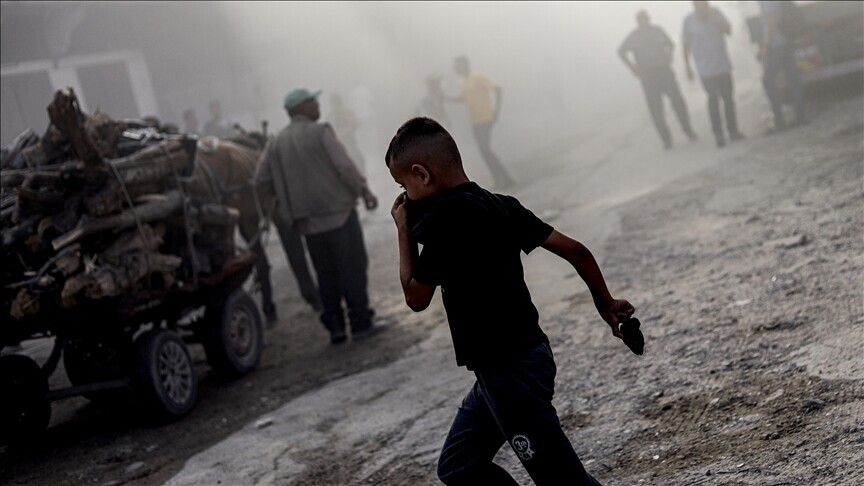
The campaign comes amid deteriorating health and environmental conditions in the Gaza Strip, where the accumulation of waste, rubble, and widespread destruction of residential and service areas has provided a suitable environment for rodents and insects to breed, raising fears of disease spread, especially in overcrowded displacement areas.
The suffering of hundreds of thousands of Palestinian families living in tents and shelters lacking basic necessities is worsening, amid water shortages, power outages, and the spread of insects and rodents.
Palestinians in the Gaza Strip are experiencing deteriorating living and health conditions and continued restrictions on aid entry, despite the ceasefire agreement in effect since October 2025.
Israel is evading its obligations stipulated in the agreement, including opening crossings and bringing in agreed quantities of food, relief, medical, and shelter aid, as well as infrastructure reconstruction materials.
The ceasefire agreement was reached after two years of the Israeli genocide war in Gaza, which began on October 8, 2023, with US support, and left more than 73,000 dead and over 173,000 Palestinian wounded, most of them children and women, and destruction that affected 90% of civilian infrastructure.
This appeal comes at a time when Gaza municipalities are suffering from a severe shortage of resources for waste management and pest control. The accumulation of garbage and rubble exacerbates the rodent crisis, threatening the health of the population, especially in displacement camps. International relief organizations within the WASH Cluster and the UAE's Operation 'Brave Knight 3' are distributing 9 tons of toxic baits in the current phase, but it covers only a small part of the needs. International efforts are expected to continue to fill the gap, but the need remains urgent for more immediate support.
Original source: Anadolu Agency

Comments (0)
Be the first to comment.