Gaza Civil Defense: Humanitarian response level does not exceed 25 percent
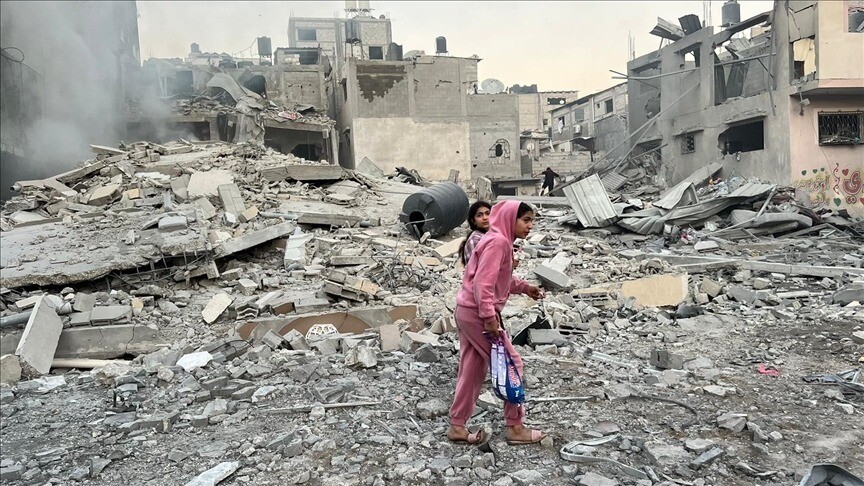
Director of the Civil Defense in the Gaza Strip, Raed al-Dahshan, told Anadolu that the agency does not have sufficient capabilities to face the volume of tasks, as there are vehicles out of service and others destroyed by Israel during the war..
International: Genocide in Gaza
Gaza Civil Defense: Humanitarian response level does not exceed 25 percent
Raed al-Dahshan, Director of Civil Defense in the Gaza Strip, reported that the agency does not have sufficient capabilities to perform its tasks, as vehicles have broken down and others have been destroyed by Israeli bombing during the war.
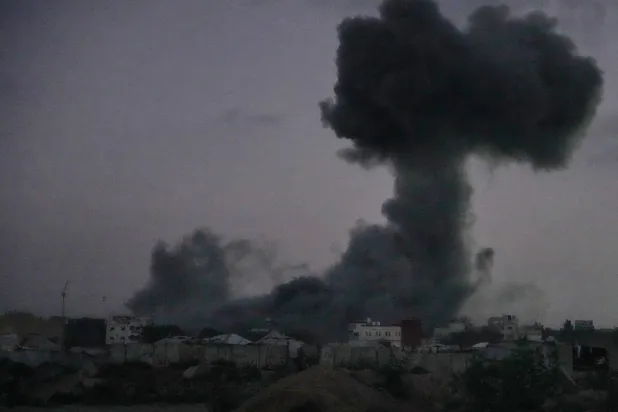
This warning comes at a time when the Gaza Strip is suffering from the consequences of the ongoing Israeli war, which has left widespread destruction of infrastructure.
Hosni Nedim
July 22, 2026 • Update: July 22, 2026
GAZZE
Gaza / Hosni Nedim / Anadolu
Al-Dahshan explained that the level of humanitarian response in Gaza Governorate does not exceed 25 percent, attributing this to the shutdown of a main center and the breakdown of its machinery and a severe shortage of equipment and spare parts.
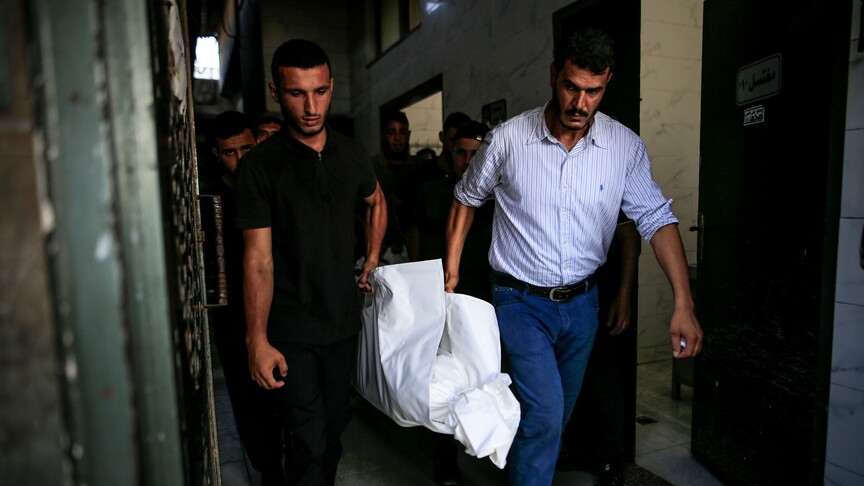
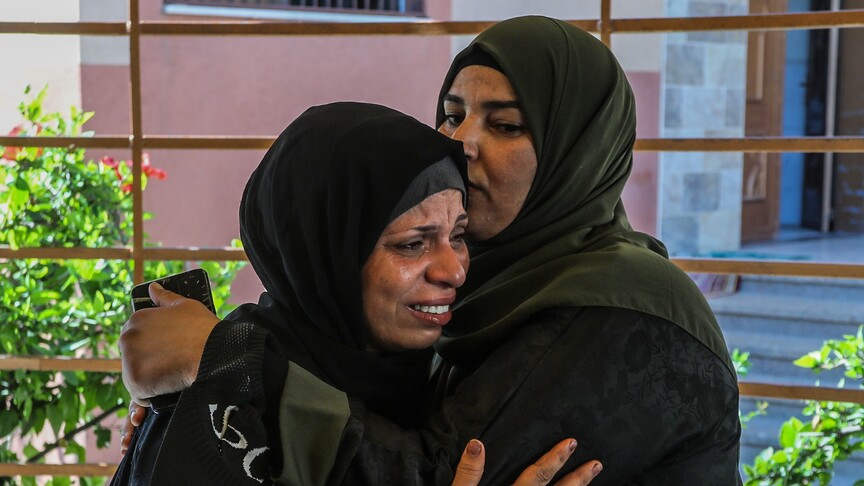
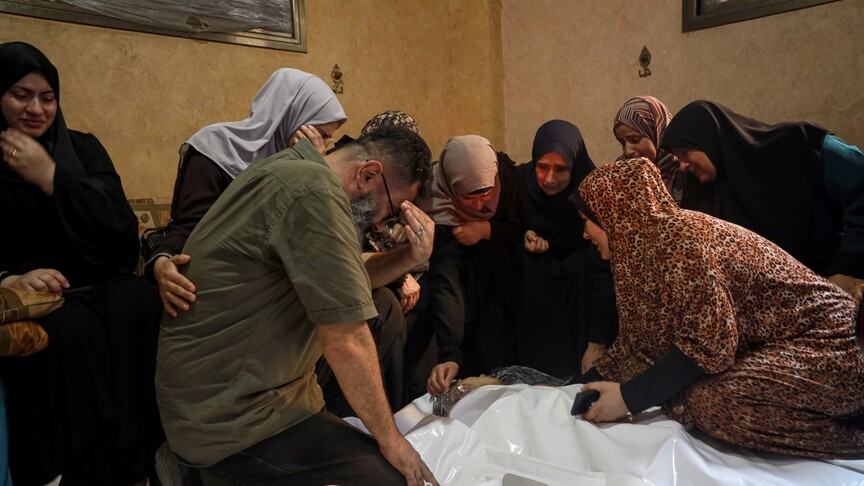
This came in a statement he made to an Anadolu correspondent on the sidelines of a press conference held by the Civil Defense in front of the house of the al-Masri family in the al-Sabra area of Gaza City, whose members were burned to death as a result of an Israeli strike that targeted their home at dawn on Tuesday.
Al-Dahshan pointed out that the Civil Defense center in the al-Rimal area has been shut down for about a month after the breakdown of firefighting, rescue, and ambulance vehicles, depriving large areas of services and delaying the arrival of crews.
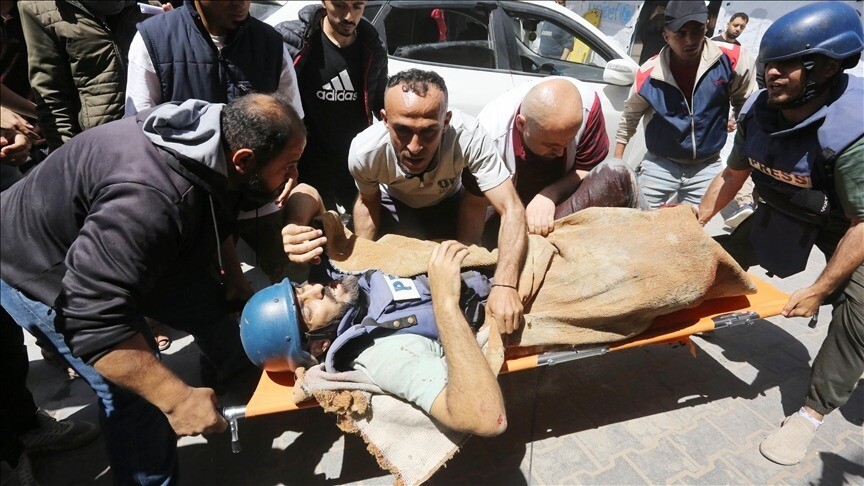
He warned that delays by firefighting and rescue teams reduce civilians' chances of survival, noting that the limited number of vehicles prevents handling more than one mission at a time, amid repeated targeting of homes and multiple reports.
He added that the agency does not have sufficient capabilities to face the volume of tasks, as there are vehicles stopped and others destroyed by Israel, in addition to a shortage of personal equipment and protective clothing, noting that more than 140 civil defense personnel have been killed.
He said that the crews "sometimes work empty-handed," and that repairing vehicles requires high costs due to the high prices of spare parts, calling on international institutions, humanitarian bodies, and guarantors of the ceasefire agreement to provide the necessary equipment and machinery.
Under the first phase of the Gaza ceasefire agreement between Hamas and Israel, which took effect last October, Tel Aviv was supposed to allow the entry of heavy equipment and machinery, but it reneged on that, according to government sources and Palestinian factions in the Strip.
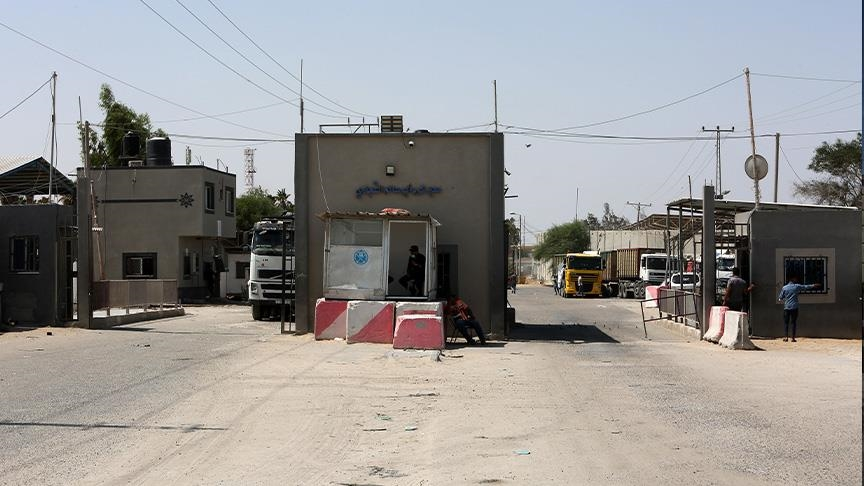
Israel also reneged on other obligations stipulated in the agreement, including stopping military operations, opening crossings, and bringing in agreed quantities of food, relief, and medical aid.
Regarding the al-Masri family, al-Dahshan said that Civil Defense crews arrived at the scene while the fire was still burning, and retrieved the charred bodies of family members from under the rubble.
He added: "The family's children were screaming from under the rubble at the start of the fire, but after a short while, with rising temperatures, the fire consumed them."
He considered that targeting civilian homes and causing their residents to burn constitutes "a crime that must be held accountable and its perpetrators punished," stressing that the agency has human cadres, but lacks the vehicles and necessary means to reach accident sites.
Israeli violations of the ceasefire agreement until Wednesday resulted in the death of 1,180 Palestinians and injury of 3,810 others, according to the Ministry of Health in the Gaza Strip.
The agreement was reached to stop the genocide being committed by Israel in the Strip since October 8, 2023, which has left more than 73,000 dead and over 173,000 wounded, in addition to widespread destruction affecting about 90 percent of civilian infrastructure.
Al-Dahshan's statements indicate the deterioration of basic services in the Strip, especially amid continued shelling. Under the ceasefire agreement, heavy equipment was supposed to be brought in, but Israel did not comply, according to Palestinian sources. Officials stress that the delay in repairing vehicles increases the suffering of residents, as the number of victims multiplies. The question remains about the extent of Israel's commitment to its pledges.
Original source: Anadolu Agency
Comments (0)
Be the first to comment.