A new phase of giving and communication

يبرز ملف رعاية كبار السن في السعودية كنموذج متكامل يجمع بين التشريعات والخدمات الصحية والمبادرات المجتمعية، مع تأكيد دور الأسرة كحاضنة أساسية لضمان حياة كريمة
National regulations, legislation, and initiatives have contributed to improving their quality of life.
A new phase of giving and communication
Leveraging their expertise as one of the development indicators in a vibrant society
The file of elderly care in the Kingdom of Saudi Arabia is witnessing a qualitative development that reflects the status that humans hold in the goals of Saudi Vision 2030, through an integrated system combining legislation, health and social services, and community initiatives, ensuring a dignified and secure life for them. The family remains the primary pillar in caring for and accommodating the elderly, and a key partner in enhancing their quality of life and preserving their dignity, within a system where roles are integrated between the family, government agencies, and the non-profit sector.
In this context, the Human Rights Commission plays a pivotal role in establishing the rights of the elderly, by emphasizing their right to health services that consider their needs and privacy, preparing facilities and institutions to facilitate their access, providing home care for those unable to visit health facilities, along with psychological and social support, training caregivers, and providing necessary medical supplies and assistive devices when needed.
These efforts reflect the Kingdom's direction towards building a supportive environment that preserves the rights of the elderly, enables them to continue their lives independently, benefits from their expertise, and promotes the concept of active aging and quality of life as indicators of sustainable development and a vibrant society.
An advanced system of national services and initiatives has emerged that have contributed to establishing the concept of shared responsibility between the family, government agencies, and the non-profit sector, to provide integrated care that respects the privacy of this group and meets their aspirations.
«Family Responsibility»
The family remains the primary caregiver for the elderly and the environment most capable of providing a sense of security, comfort, and belonging, no matter how extensive the specialized health and social services become. Care at this stage of life is not limited to providing medication or following up on medical appointments, but includes psychological containment, good listening, involving the elderly in daily life details, and maintaining their status within the family as a source of expertise, social memory, and great human value.
Family responsibility requires a degree of awareness of the nature of physical and psychological changes that may accompany aging, and avoiding treating the elderly as a burden or a person incapable of making decisions. A kind word, regular visits, including them in occasions, and preparing the home to ensure their safety and ease of movement are all simple practices on the surface, but they have a profound impact on their psychological health and quality of life.
Moreover, building a balanced daily relationship with the elderly reduces their sense of isolation and enhances their self-confidence, especially when they are given space to express their needs and desires, are involved in family decisions, and their experiences are utilized to guide children and grandchildren, preserving their moral presence and strengthening bonds between generations within the family and society, and reinforcing values of loyalty and mutual compassion.
On the other hand, some families may face challenges related to work pressures or lack of experience in dealing with chronic diseases and cases of impaired mobility and memory, which underscores the importance of family members receiving guidance, training, and support. Hence, strengthening the family's role does not mean burdening it alone, but empowering and supporting it to fulfill its role effectively. Family care remains the optimal model when combined with awareness, compassion, and respect for independence, and is based on a community system that provides the family with the health, rehabilitation, and advisory services it needs.
«Shared Responsibility» And elderly care is no longer solely a private family matter, but has become a societal responsibility shared by health, social, municipal entities, and the private and non-profit sectors. The needs of this group are multiple and interconnected, and may include continuous medical care, physical rehabilitation, psychological support, home services, appropriate transportation, along with social and recreational activities that reduce isolation and enhance communication.
Effective community integration is based on the existence of clear and easy pathways to obtain services, so that the elderly person or their family does not have to move between multiple entities without coordination.
It also requires linking hospitals, primary care centers, social services, and civil society organizations, to ensure continuity of care after discharge from a health facility, follow-up of the case at home, and providing appropriate intervention in a timely manner.
The local community also contributes to supporting this system through volunteer initiatives, awareness programs on the rights of the elderly, and encouraging neighbors and community institutions to monitor their needs and support them.
This close presence enhances response speed, reduces isolation, and reinforces a social culture that sees their care as a shared responsibility and a deeply rooted civilizational value within contemporary Saudi society.
The non-profit sector can play an important role in reaching the most needy elderly, organizing home visits, providing assistive devices, and implementing companionship and social support programs. The private sector also contributes to developing specialized services, and providing technical and health solutions that help with remote monitoring and improve safety within homes.
This integration reflects society's maturity in dealing with aging issues, as care transforms from scattered initiatives into an interconnected system that protects rights and preserves dignity.
The higher the level of coordination between the family and service providers, the more efficient and humane the care becomes, and the greater the elderly person's ability to live independently and safely within their natural environment.
«Health and Comprehensiveness» The quality of life of the elderly is directly linked to the quality of health services provided to them, and the ability of the health system to shift from treating disease after it occurs to prevention, early detection, and continuous follow-up.
Aging may be accompanied by multiple chronic diseases and the use of more than one medication, which requires comprehensive care that considers the health, psychological, and social condition, and does not treat each disease in isolation from others.
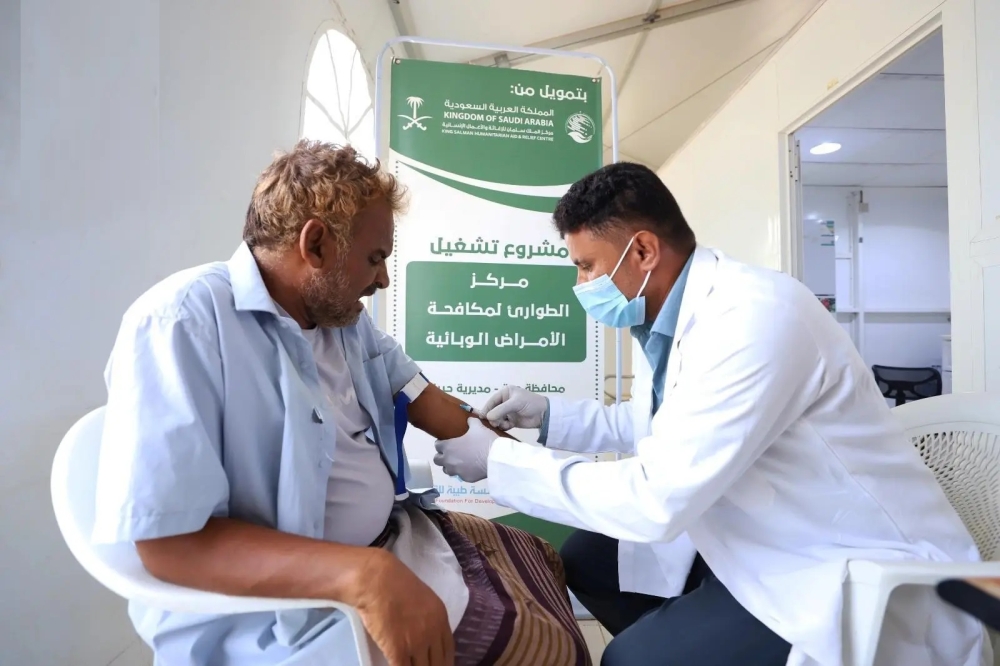
The importance of primary health care emerges in monitoring vital signs, organizing medications, providing vaccinations and periodic checkups, and early detection of hearing, vision, nutrition, mobility, and memory problems. Rehabilitation and physical therapy services also represent a key element in maintaining independence, reducing the risk of falls, and restoring the ability to perform daily activities.
Health awareness gains importance parallel to therapeutic services, as it contributes to raising awareness among the elderly and their families of ways to prevent complications, adhere to the treatment plan, and follow healthy lifestyles including balanced nutrition, appropriate physical activity, and adequate sleep, thereby limiting the deterioration of health status, reducing the need for repeated hospitalization, and increasing the efficiency of preventive care.
Home care and remote medical consultations help alleviate the burden of travel, especially for those with impaired mobility or who need frequent follow-up. However, the success of these services depends on their ease of use, training the family on them, and ensuring that technology does not become an obstacle for elderly people who are not proficient in dealing with applications and digital platforms.
Original source: Al-Riyadh


Comments (0)
Be the first to comment.