Discoveries at Halit in al-Dawadmi - Dr. Abdulaziz al-Jarallah

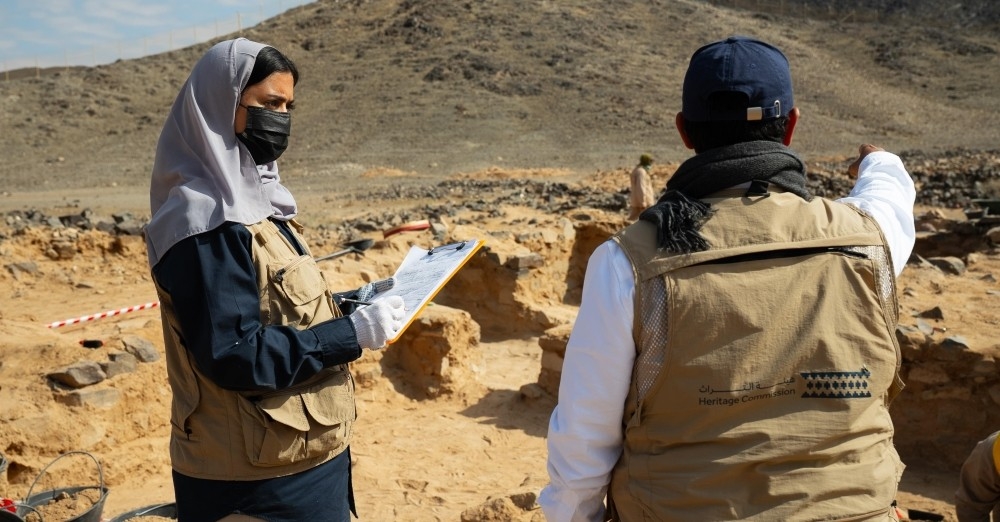
The Heritage Authority announced on July 14, 2026, the results of archaeological excavations at the Halit Archaeological Site in al-Dawadmi Governorate, Riyadh Region, as part of the fourth season's work. The Halit Archaeological Site, an ancient mining settlement, is located approximately 110 km northwest of al-Dawadmi Governorate and is one of the sites registered in the National Antiquities Register in the Riyadh Region.
It dates back to the Umayyad period and is mentioned in early historical sources as 'Ma'adin al-Najadi' (Najadi Mine), named after its owners, the sons of Najad bin Musa bin Saad bin Abi Waqqas, may God be pleased with him. Halit Archaeological Site is also considered one of the sites with integrated infrastructure, highlighting the cultural role of the Arabian Peninsula during the Umayyad period.
Mount Halit is located at the eastern limits of the Arabian Shield and at the beginning of the emergence and formation of the sedimentary sector, in a large pastoral area that was part of the protected grazing lands (Hima) for charity camels during the reign of the Rightly Guided Caliph Umar ibn al-Khattab, may God be pleased with him, in Hima Dariyya, located south of the Qassim Region, within a historical cultural area dating back to the early Islamic period.
The boundaries of the extensive Mount Halit area are as follows:
- From the west: the historical town of Dariyya from the early Islamic period (the Heritage Authority is conducting excavations in the old town), then the pastoral Nafud al-Urayq, flanked to the west by the largest and most famous valley in the region, Wadi al-Jarir al-Kabir, the main tributary from the highlands of al-Dawadmi and Afif, flowing into Wadi al-Rummah, the largest valley in the Kingdom. Then to the west follows the Islamic archaeological city of al-Rabadha, which originally arose as a station on the Darb Zubayda route to Medina via al-Hanakiyah, then the al-Suwaydriyah archaeological site.
- From the east: sand accumulations: the sands of Nafud al-Sirr and Nafud Urayq al-Buldan.
- From the south: the archaeological settlements of al-Dawadmi, which include early Islamic mining settlements and rare archaeological evidence dating back to the Stone Age (Acheulean).
Al-Sidriyah antiquities and Ma'adin al-Ahsan: ancient settlement and mining areas in the Arabian Peninsula.
Stone Age and prehistoric sites: Wadi Safaqa sites, located in the Urayda center, considered among the oldest evidence of human presence. Stone tools and rock platforms dating back to the Paleolithic (Acheulean) were found there. Rock drawings and inscriptions: rock inscriptions and drawings of animals and humans (such as lions) dating back to before the Christian era are spread across several mountains and sites, most notably: Jabala, Thahlan, Gharib, Dudayna, Munayya Plateau, and the Arwa Mountains.
- From the north: ancient settlements: Wadi al-Nisa, homeland of the Kindah Kingdom before Islam; al-Rass and al-Nabhaniyah, ancient settlement areas; and the course of Wadi al-Rummah at Uqla al-Suqur, a pastoral area.
Most notably, Halit is close to ancient caravan routes for pilgrimage and trade: the Basra Hajj road to Mecca, the Darb Zubayda road to Mecca, and the al-Yamama road to Mecca.
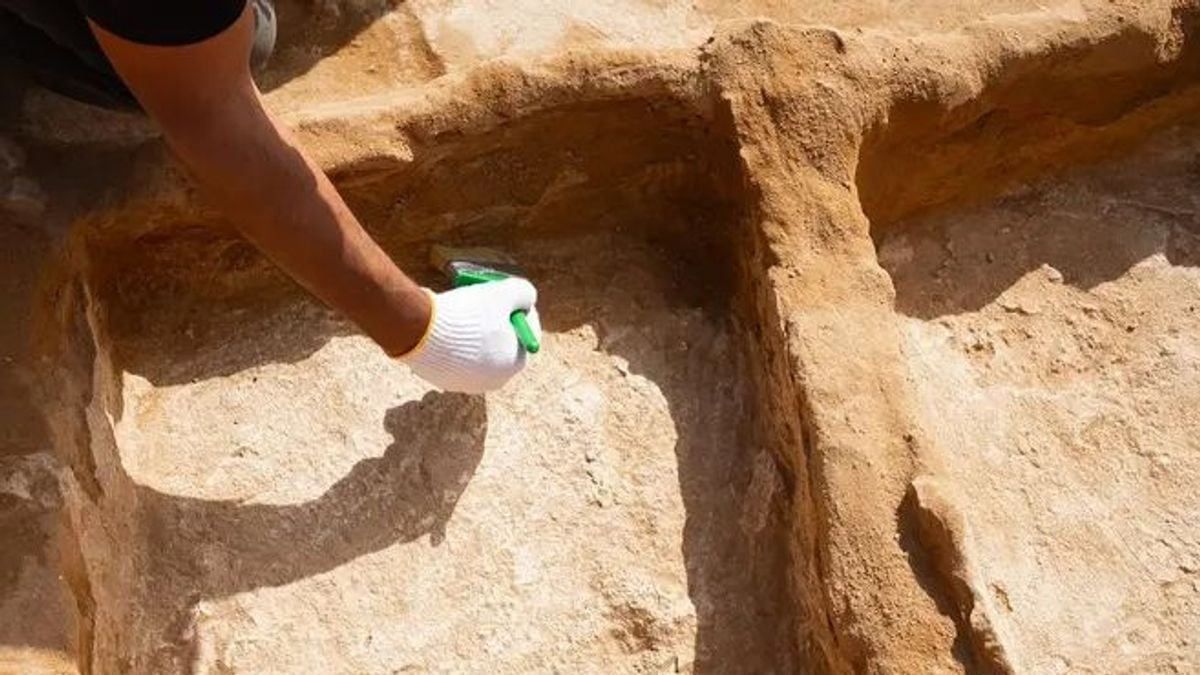
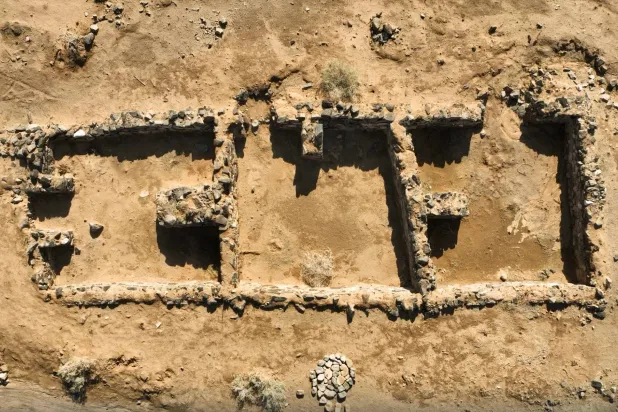
Discoveries: The discovery of a number of architectural features, consisting of 18 architectural units of varying sizes, including rooms and corridors, in addition to the recovery of a large number of movable archaeological finds, most notably a stone weight inscribed with its measurement in Jazm script as 'ratl', dating back to the first or second century AH.
Ornamental tools, including a fragment of a metal bracelet and a number of beads of various shapes and colors, in addition to fragments of vessels made of glazed pottery, plain pottery, and soapstone, along with a collection of glass bottle fragments and stone tools including millstones and pestles.
Archaeological evidence indicates that settlement in Halit dates back to the first century AH and may extend to the second century AH.
Original source: Al-Jazirah

Comments (0)
Be the first to comment.