Riyadh Parking Activates 3,600 Paid Parking Spots in Al Olaya District
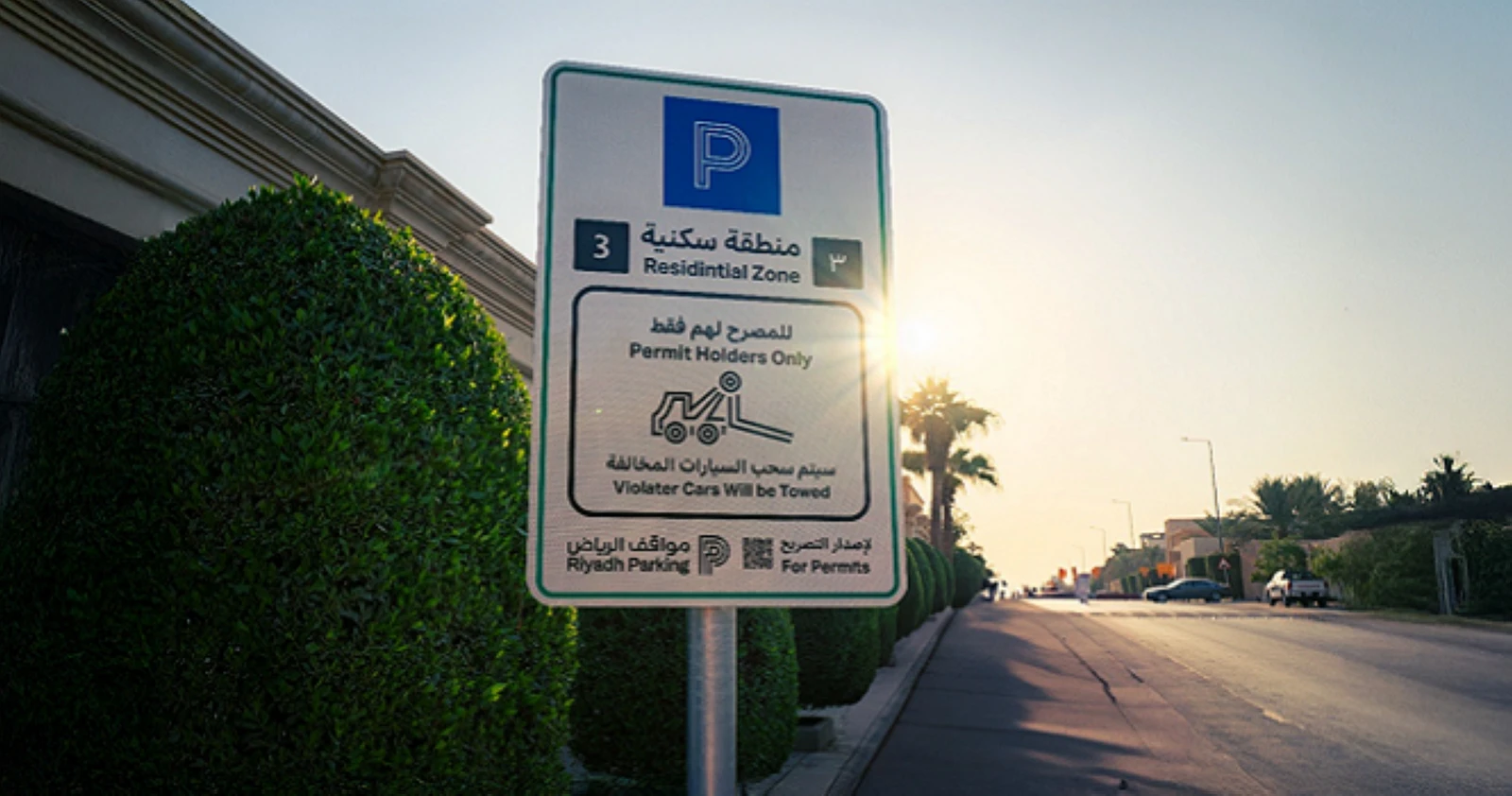
أعلنت شركة مواقف الرياض عن إطلاق 3600 موقف مدفوع في الشريط التجاري بحي العليا، ضمن توسعة منظومة تنظيم المواقف في العاصمة، بهدف تحسين الحركة المرورية والوصول إلى الوجهات التجارية.
Riyadh Parking announced the activation of more than 3,600 paid parking spots in the commercial strip of Al Olaya district starting Saturday, July 25, 2026, as a new step within the ongoing expansion of the public parking regulation system in Riyadh, contributing to improving the efficiency of parking utilization in vital areas, enhancing access to commercial destinations, and supporting traffic flow and mobility.
Parking fees can be paid via the 'Riyadh Parking' app.
The operational scope includes Al Olaya Street from Al Urubah Road to Makkah Al Mukarramah Road southbound, and King Fahd Road from Makkah Al Mukarramah Road to Al Urubah Road, in addition to several internal commercial streets in the area.
Riyadh Parking affirmed the continued application of the approved operating policy for paid parking, which includes operating hours from 8:00 a.m. to 12:00 midnight, Saturday to Thursday, with free parking on Fridays, and a free grace period of 15 minutes for short-term parking.
Parking fees can also be paid via the 'Riyadh Parking' app, self-service payment machines, or by scanning the QR code on the signboards, while the experimental monthly subscription service is not available within the operational scope in this area during the current phase.
This activation is part of the ongoing expansion of the Riyadh Parking system, contributing to improving the efficiency of parking utilization on commercial streets, enhancing parking near destinations, and reducing random parking, thereby improving traffic flow and the urban landscape.
Riyadh Parking had previously activated more than 25,000 paid parking spots on several vital streets and roads in Riyadh, in addition to activating more than 200,000 managed free parking spots within residential neighborhoods, designated for residents and their visitors, helping to reduce vehicle intrusion into residential areas and improve parking organization within neighborhoods.
It is noteworthy that Riyadh Parking began public parking regulation operations in Riyadh in August 2024, and its system includes organizing public parking on commercial streets and parking within residential neighborhoods, as well as developing off-street parking facilities and utilizing municipal assets in several vital locations, contributing to raising the efficiency of parking infrastructure, increasing supply, and keeping pace with the rapid growth witnessed by Riyadh.
Original source: Akhbaar24



Comments (0)
Be the first to comment.