Saudi-US Nuclear Agreement Expected to Open Door to Enrichment Under Strict Oversight

تتجه الولايات المتحدة والمملكة العربية السعودية نحو توقيع اتفاق للتعاون النووي المدني، يتيح للسعودية تخصيب اليورانيوم تحت رقابة مشددة، وسط نقاشات حول ضمانات منع الانتشار النووي وموافقة الكونغرس.
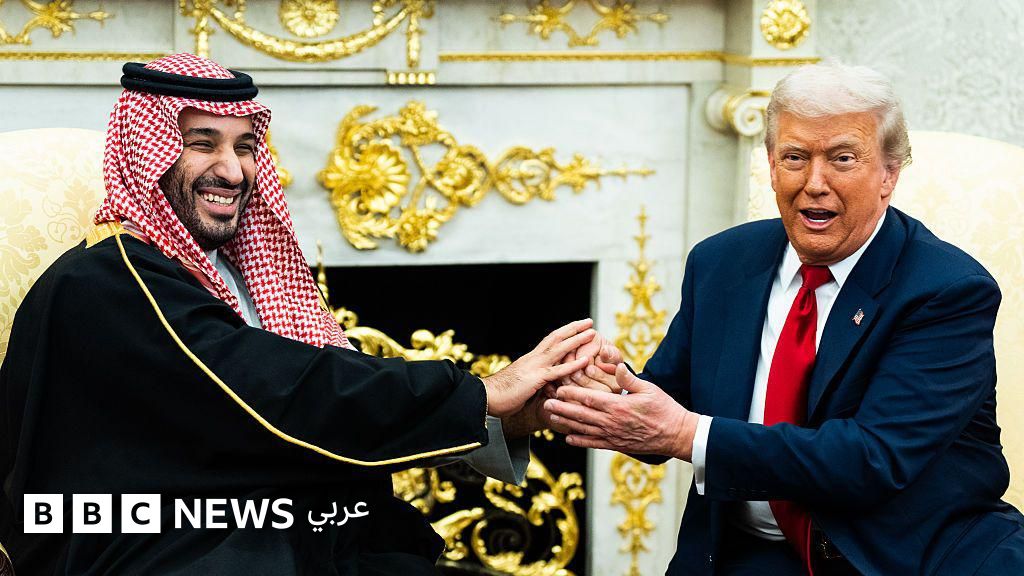
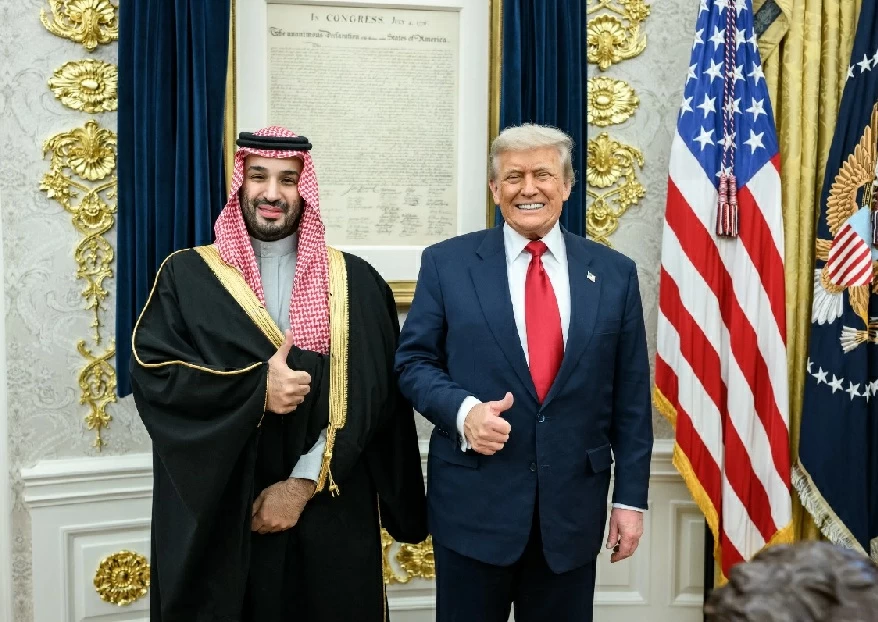
The United States and Saudi Arabia, according to the Associated Press citing informed sources, are preparing to sign a civilian nuclear cooperation agreement that could mark a significant shift in the strategic partnership between the two countries, amid discussions regarding the possibility of uranium enrichment within the Kingdom and the necessary safeguards to prevent nuclear proliferation.
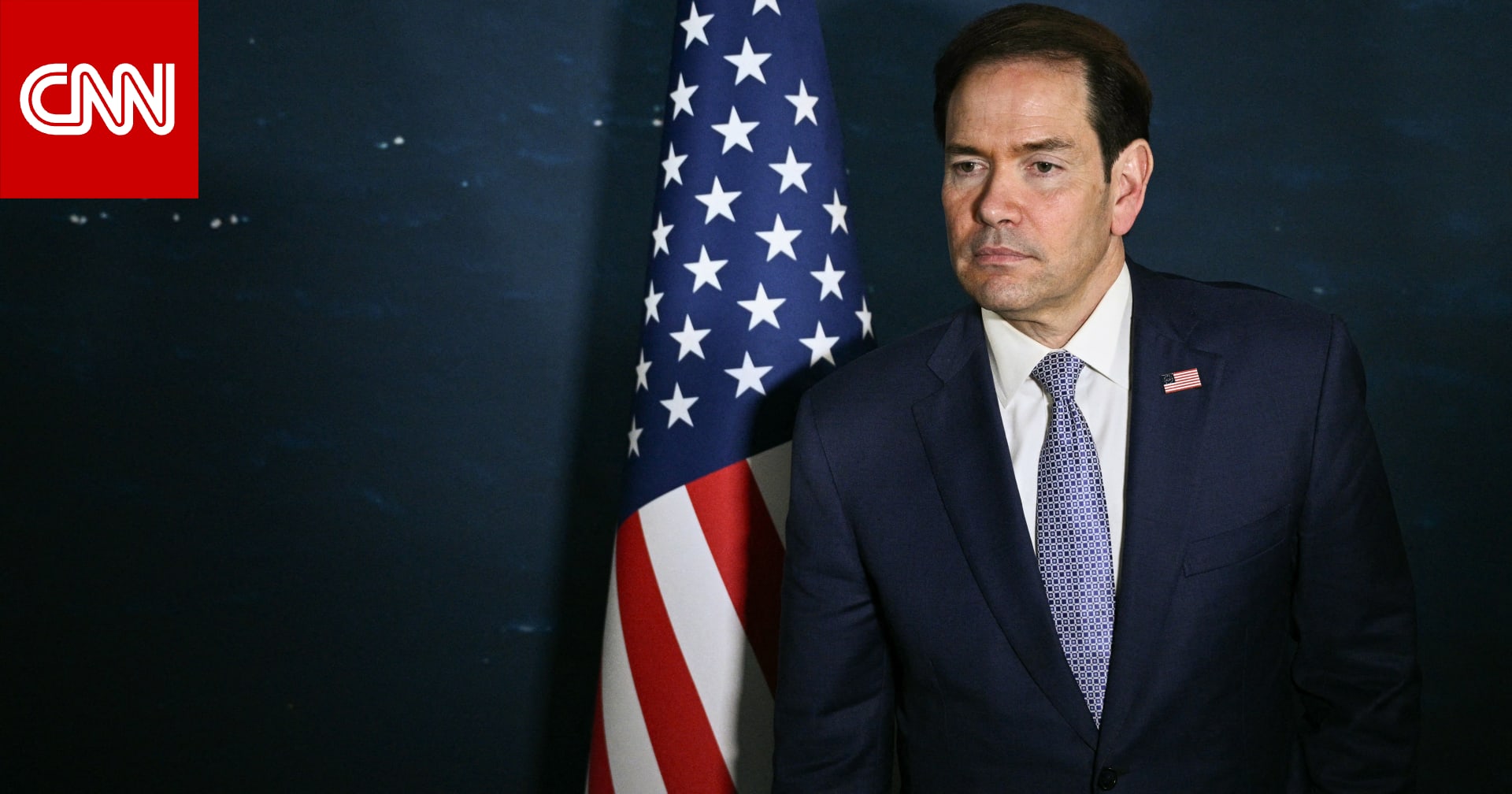
US Secretary of State Marco Rubio said his country will not sign any nuclear agreement that could lead to risks of nuclear weapons proliferation, without officially confirming the details of the anticipated agreement or the date of its announcement.
According to sources who spoke to the agency, the agreement could extend for about 30 years, allowing US companies to participate in developing the Saudi civilian nuclear program, with the possibility of establishing a uranium enrichment facility after a joint study between Riyadh and Washington.
The Associated Press indicated that the discussed formula of the agreement may not include the Additional Protocol of the International Atomic Energy Agency, which has raised questions among some non-proliferation experts, in addition to the possibility that the agreement may face extensive debate in the US Congress before its adoption.
By the time of the report's publication, no detailed official comment had been issued from the White House or Saudi authorities regarding the clauses mentioned by the agency, meaning some details remain attributed to undisclosed sources and have not yet been officially confirmed.
The civilian nuclear file represents one of the most prominent axes of potential cooperation between Saudi Arabia and the United States, given its connection to energy security, technology transfer, localization of advanced industries, in addition to its political, security, and diplomatic dimensions.
For the Kingdom, reaching such an agreement could support plans to diversify energy sources and develop local technical capabilities, but it will remain linked to the nature of regulatory safeguards, the terms of US cooperation, and the position of legislative institutions in Washington.
These developments gain particular importance amid the expansion of the Saudi-US partnership to include defense, energy, investment, and technology files, making the potential nuclear agreement part of broader strategic understandings between the two countries.
Original source: Sabq


Comments (0)
Be the first to comment.