American strikes isolate Bandar Abbas and threaten half of Iran's trade

The British newspaper The Telegraph revealed that American strikes on bridges and infrastructure in Iran have isolated the coastal city of Bandar Abbas from the rest of the country, threatening to cut off nearly half of Iran's total trade.
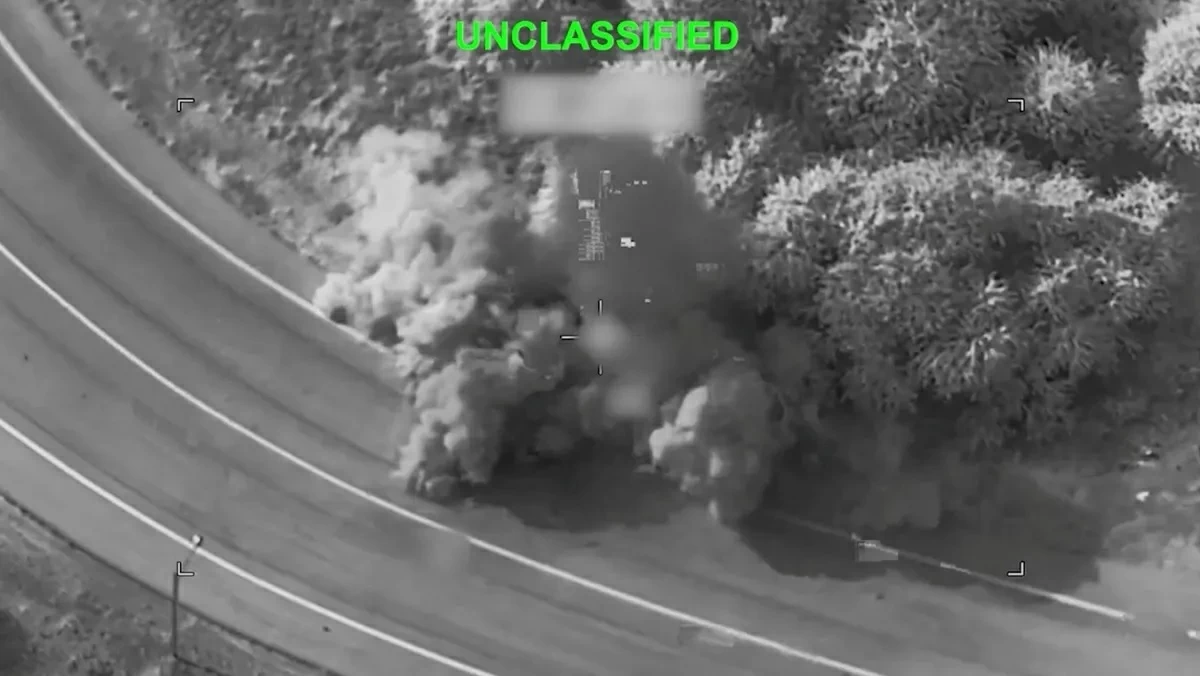
The newspaper explained that the US bombing destroyed bridges and the railway network that connected Bandar Abbas to the rest of the country, a city that hosts Iran's main naval base overlooking the Strait of Hormuz.
The newspaper quoted former Pentagon official Michael Rubin as saying that the administration of US President Donald Trump is increasingly inclined to view isolating Bandar Abbas as "necessary to restore navigation in the Strait of Hormuz," adding: "They have no choice if they want to end this."
Rubin considered that Iran's continued targeting of commercial ships despite repeated US strikes led the Pentagon to conclude that limited military options are no longer sufficient, and that the strategic isolation of the city may be the only way to secure navigation in this vital waterway.
However, the newspaper warned that these strikes could raise serious questions under international humanitarian law, as the Geneva Conventions require a clear distinction between military targets and civilian infrastructure.
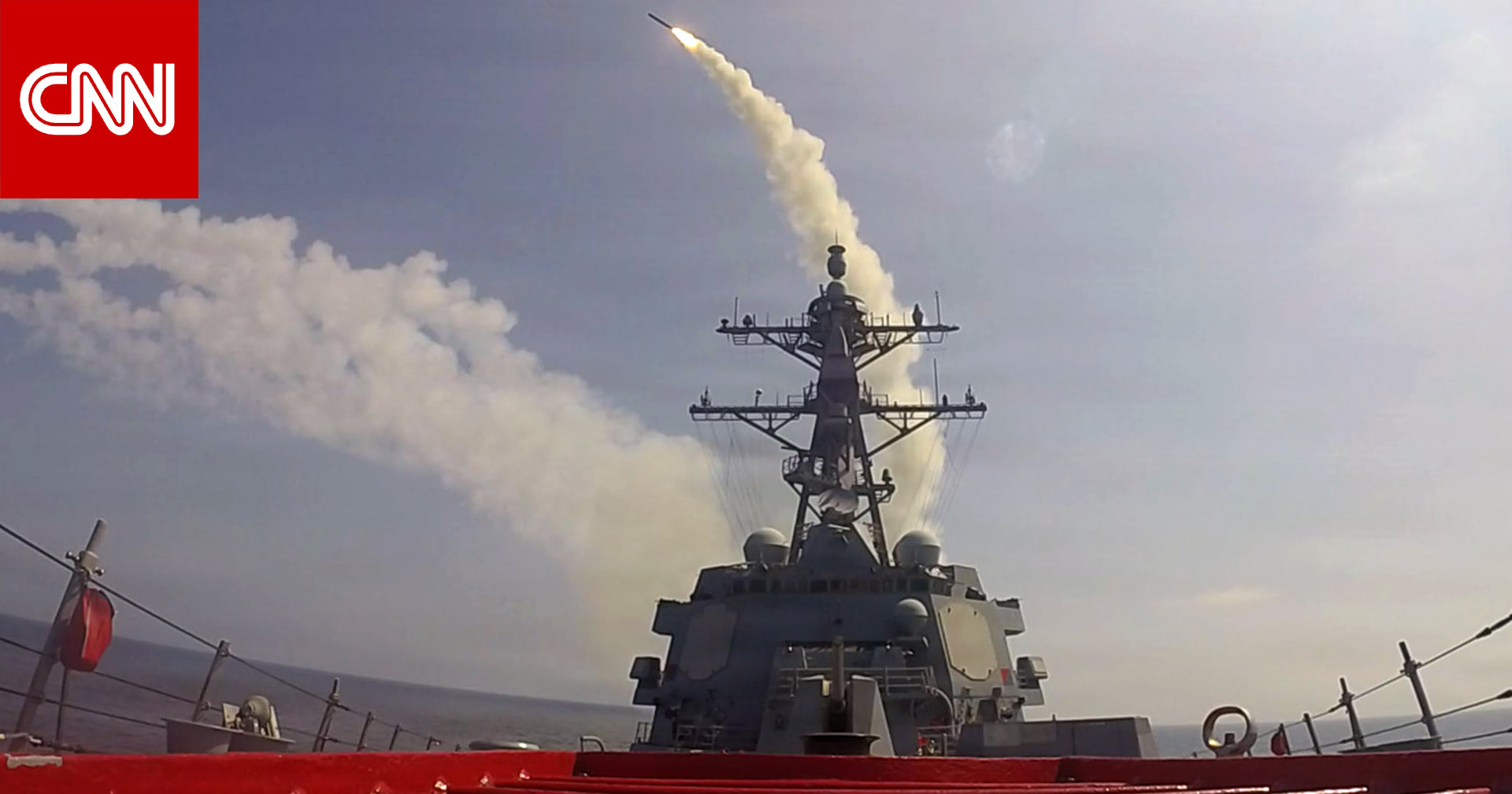
These developments come amid ongoing military escalation, as US Central Command announced the launch of the seventh round of strikes on Iran. In response, Iranian Deputy Foreign Minister Kazem Gharibabadi announced that Tehran has suspended its commitments under the memorandum of understanding with the United States on ending the conflict.
On the diplomatic front, Russian Foreign Minister Sergey Lavrov held a phone call with UAE Foreign Minister Abdullah bin Zayed Al Nahyan, during which they discussed the situation in the Gulf region in an effort to contain the repercussions of the escalating tensions.
Original source: Sabq


Comments (0)
Be the first to comment.