Saudi Arabia condemns Houthi allegations and affirms support for Yemen and protection of its security and ships
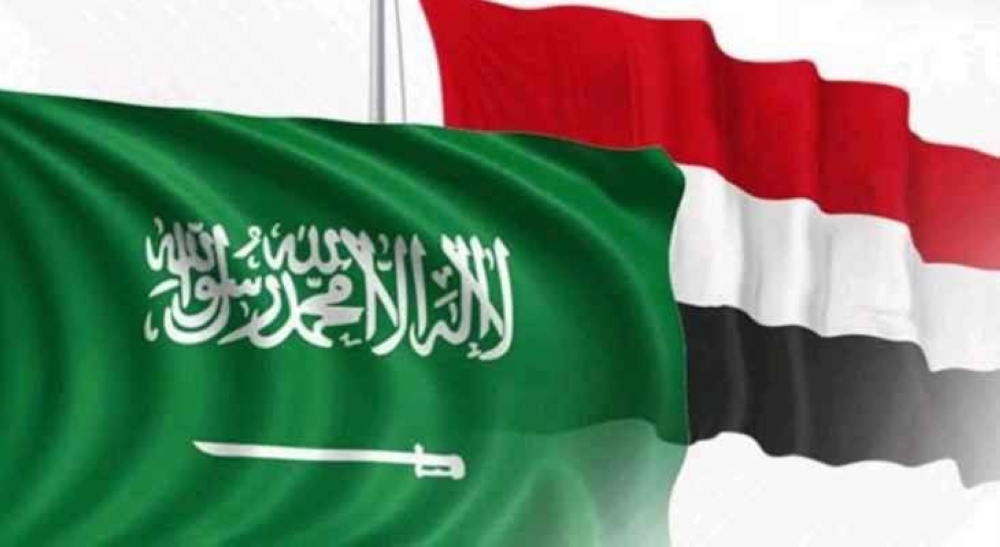
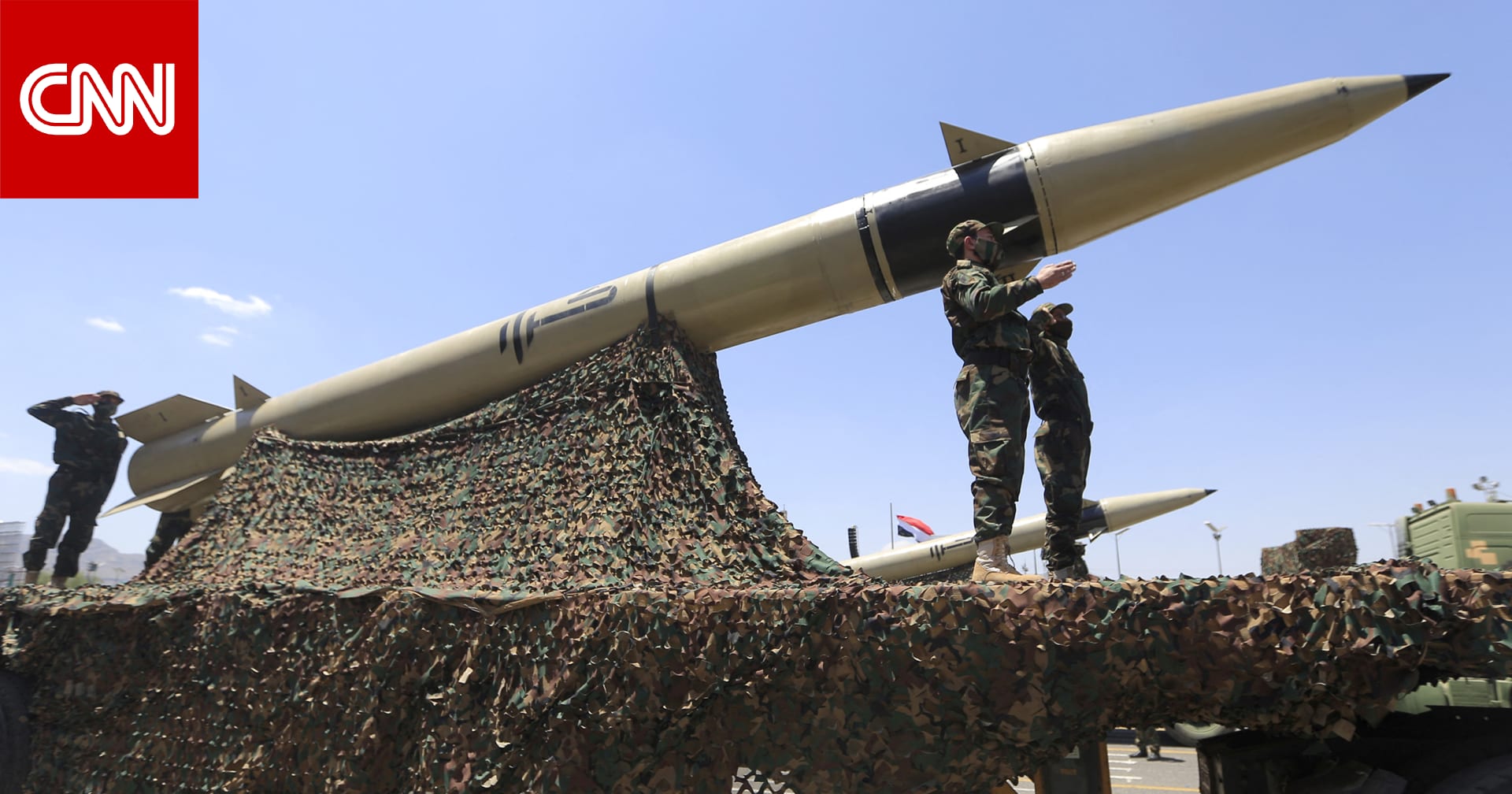
Saudi Arabia strongly condemned the false allegations and baseless accusations of the terrorist Houthi militia and its involvement in a regional conflict to support its sinister agenda and goals; which has contributed to deepening the suffering of the brotherly Yemeni people and threatening regional security and stability. It renewed its affirmation of continued support for Yemen and its legitimate government, and taking firm measures to protect its security and ships in accordance with international law and the United Nations Convention on the Law of the Sea of 1982.
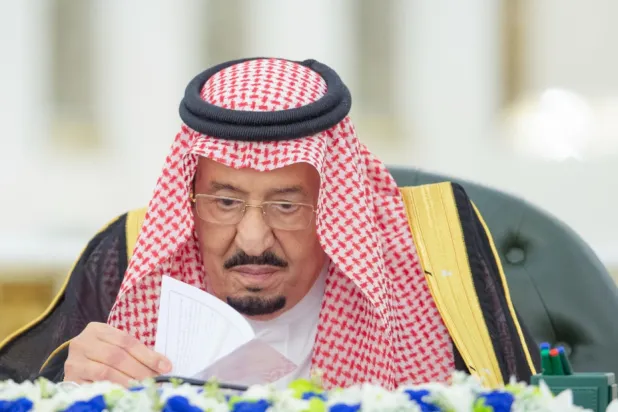
During its session chaired by the Custodian of the Two Holy Mosques King Salman bin Abdulaziz on Tuesday, the Council renewed Saudi Arabia's solidarity and full support for Kuwait, Bahrain, and Jordan in the measures they are taking against the brutal Iranian aggressions that violate international law and principles of good neighborliness, and emphasized the importance of an immediate halt to all forms of military escalation to preserve the stability of the region's countries and peoples.
At the beginning of the session, the Cabinet was briefed on the content of the telephone call received by Crown Prince and Prime Minister Prince Mohammed bin Salman from Lebanese President Joseph Aoun, during which Saudi Arabia's supportive positions for Lebanon and its efforts to achieve stability and peace in the region were appreciated.
The Council followed the latest developments and events on the regional scene and their repercussions on international peace and security, renewing Saudi Arabia's solidarity and full support for Kuwait, Bahrain, and Jordan in the measures they are taking against the brutal Iranian aggressions that violate international law and principles of good neighborliness.
The Council discussed the outcomes of the Kingdom's active participation in international meetings and forums. (SPA)
Minister of Human Resources and Social Development and Acting Minister of Media, Engineer Ahmed Al-Rajhi, explained that the Cabinet then discussed the outcomes of the Kingdom's active participation in international meetings and forums, praising in this context the joint national efforts and their contributions to the success of participation in the High-Level Political Forum for the year 2026 held at the United Nations, and what the 'Third Voluntary National Review' report reflected of continuous progress in achieving the Sustainable Development Goals, especially in the areas of supporting water security, expanding renewable energy, improving access to healthcare services, developing digital government, and thriving industrial development, in addition to inclusive economic growth.
The Council touched on the contents of the United Nations General Assembly high-level meeting on the urban agenda, which highlighted the Kingdom's successes and achievements in building more sustainable and livable cities by increasing the rate of Saudi families' homeownership, increasing per capita share of public spaces and facilities, developing the mobility system, and expanding community participation in the development process.
The Cabinet reviewed a set of reports, statistics, and indicators related to the national economy and the contribution of Saudi Arabia's reforms and policies to achieving a positive impact on growth rates; including the stabilization of the annual inflation rate at 1.8 percent in the past period, continuing to record low levels compared to many advanced and emerging economies.
The Council noted Saudi Arabia's progress to the 13th place globally among the largest economies attracting foreign direct investment in 2025, according to the United Nations Conference on Trade and Development report, affirming that this achievement reflects the advanced position the Kingdom has established as a global destination for investment, and the effectiveness of economic reforms, and growing investor confidence in the investment environment, supported by growth in net foreign direct investment inflows by 53 percent to reach $32.6 billion, and increased competitiveness of strategic sectors, most notably energy, infrastructure, technology, advanced industries, and logistics services.
The Cabinet reviewed the items on its agenda, including topics that the Shura Council participated in studying. It also reviewed the outcomes of the Political and Security Affairs Council, the Economic and Development Affairs Council, the General Committee of the Cabinet, and the Experts Authority of the Cabinet.
The Council decided during its session to authorize the Minister of Interior - or his deputy - to negotiate with the Maldivian side regarding a draft memorandum of understanding between the Saudi Ministry of Interior and the Maldives Police Service in the field of scientific, training, and research activities, and to sign it; and to authorize the Minister of Foreign Affairs - or his deputy - to negotiate with the Australian side regarding a draft memorandum of understanding on political consultations between the Saudi Ministry of Foreign Affairs and the Department of Foreign Affairs and Trade of the Commonwealth of Australia, and to sign it.
The Council also authorized the Minister of Culture, Chairman of the Board of Directors of the Museums Authority - or his deputy - to negotiate with the Jordanian side regarding a draft memorandum of understanding for cooperation in the field of museums between the Authority and the Department of Antiquities in Jordan, and to sign it; and authorized the Minister of Commerce, Chairman of the Board of Directors of the Saudi Standards, Metrology and Quality Organization - or his deputy - to negotiate with the Chinese side regarding a draft memorandum of understanding on cooperation concerning technical barriers to trade between the Organization and the State Administration for Market Regulation of the People's Republic of China, and to sign it.
The Council approved a memorandum of understanding between the General Directorate of Financial Investigation under the Presidency of State Security of Saudi Arabia and the Financial Intelligence Service of the Federal Democratic Republic of Ethiopia for cooperation in the exchange of information related to combating money laundering, related crimes, and terrorist financing; and a memorandum of understanding for cooperation in the peaceful use of outer space between the Saudi Space Agency and the United Nations; and a memorandum of understanding between the National Center for Non-Profit Sector Development in Saudi Arabia and the Regulatory Authority for Charitable Activities in Qatar for cooperation in the non-profit sector; and the unified rules for owners of common properties in the Gulf Cooperation Council countries.
The Council transferred the competence to issue permits for import, export, re-export, and clearance of chemicals traded in local markets - as stipulated in the Chemicals Management System - from the Ministry of Commerce to each of: the Ministry of Interior, the High Commission for Industrial Security, the Ministry of Industry and Mineral Resources, and the Saudi Food and Drug Authority.
The Council approved the mechanism for integrating roles between the Nuclear and Radiological Regulatory Commission and the National Center for Cancer at the Saudi Health Council to meet nuclear and radiological regulatory requirements.
The Council adopted the final accounts of the General Authority for Survey and Geospatial Information, the National Center for Competitiveness (formerly), and the universities of: Umm Al-Qura, King Abdulaziz, Imam Abdulrahman bin Faisal, Hafr Al-Batin, and Jeddah, for previous fiscal years.
It issued necessary directives regarding a number of items on the Cabinet's agenda, including annual reports of the Prince Mohammed bin Salman Park Foundation, and the universities of: Imam Abdulrahman bin Faisal, Qassim, Tabuk, and Saudi Electronic University.
Original source: Asharq Al-Awsat
Comments (0)
Be the first to comment.