Jordan intercepts 3 missiles coming from Iran
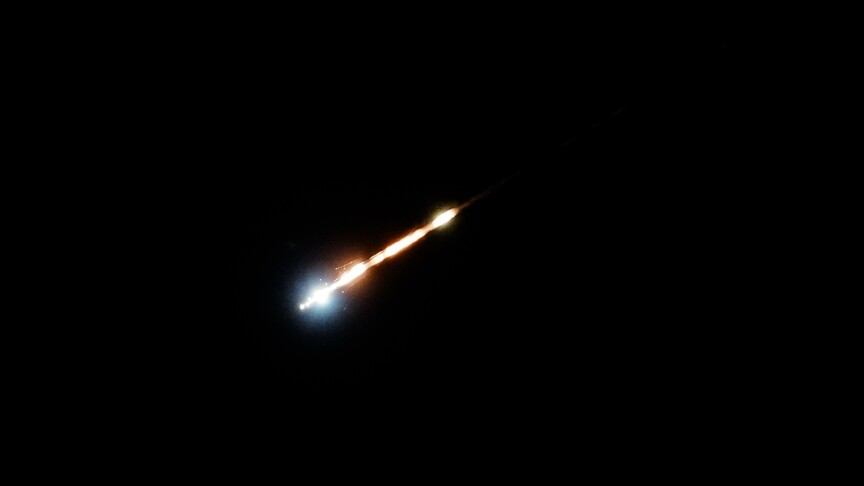
The interception operation resulted in no casualties or damage, according to the army.
AMMAN / Laith al-Junaidi / Anadolu
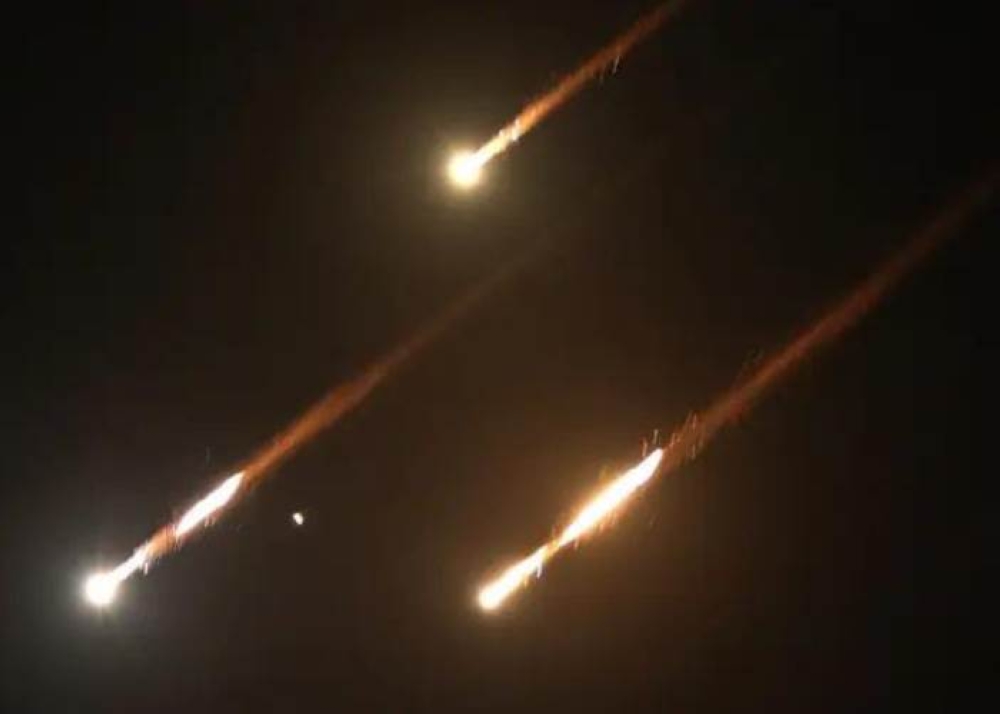
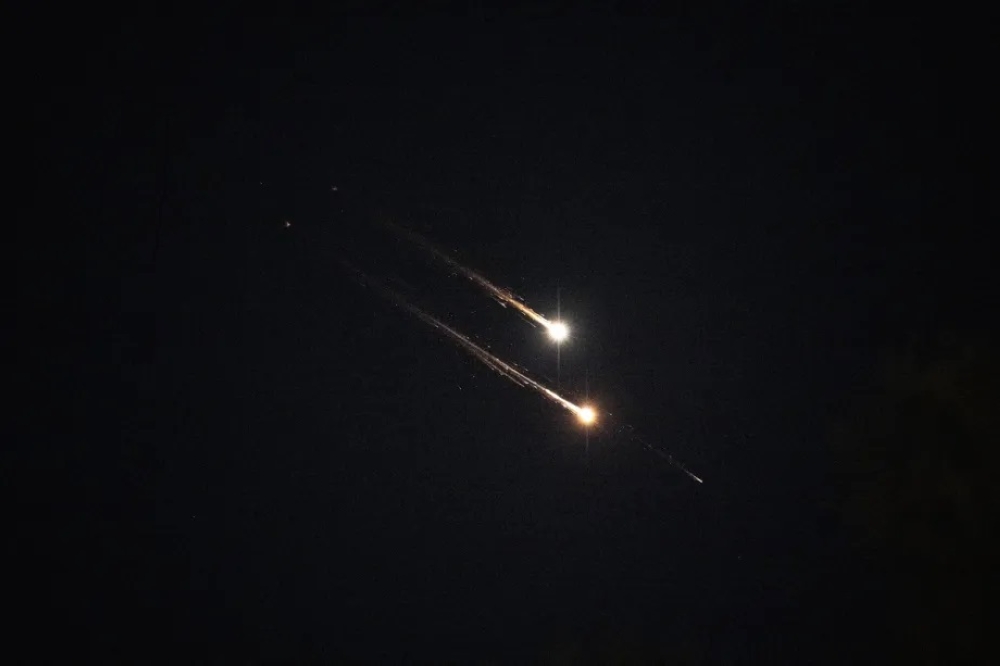
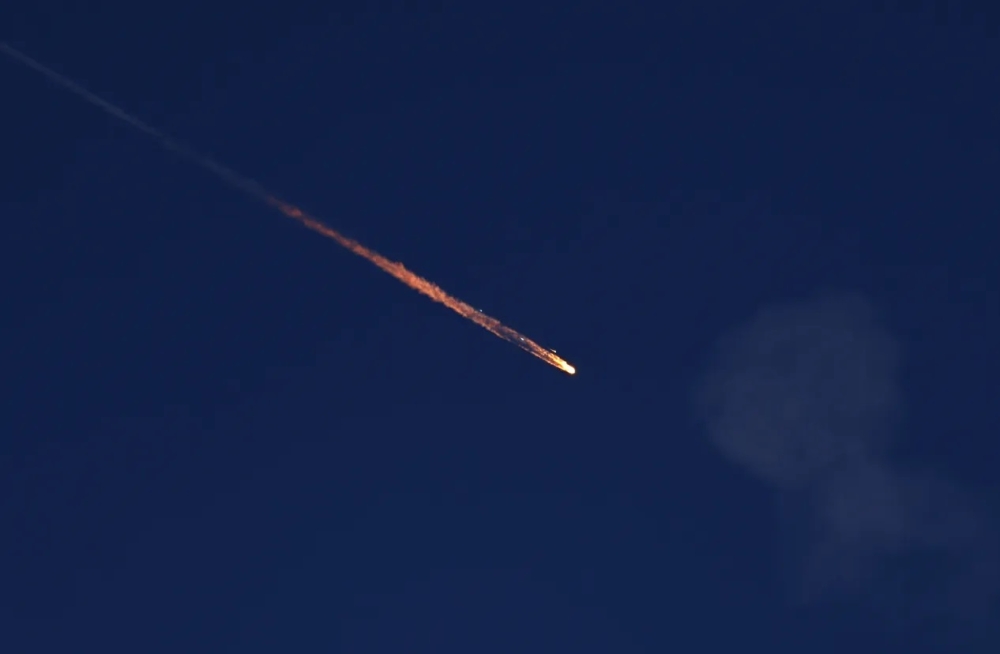
The Jordanian army announced on Monday evening that it had shot down 3 missiles coming from Iranian territory after they entered the kingdom's airspace.
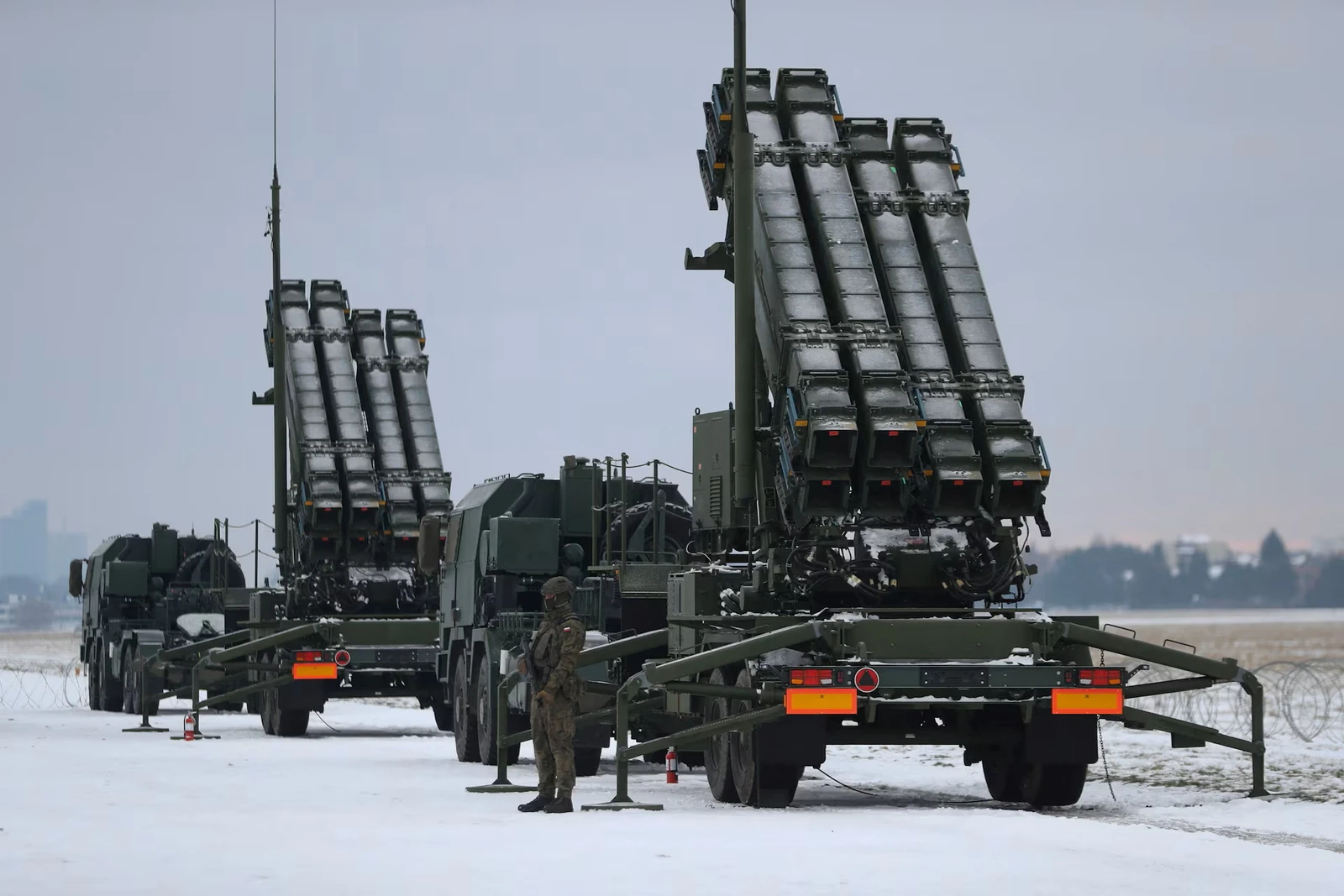
The army quoted a military source described as 'responsible' in a statement saying that 'air defense systems intercepted and shot down tonight 3 missiles coming from Iranian territory that entered Jordanian airspace and targeted the kingdom's territory.'
He added that the interception and downing operation resulted in no human casualties or material damage.
He explained that teams from the Royal Engineering Corps began their tasks at the sites of shrapnel falls, handling and securing them according to technical and security procedures in place.
The source confirmed that the armed forces continue to monitor the kingdom's airspace and maintain their operational readiness.
He stressed that they 'will not be lenient in dealing with any threat to the kingdom's security, sovereignty, and the safety of its citizens, according to the rules of engagement in place.'
Jordan, along with Arab countries, has recently been subjected to attacks that Tehran said targeted US military installations in response to daily attacks Washington launches against Iran.
On Saturday, the US Central Command (CENTCOM) announced the death of two American soldiers and the loss of a third during the response on Friday to Iranian attacks with ballistic missiles and drones in Jordan.
In an update on Sunday, the command said it found unidentified remains at the attack site, and procedures for examination and verification are still ongoing.
The confrontation between Washington and Tehran entered its second week, as US President Donald Trump announced on July 8 of this month the end of the ceasefire stipulated in the memorandum of understanding signed on June 18, 2026.
Trump's announcement came after Iran targeted 3 commercial ships in the Strait of Hormuz, as Tehran insists on imposing a mechanism to regulate ship passage through the strategic waterway, while Washington demands what it says is ensuring freedom of navigation and its security in the strait.
The escalation has disrupted navigation through the Strait of Hormuz, threatened aviation and energy supplies, amid intermittent airspace closures and warnings of targeting US installations and interests outside the Middle East.
Original source: Anadolu Agency


Comments (0)
Be the first to comment.