Katz: If Iran Attacks Us, We Will Respond Without Ties to Any Other Factor
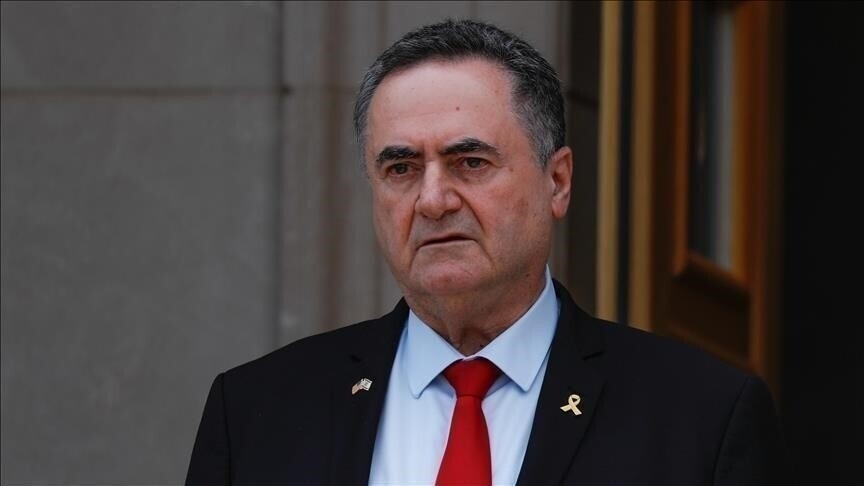
The defense minister's remarks came after an Israeli army statement reported detecting missile launches from Iran toward Aqaba, warning of the possible fall of some projectiles or their fragments inside Israel...
ISTANBUL / Khaled Youssef / Anadolu Agency
Israeli Defense Minister Israel Katz threatened Iran on Sunday that if it attacks Tel Aviv, it will be responded to "without any connection to any other factor and without any conditions."
Katz's remarks came during his visit to the "Zaka" organization, a rescue and relief organization in Tel Aviv, following the fall of fragments of missiles launched from Iran towards the city of Aqaba in southern Jordan, according to Israel's Channel 12.
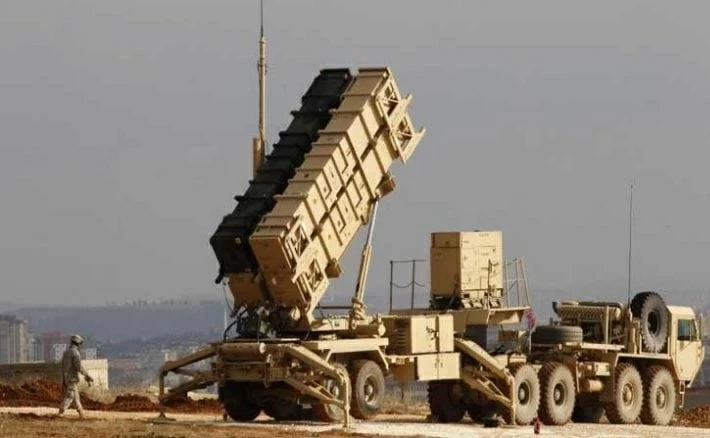
Katz said: "If Iran attacks Israel, we will respond and attack in return without any connection and without any conditions, and the first thing we will do there is target the missile launchers."
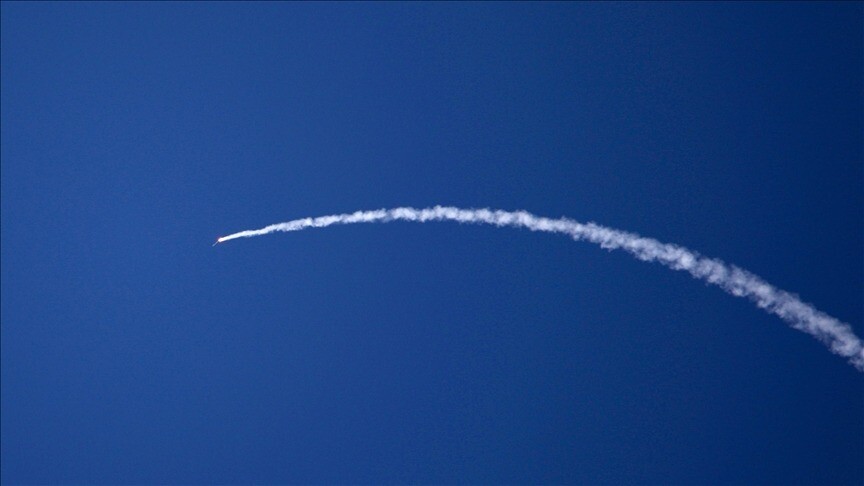
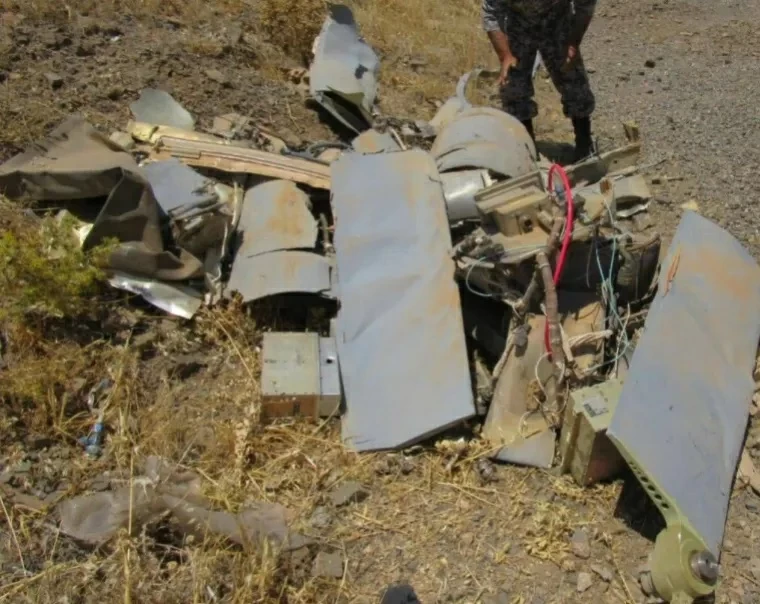
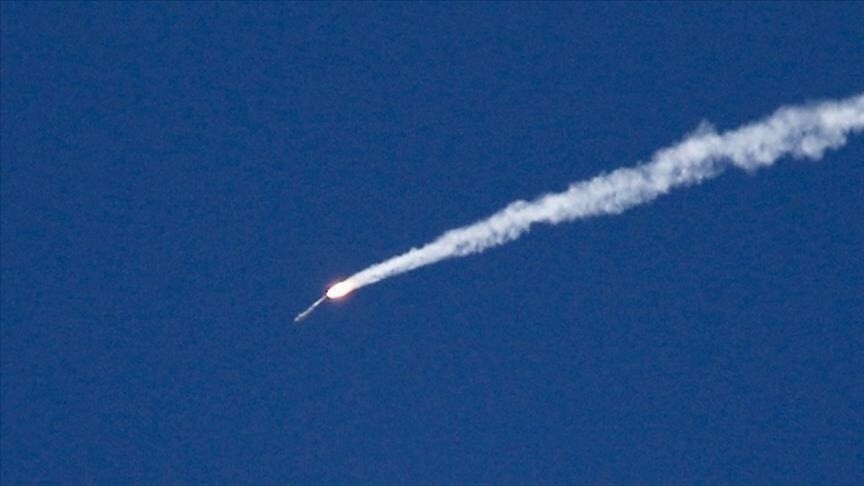
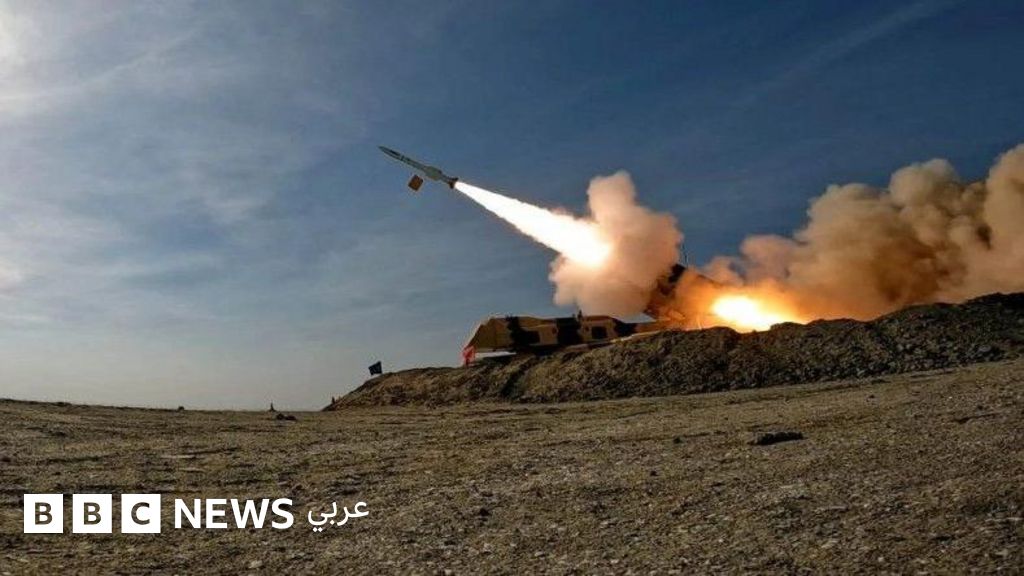
Earlier on Sunday, the Jordanian army announced that it intercepted and shot down three Iranian missiles out of four that targeted the kingdom's territory, while the fourth missile fell in a remote area in the south of the country without any casualties or damage.
Meanwhile, Hebrew media reported hearing explosions in the Aqaba and Eilat areas as a result of aerial interception operations.
Meanwhile, the Israeli army said in a statement that it detected missile launches from Iran towards Aqaba, warning of the possible fall of some projectiles or their fragments inside Israel.
In a later statement, the Israeli army reported that "after the sounding of sirens in Jordan, several interceptor missiles were launched towards the debris of an intercepted missile," according to the Hebrew newspaper Yedioth Ahronoth.
Israel's private Channel 12 said that air traffic was affected at Ramon Airport in the city of Eilat.
For its part, the private Hebrew Channel 13 reported that American refueling aircraft were evacuated from the airport following the attack, without providing further details.
The confrontation between Washington and Tehran entered its second week, as US President Donald Trump announced on July 8 that the ceasefire stipulated in the memorandum of understanding signed on June 18, 2026 had ended.
Trump's announcement came after Iran targeted three commercial ships in the Strait of Hormuz, as Tehran insists on imposing a mechanism to regulate the passage of ships through the strategic waterway, while Washington demands what it says is guaranteeing freedom of navigation and its security in the strait.
The escalation caused disruption to navigation through the Strait of Hormuz and threats to air traffic and energy supplies, amid intermittent closures of airspace and warnings of targeting US facilities and interests outside the Middle East.
Original source: Anadolu Agency

Comments (0)
Be the first to comment.