Israel: Shrapnel Falls Near Eilat from Interception of Iranian Missiles Toward Jordan
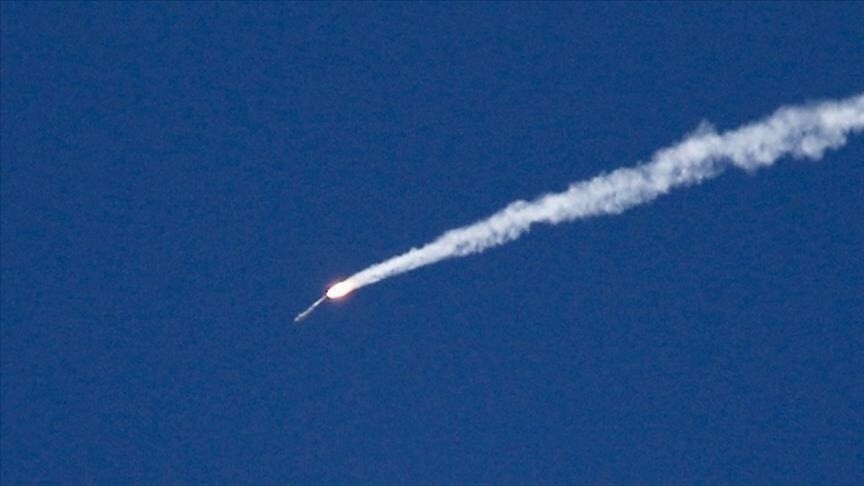
According to an Israeli army statement, the shrapnel fell in an open area..
JERUSALEM / Said Amouri / Anadolu
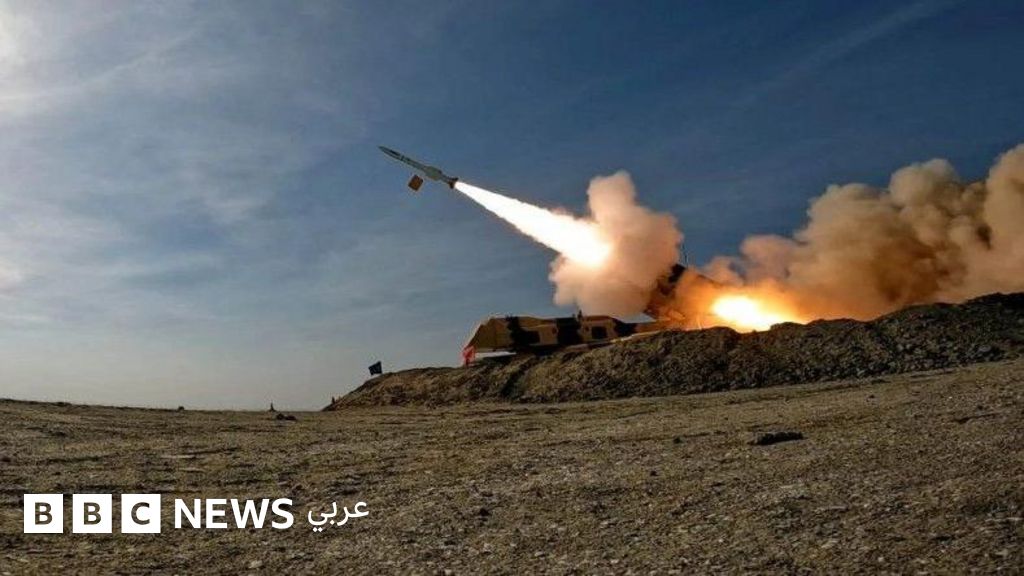
The Israeli army announced on Sunday that shrapnel from an interceptor missile fell in an open area near the southern city of Eilat, after missiles were launched from Iran toward Jordan.
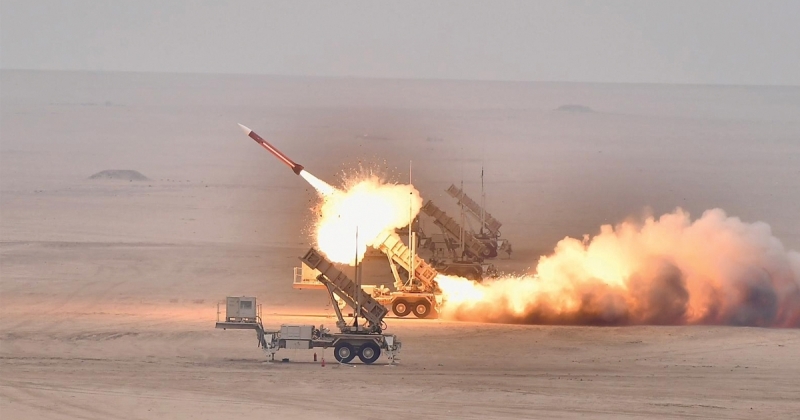
The army said in a statement: 'Following the launches carried out toward Jordan, several interceptor missiles were launched toward the interception shrapnel to rule out the possibility of the shrapnel falling on Israeli territory.'
It claimed: 'As a result, parts of an interceptor missile were identified that fell in an open area near the city of Eilat, with no damage or injuries.'
The army statement said that no alerts were issued and the incident has ended, clarifying that 'there is no change in the directives of the Home Front Command.'
Hebrew media reported hearing explosions in the Aqaba and Eilat areas as a result of aerial interceptions.
The Jordanian army announced on Sunday that it intercepted and shot down three out of four Iranian missiles that targeted the kingdom's territory, while the fourth missile fell in a remote area in the south of the country, with no injuries or damage reported.
The source clarified that the incident did not result in any human casualties or material damage.
The army's announcement came hours after sirens sounded in several Jordanian governorates, coinciding with reports of Iranian missiles being launched toward the Aqaba governorate in the south of the kingdom.
Prior to that, the US Embassy in Amman advised its citizens to avoid traveling to Aqaba Airport and its seaport due to what it described as a security threat.
Jordan, along with Arab countries, has recently been subjected to attacks that Tehran said targeted US military facilities, in response to daily attacks by Washington on Iran.
On Saturday, the US Central Command (CENTCOM) announced the death of two US soldiers and the loss of a third in Jordan on Friday, while repelling Iranian attacks using ballistic missiles and drones.
The confrontation between Washington and Tehran entered its second week, as US President Donald Trump announced on July 8 of this month the end of the ceasefire stipulated in the memorandum of understanding signed on June 18, 2026.
Trump's announcement came after Iran targeted three commercial ships in the Strait of Hormuz, as Tehran insists on imposing a mechanism to regulate the passage of ships through the strategic waterway, while Washington demands what it says is ensuring freedom of navigation and its security in the strait.
The escalation has disrupted navigation through the Strait of Hormuz and threatens air traffic and energy supplies, amid intermittent closures of airspace and warnings of targeting US facilities and interests outside the Middle East.
Original source: Anadolu Agency

Comments (0)
Be the first to comment.