UAE President Discusses 'Dangerous Developments' in the Region with Oman's Sultan
UAE President Discusses 'Dangerous Developments' in the Region with Oman's Sultan
Istanbul / Anadolu
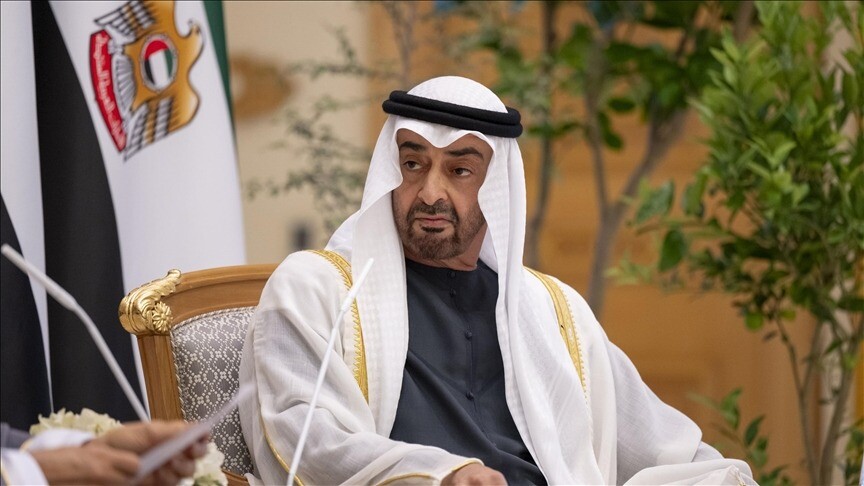
UAE President Mohammed bin Zayed Al Nahyan discussed with Oman's Sultan Haitham bin Tariq the 'dangerous developments' in the Middle East region and the efforts being made regarding them.
This came during a phone call between the two leaders on Thursday, according to the Emirates News Agency (WAM).
The agency indicated that the two sides discussed during the call 'brotherly relations, various aspects of cooperation and joint work, and ways to enhance them to serve the common interests of the two brotherly countries.'
They also addressed 'a number of regional and international issues of common interest and exchanged views on them, most notably the dangerous developments in the Middle East region and the efforts being made regarding them,' according to the agency.
The agency did not provide further details on the nature of the efforts the two sides discussed regarding the 'dangerous developments' in the region.
The call comes amid rising tensions in the region in the context of the US-Israeli war against Iran and the accompanying sporadic escalations, and the continuation of regional and international consultations aimed at containing its repercussions and enhancing stability.
Earlier on Thursday, the US Central Command (CENTCOM) said in a statement that its forces launched strikes targeting coastal defense and cruise missile sites on the Iranian island of Greater Tunb, disputed with the UAE, during a 90-minute wave.
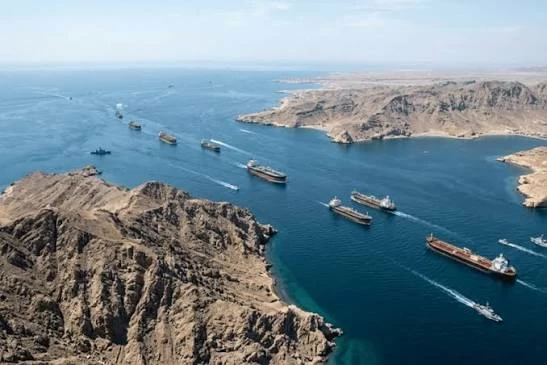
CENTCOM says the strikes aim to continue 'undermining Iran's ability to threaten sailors operating on commercial vessels transiting the Strait of Hormuz.'
Tehran has been responding for days by bombing what it says are US military installations in Arab countries, including Kuwait, Bahrain, and Jordan, while some of these countries have announced that the Iranian attacks resulted in civilian casualties and damage to civilian facilities.
On June 18, Washington and Tehran signed a memorandum of understanding that included a ceasefire, and began negotiations mediated by Pakistan and Qatar to end the war launched by the United States and Israel against Iran on February 28.
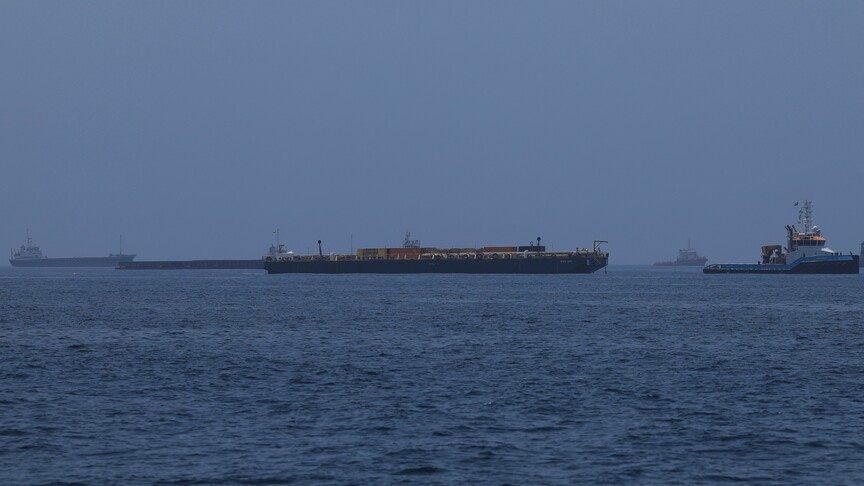
However, US President Donald Trump announced on July 8 the end of the ceasefire due to renewed escalation, after Iran attacked three ships the day before while they were transiting the Strait of Hormuz, claiming they did not adhere to the navigation route it had set, prompting Washington to launch attacks on sites inside Iran.
Washington supports the passage of commercial ships through the Strait of Hormuz on a route different from the one set by Iran, which Tehran rejects, stressing that it targets any ship that does not coordinate with it before crossing the strategic waterway for global energy supplies.
Original source: Anadolu Agency


Comments (0)
Be the first to comment.