Analysis: Has Jordan Become Part of Iran's War in the Region?
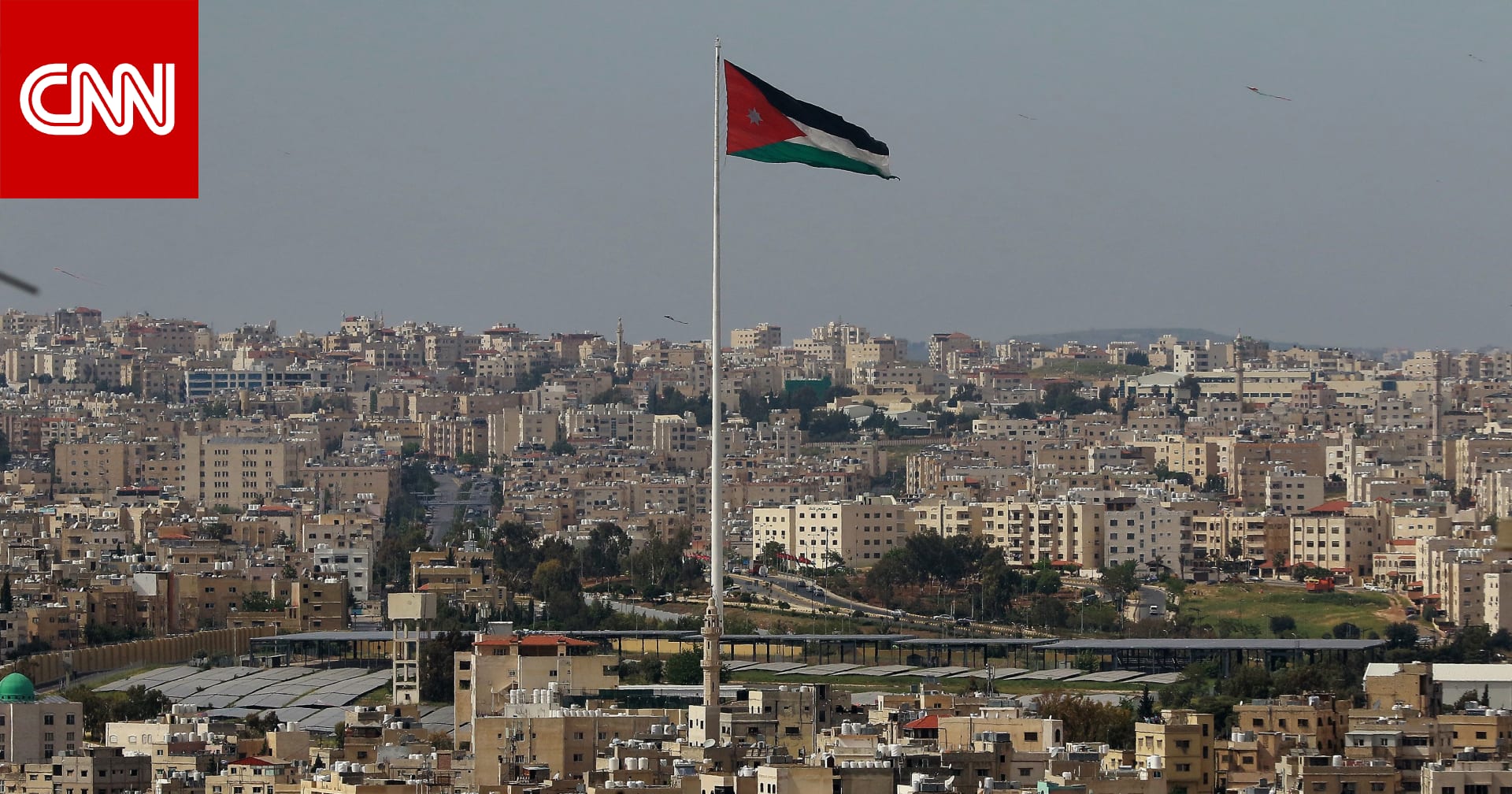
Credit: KHALIL MAZRAAWI/AFP via Getty Images
Hadeel Ghboun
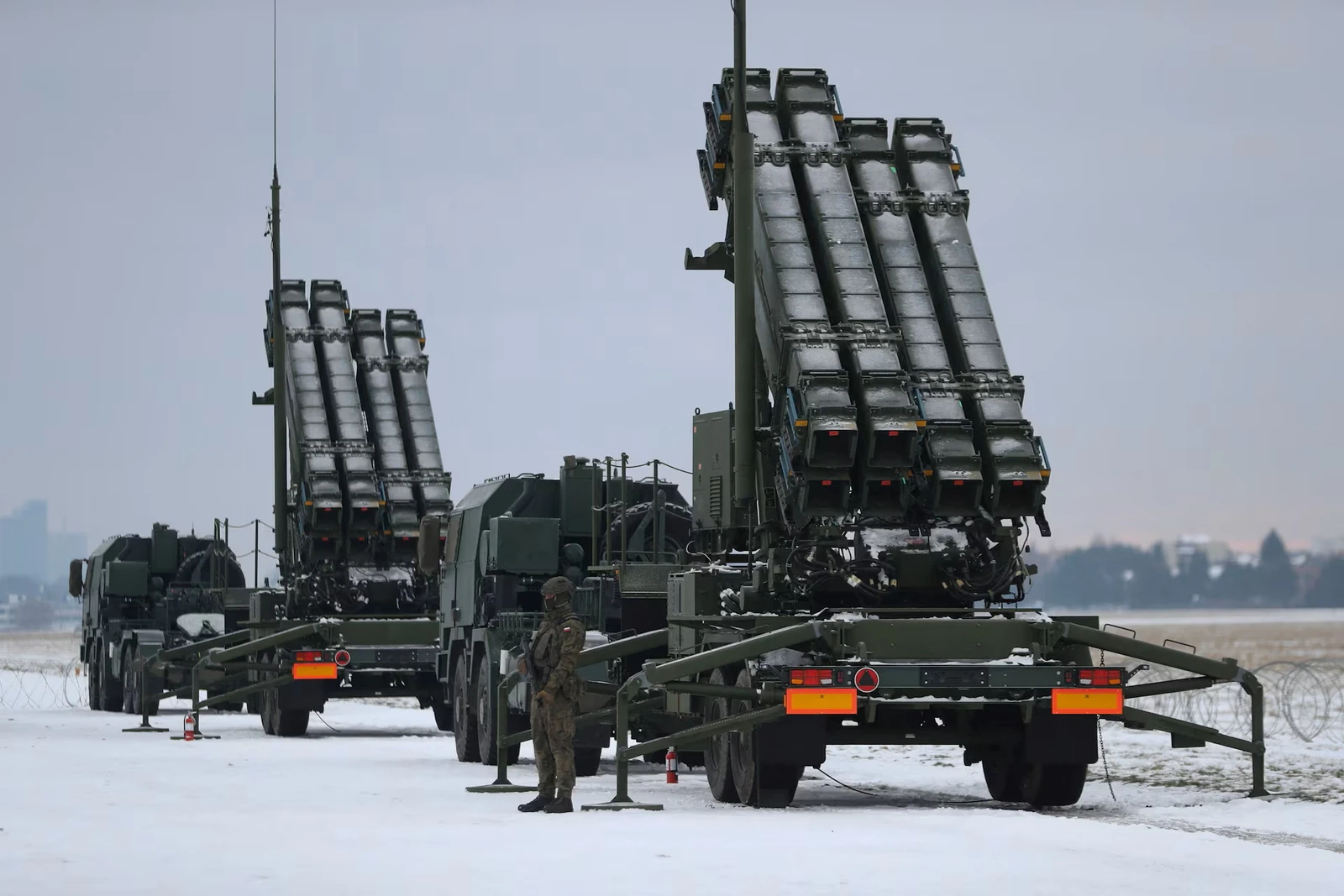
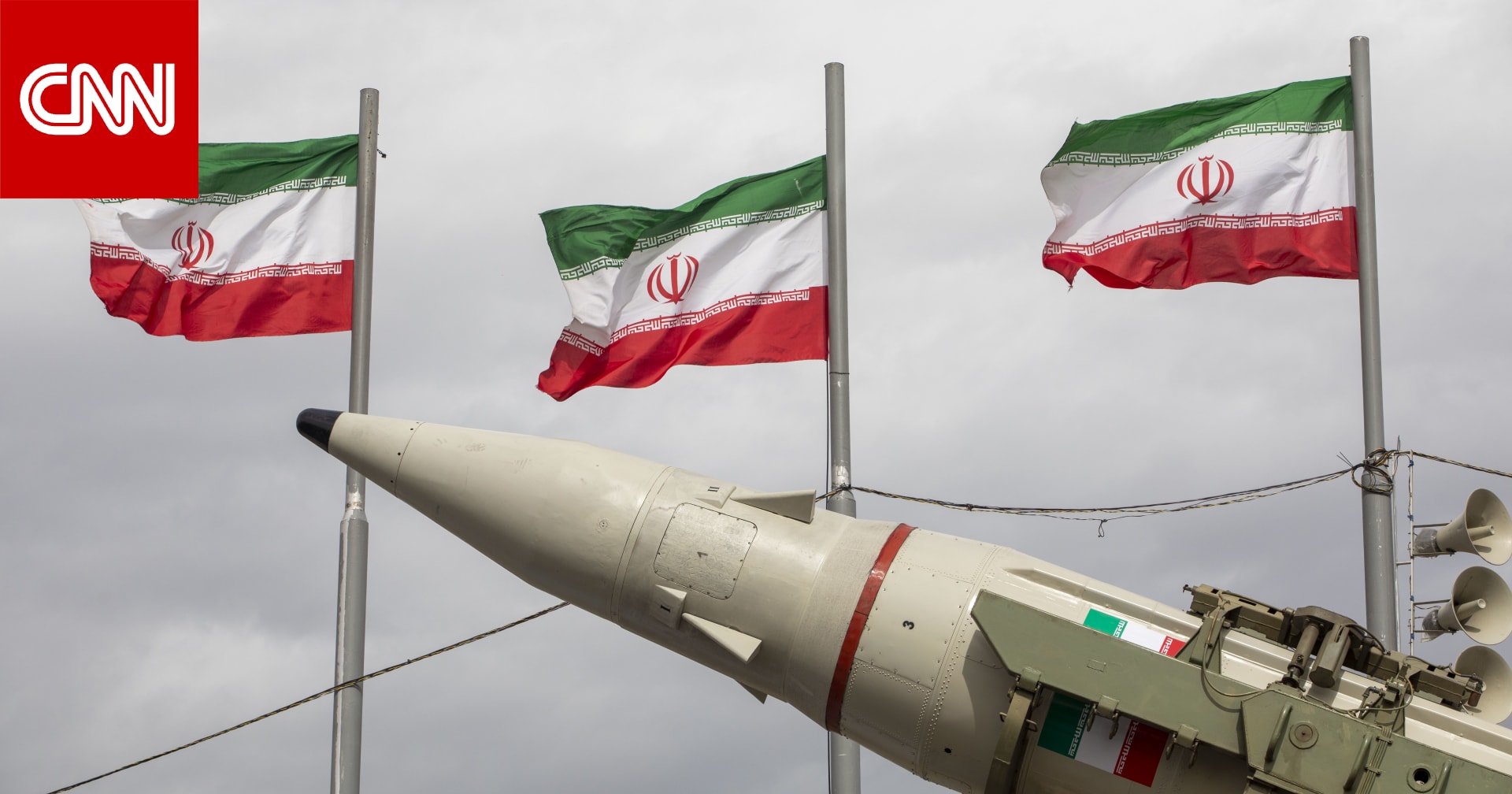
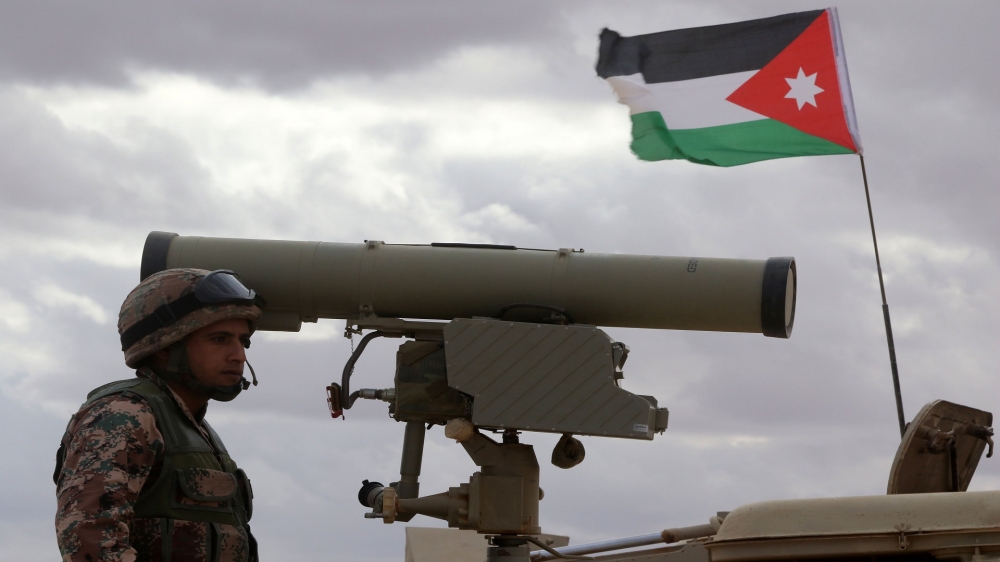
Amman, Jordan (CNN)-- Since July 9 of this month, the Jordanian army announced the interception and downing of dozens of missiles and drones directed from Iran to specific locations in Jordanian territory, within a series of ongoing direct attacks, not just transiting to the Israeli side.
As of Wednesday, the armed forces intercepted about 56 missiles, including ballistic missiles, and 13 drones, an unprecedented number of attacks in a short period.
Over the 14 days of the Iranian attack wave, the Jordanian armed forces adopted a 'calm and deterrent' military strategy, according to observers, which has so far adhered to a policy of 'defensive response' and protecting sovereignty, parallel to formal political and diplomatic management, while statements attributed to Iran's Revolutionary Guard try to stir the Jordanian public by questioning internal cohesion.
Iranian statements attempt to justify their 'retaliatory' strikes on the kingdom, according to analysts, by citing the presence of US bases that the Jordanian government and military leadership have long denied, while repeatedly clarifying that defense cooperation agreements underlie the presence of military forces, including US forces in specific locations agreed upon in the 2021 defense cooperation agreement between Amman and Washington.
What does the agreement stipulate?
The preamble of the agreement, signed in January 2021, states that the presence of US forces contributes to enhancing the security and stability of Jordan and the region. The agreement grants military and civilian personnel, equipment, and materials operated by or for the US Department of Defense in Jordanian territory 'access rights' to a set of specific areas and facilities listed in the annex to the agreement.
According to the annex, the agreement includes 11 main sites, including Muwaffaq Salti Air Base near Azraq, and several other Jordanian locations. Official Jordanian statements have not commented on any Iranian 'claims' regarding them.
Access rights, under the agreement published publicly on the official gazette website, include conducting training, exercises, maneuvers, transit, and other specified activities. The agreement stipulates that procedures for such access shall be established by mutual agreement.
Iranian provocations
Social media has flared up in recent days against 'Iranian statements' regarding alleged information 'penetration' via Jordanian reports. Jordanian Senator Omar al-Ayasrah considered this a 'desperate attempt' to label the Jordanian public as 'sympathetic' to Iran.
Al-Ayasrah told CNN Arabic that 'Iran still sees the Strait of Hormuz crisis, violation of principles of dealing with neighboring countries, and targeting Gulf states and Jordan as part of the rules of engagement with the United States.'
Al-Ayasrah added, 'Iran does not hesitate to raise the cost of war on America by striking its neighbors, which rekindles fundamental questions about whether Iran is a neighboring state or a rogue state for the Arab region, and whether it is truly an extremist ideological state or what?'
Regarding repeated direct Iranian targeting of Jordan in recent weeks, al-Ayasrah told CNN Arabic, 'It is targeting Jordan's diplomatic position, and perhaps also a message to the Israeli side that Iran's medium-range missiles are well, and that what reaches Jordan reaches Israel, but all this increases doubts about the intentions of the Iranian regime.'
According to al-Ayasrah, Iran believes that 'the Jordanian public is sympathetic to it,' citing the position on the Palestinian cause. He said, 'This is absolutely untrue; Jordanians reject the bombing of their land, and they view the relationship with the United States as a matter of sovereignty.'
Al-Ayasrah pointed out that Jordan has repeatedly denied the presence of US military bases, saying, 'Even if these bases exist, that does not give Iran the right to strike Jordanian sovereignty.'
Al-Ayasrah believes that 'Iran is starting to lose its cool,' noting that 'the trajectory of the relationship today will take a direct course: the more intense the strikes on Iran and its lifelines, and the more that affects the Iranian regime's ability to survive, the more Iran will escalate to harm regional countries.'
The Jordanian Strategy
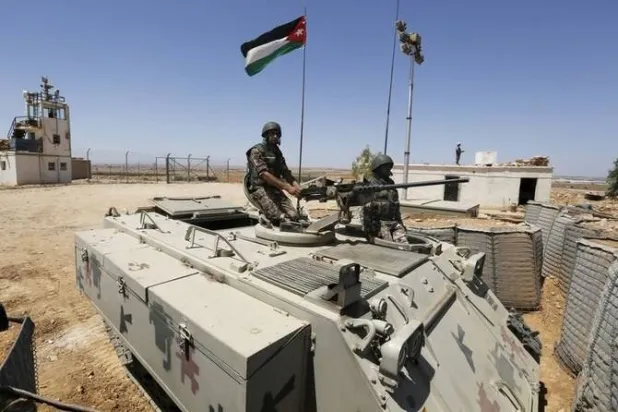
The Jordanian political and diplomatic administration has not deviated from its path since the beginning of the war in the region, continuing coordination with regional countries, especially Saudi Arabia and allies, led by the United States, and condemning attacks, while maintaining the Jordanian armed forces' capability and military efficiency in confronting attacks.
Al-Ayasrah viewed that 'Jordan's recent summoning of the Iranian charge d'affaires in Amman, without severing diplomatic relations or closing the Iranian embassy, falls within efforts to contain and neutralize the threat despite escalating Iranian provocations,' as he put it. He added, 'Any future Iranian escalation will target the Arab group, not just Jordan or others.'
According to official statements, Chairman of the Joint Chiefs of Staff Major General Yousef Al-Hunaiti is on a visit to the United States, where he has so far met with senior US officials, including the Under Secretary of State for Arms Control and International Security, the Chairman of the Senate Armed Services Committee, and a number of experts and officials at American strategic studies centers, to discuss regional developments.
According to al-Ayasrah, the meetings are expected to discuss developments in Iranian attacks. He believes that 'any strategic shift in the Jordanian position will be a collective shift,' noting that 'the Arab group looks forward to returning to the negotiation track' and also pointing out that 'indications of whether Israel will enter the battle so far will play a major role in escalating or calming the situation.'
High-level threat
A state of stability prevails in various regions of the kingdom, despite warning sirens sounding from time to time. Security and strategic expert Omar al-Raddad believes that the kingdom currently faces a 'high-level threat.'
Al-Raddad, in his interview with CNN Arabic, expressed no surprise at the Iranian escalation against the Hashemite Kingdom of Jordan, noting that Iran is convinced it is targeting military sites in the region. However, its targeting of civilian installations in the Gulf and its inability to prove that US strikes originate from these sites have fractured the entire Iranian narrative.
Al-Raddad said, 'The announcement by US Central Command (CENTCOM) of the death of two American soldiers in Jordan this week does not contradict the Jordanian narrative, which affirmed the presence of military personnel and advisors in the kingdom under the defense cooperation agreement.'
Al-Raddad, for his part, believes that Jordan currently faces a 'high-level threat' that may escalate in the coming period, pointing to a quantitative, qualitative, and geographical expansion in Iranian targeting of the kingdom. He suggested that Israel's direct entry into the confrontation would have repercussions on the level and scale of targeting of Jordan.
Original source: CNN Arabic

Comments (0)
Be the first to comment.