Unusual Movement in the Strait of Hormuz
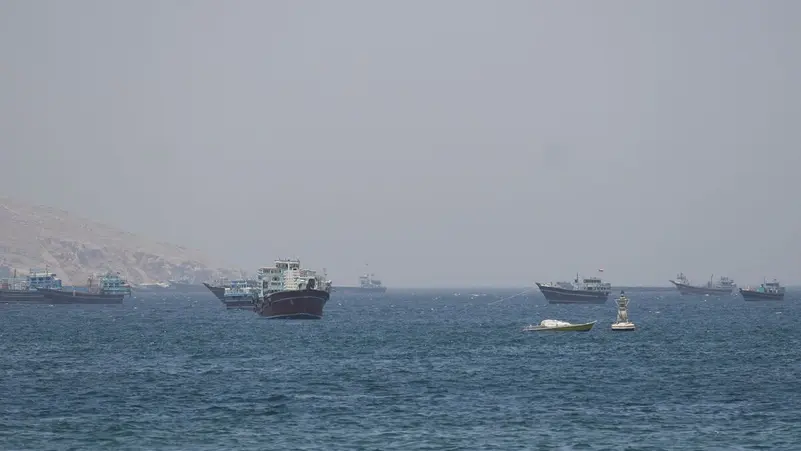
Recent data tracking maritime shipping showed a slight increase in the number of ships transiting the Strait of Hormuz on Tuesday, hours before the United States resumed imposing a naval blockade on Iranian ports, with Iran-affiliated ships accounting for the majority of transit traffic.
According to data from ship-tracking firm Kepler, 11 ships crossed the Strait of Hormuz on Tuesday, nine of which took the Iranian route, indicating continued maritime activity linked to Iranian exports ahead of the new US measures taking effect.
The data showed that three empty oil tankers entered the strait, including one medium-sized tanker and two very large crude carriers (VLCCs), while departing ships included a VLCC carrying about two million barrels of Iranian crude, a medium-sized tanker loaded with refined petroleum products, and two tankers carrying liquefied petroleum gas.
Also leaving the Gulf were a tanker loaded with methanol and a dry bulk carrier carrying a shipment of iron, according to tracking data.
In contrast, the data recorded no significant inbound or outbound movement of oil or gas tankers belonging to other producers in the Gulf, reflecting the growing impact of security tensions on navigation in one of the world's most important energy chokepoints.
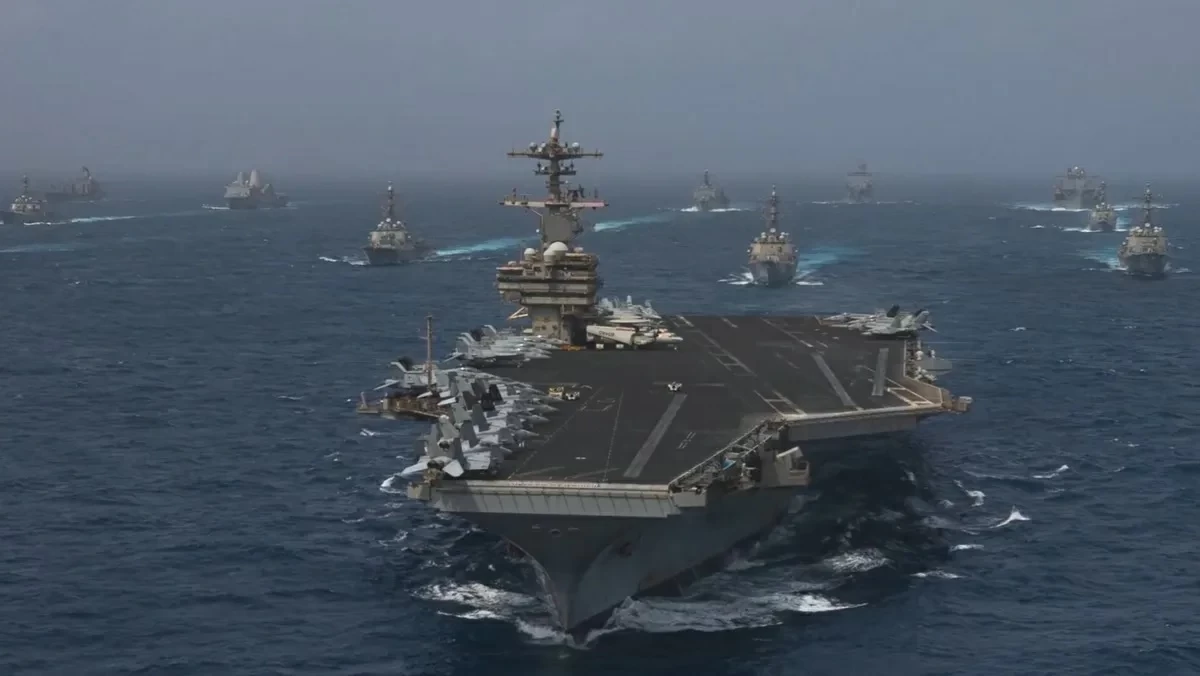
These developments come after US President Donald Trump announced the re-imposition of a naval blockade on all Iranian ports, with warnings of expanding military operations unless Tehran resumes negotiations, in a new escalation of the crisis between the two countries.
Original source: Al-Mowaten




Comments (0)
Be the first to comment.