Why Are Desalination Plants So Crucial for Gulf States?
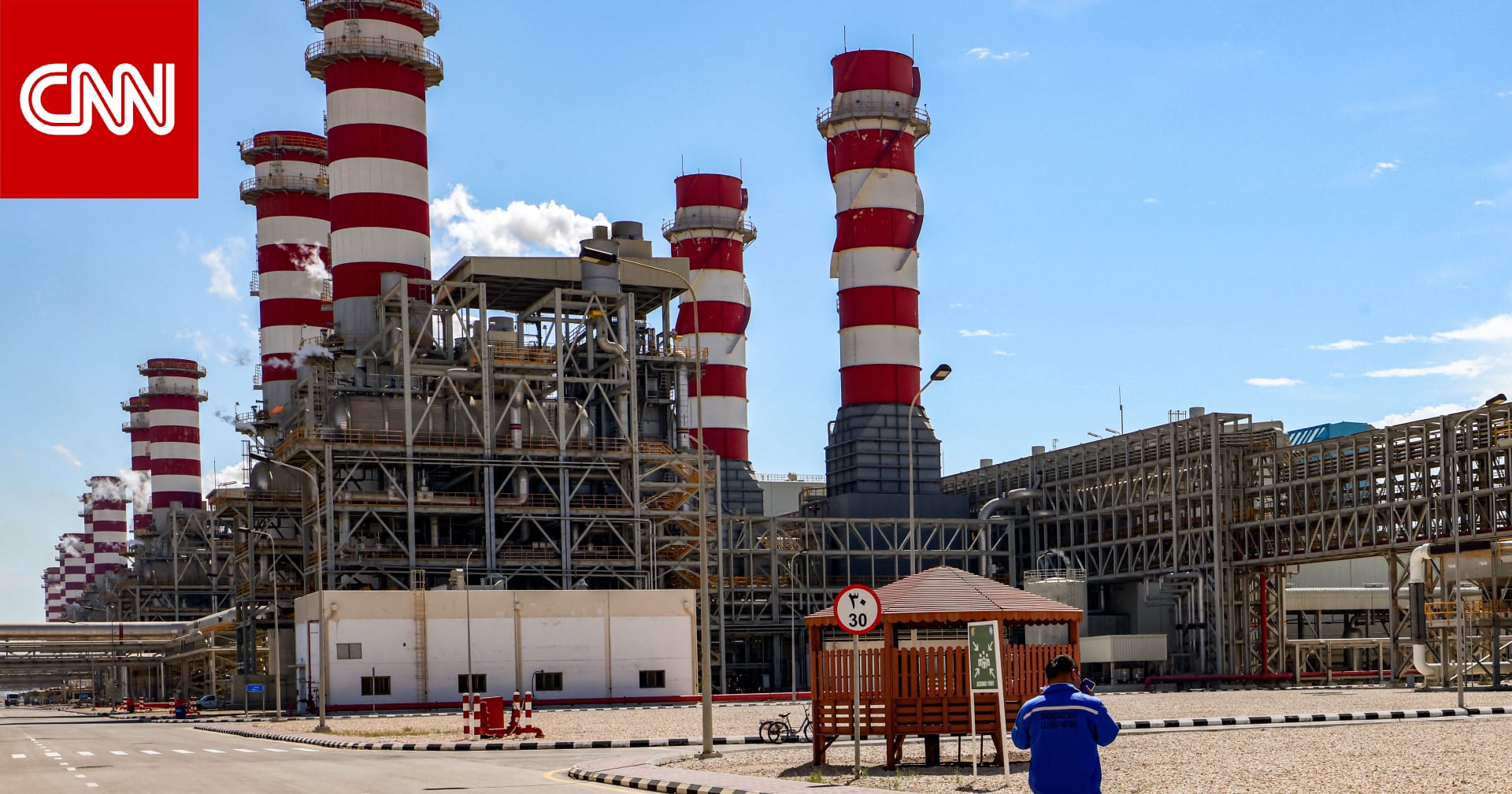
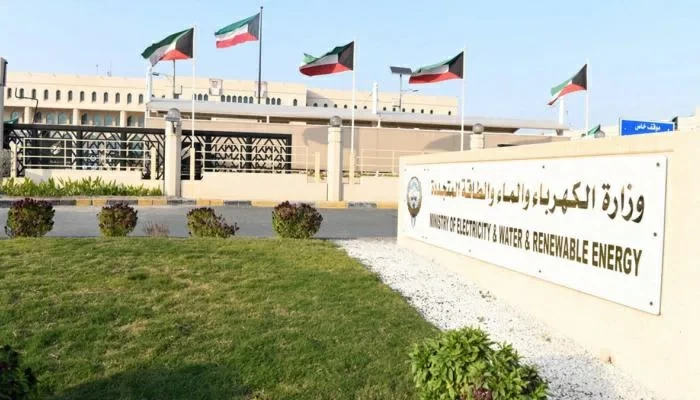
Kuwait's Ministry of Electricity, Water and Renewable Energy announced earlier Sunday that a power generation and water desalination plant in Kuwait was subjected to an Iranian attack for the second time in two days.
Ras Al Khair desalination plant, operated by the Saline Water Conversion Corporation, located in Ras Al Khair on the Gulf coast of eastern Saudi Arabia - March 30, 2023. Credit: FAYEZ NURELDINE/AFP via Getty Images
(CNN)-- Kuwait's Ministry of Electricity, Water and Renewable Energy announced earlier Sunday that a power generation and water desalination plant in Kuwait was subjected to an Iranian attack for the second time in two days.
An Iranian local official said Saturday that a US missile attack damaged a water desalination plant in the country. CNN has reached out to the US military for comment.
Desalination plants, which convert seawater into drinking water, are vital in the Middle East, serving as a lifeline and supporting remote areas during droughts. Some countries in the region rely almost entirely on desalination for their drinking water.
In Kuwait and Oman, desalination covers about 90% of freshwater needs. In Bahrain, it is 85%, and in Saudi Arabia about 70%. Major Gulf cities, including Abu Dhabi, Dubai, Doha, Kuwait City, and Jeddah, rely almost entirely on desalinated water.
Ras Al Khair desalination plant on the Gulf coast of eastern Saudi Arabia - March 30, 2023. Credit: Fayez Nureldine / AFP via Getty Images
Iran, however, is less dependent on desalination than its Gulf neighbors. Nevertheless, the process is essential for providing water to coastal and island communities and for helping mitigate the effects of drought.
Desalination plants were also targeted during the current conflict that erupted in March. At the time, the World Water Council -- a UN-affiliated organization advocating for global water security -- condemned the attacks and called on all parties to 'fully comply with their commitments under international law.'
In a statement, the council cited an article of the Geneva Convention that prohibits combatants from attacking essential resources for civilian survival, such as drinking water facilities and supplies.
Original source: CNN Arabic




Comments (0)
Be the first to comment.