After the 2026 World Cup... Did the American Stamp Change Football's Identity Forever?
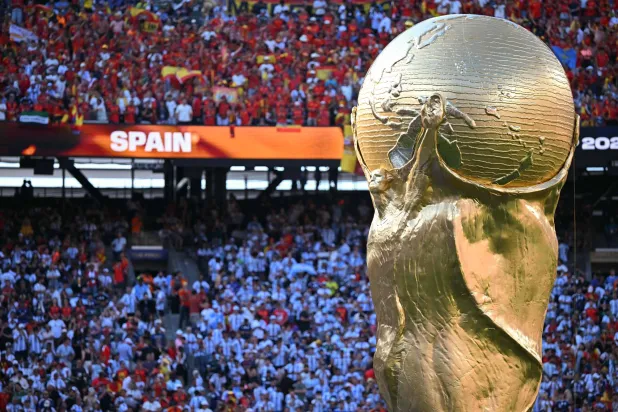
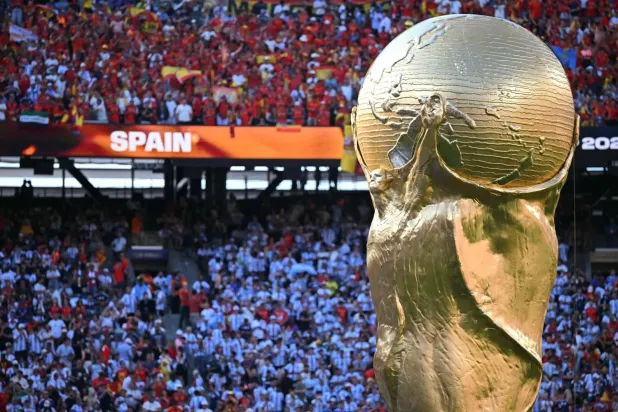
Perhaps the 2026 World Cup will be remembered not for the identity of its winner, but for the lingering question: What will remain of the changes that have occurred in football?
The 2026 FIFA World Cup may ultimately not be remembered for the identity of its champion, but rather for the question it left hanging: What will remain of the changes that came to football once the tournament leaves North America... from mandatory hydration breaks that effectively divided matches into four quarters, to championship rings, a halftime show at the final, and a more tightly wrapped entertainment product than ever before, as FIFA embraced elements of the American sports model with great enthusiasm?
Perhaps some of these innovations will be remembered as novelties for a tournament hosted by the United States, while others may prove difficult to get rid of.
The mid-half stoppages, applied throughout the tournament regardless of whether weather conditions seriously required them, were introduced by FIFA under the guise of player safety in a tournament held in hot and humid conditions during the North American summer. Once adopted, these breaks created something football had traditionally resisted: a scheduled pause in the middle of each half. For coaches, these two periods became tactical time-outs. For broadcasters, they became natural opportunities that could one day carry immense commercial value. But for fans accustomed to the continuous rhythm of the game, these breaks made matches seem split into four quarters.
Here lies the importance of the legacy issue. The stoppages will likely be debated at future World Cups, especially since player safety gives FIFA a clear justification to keep them; and because the commercial potential of fixed mid-half breaks will be hard for sports decision-makers to ignore. However, any attempt to globalize these breaks will face resistance, particularly in Europe, where football's relative freedom from stoppages remains a feature fans fiercely defend.
The Union of European Football Associations (UEFA) announced it would not give up its rule that stoppages for drinking fluids or hydration breaks cannot exceed one minute. Thus the tournament became a test of how willing FIFA is to reshape football to fit the demands of the market where it is held. The answer: to a large extent.
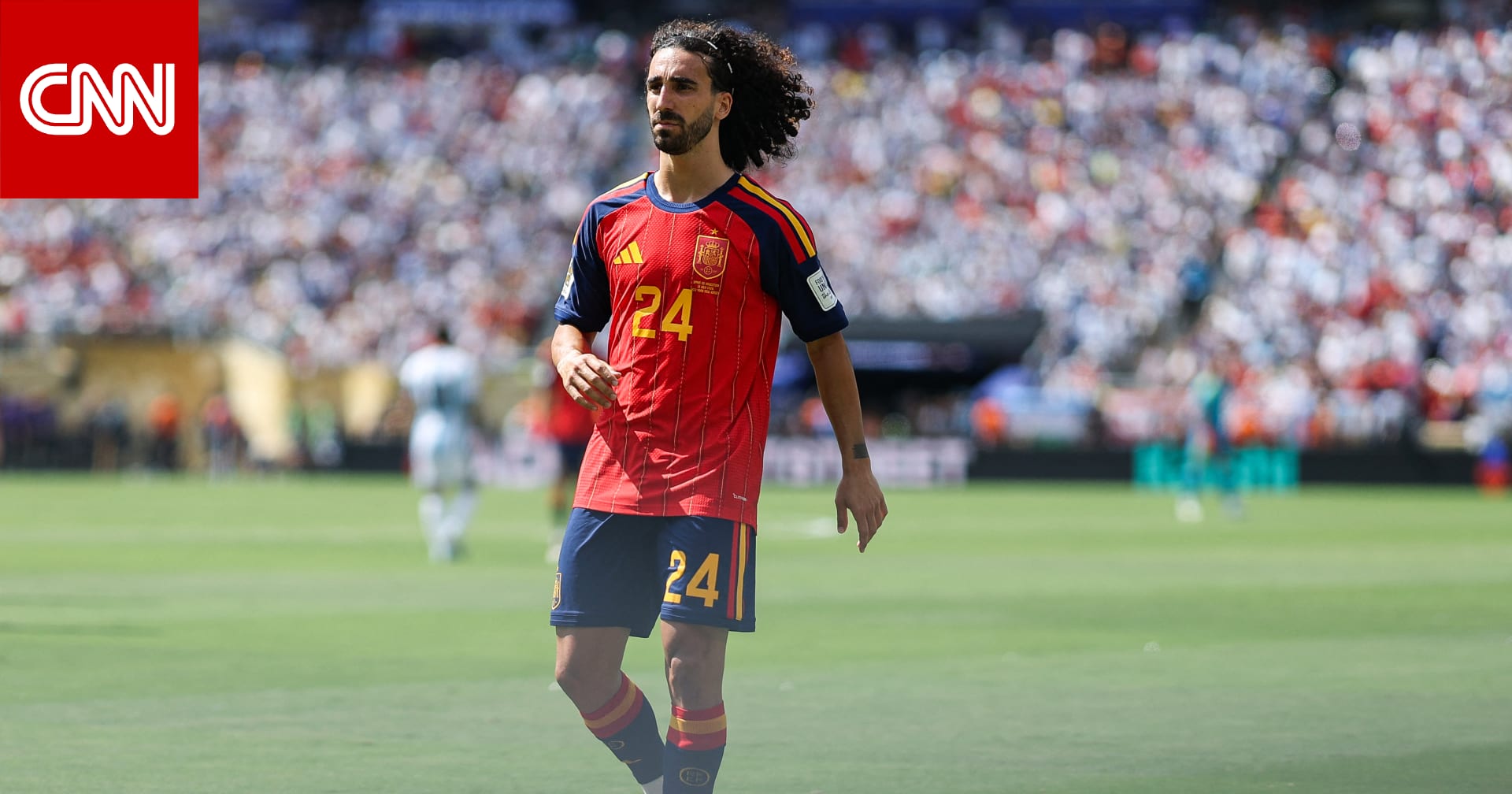
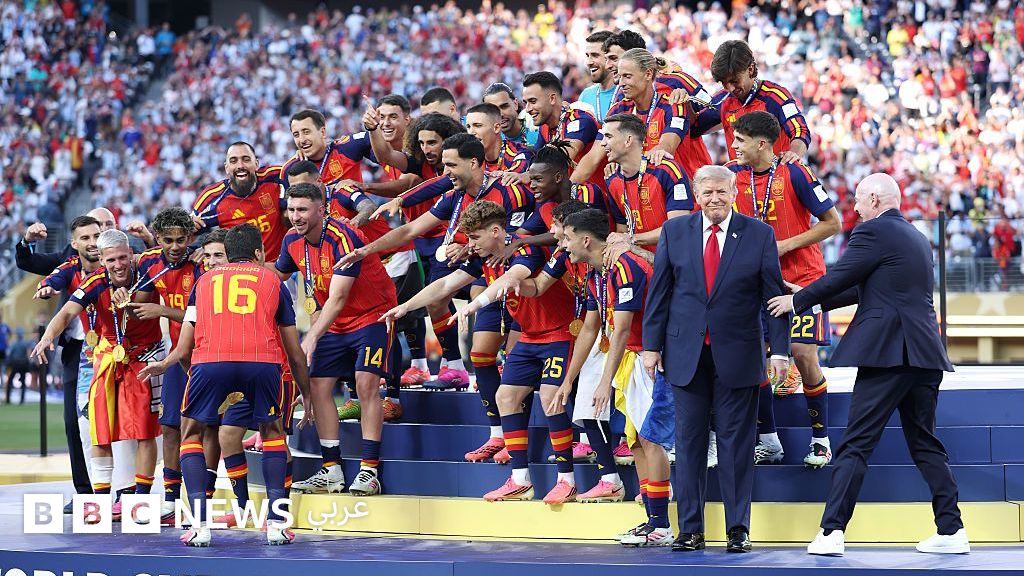
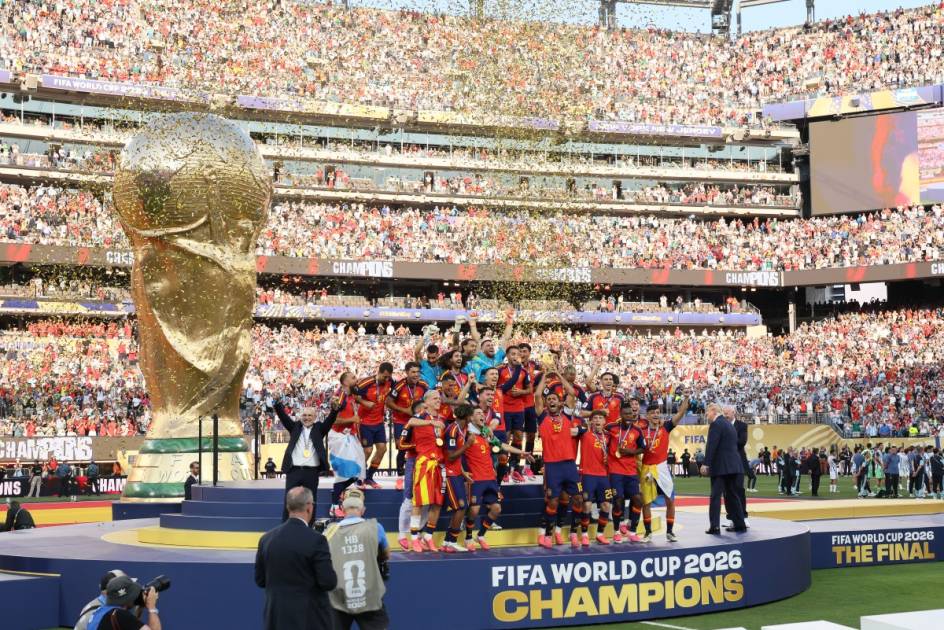
The players of Spain, the world champion, received championship rings, a tradition directly from North American sports, while the final featured a massive halftime show, opening clear comparisons with the Super Bowl, and resulted in a 27-minute break, surpassing the sacred 15-minute halftime. Neither changes the basics of the game, but they contributed to the feeling that FIFA is no longer just the grantor of the World Cup to the United States; it is increasingly adapting the tournament to American sports culture.
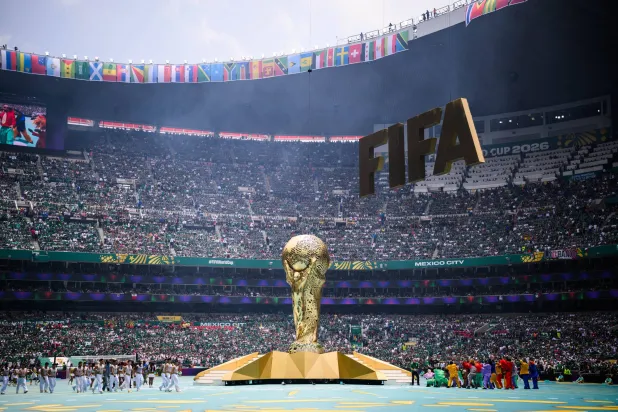
There was a paradox in that: throughout the tournament, American cities experienced much of what has always made international football special: widespread support from traveling fans cheering for their teams, flags filling city centers, fans singing for hours before and after matches, and national teams carrying a sense of identity that no local team can easily replicate. The United States seemed to be absorbing football culture. At the same time, FIFA seemed determined to absorb American sports entertainment culture and spread it to fans around the world.
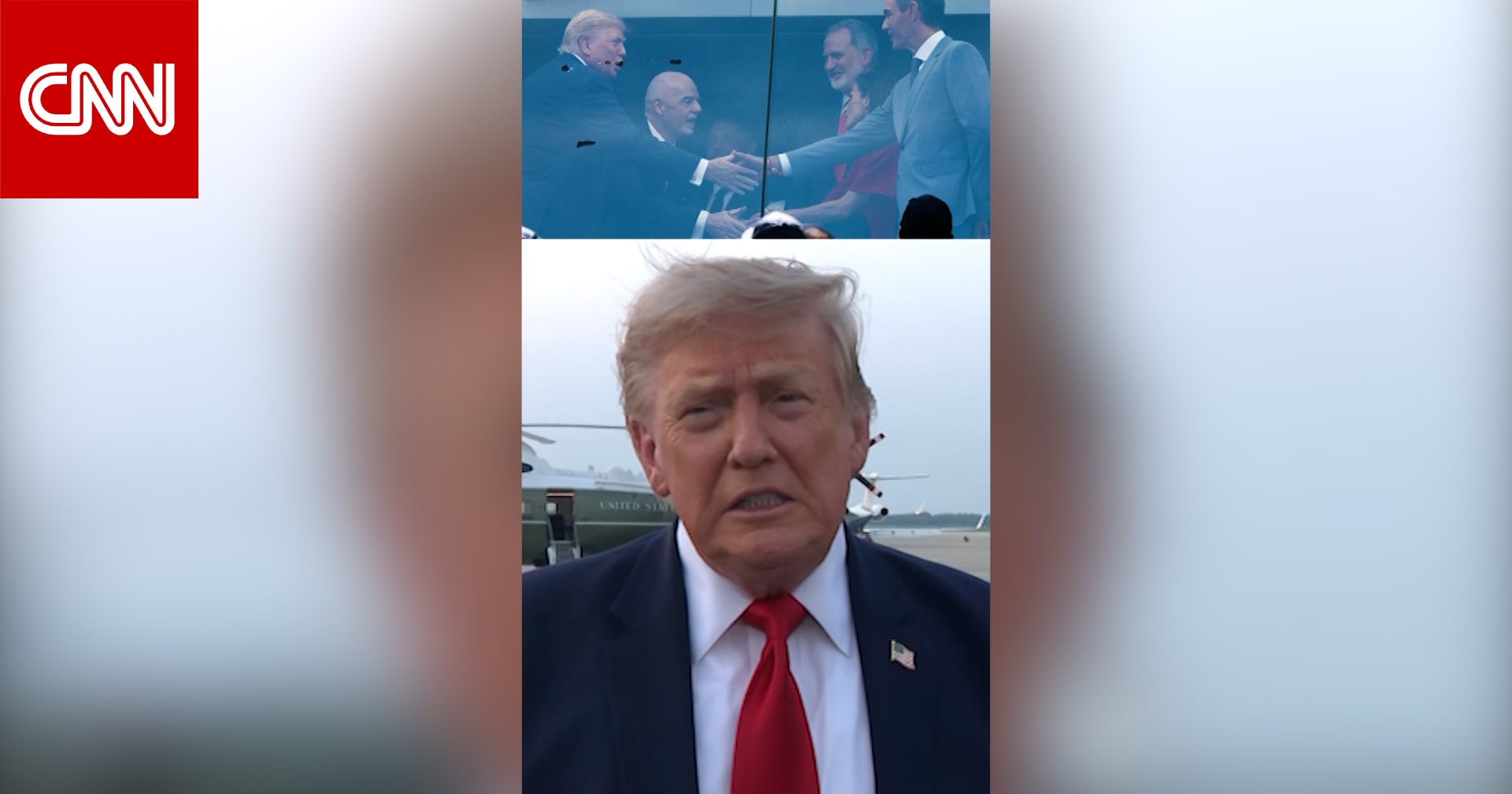
The tournament was certainly political; the close relationship between FIFA President Gianni Infantino and U.S. President Donald Trump became one of its most notable features off the field. Critics say Infantino's closeness to Trump often went beyond the usual diplomatic courtesies between a federation head and a host country's president. The disciplinary case involving Folarin Balogun sparked widespread debate, and concerns were especially highlighted after Trump publicly praised FIFA's handling of the matter following his personal intervention. In response, FIFA said its judicial bodies acted completely independently, but the incident reinforced the impression for some that the line between football governance and political influence had become troublingly blurred.
The inevitable refereeing controversy added more tension. Referees were asked to apply new rules and interpretations of the game, while dealing with the usual pressures of consistency, player protection, and the growing influence of technology. The result was a tournament where the debate often went beyond whether a single decision was right or wrong, and moved toward something more fundamental: whether the laws of the game had become too complex for players, coaches, and fans to understand in real time. The new interpretations aimed to bring more clarity and consistency, but the tournament repeatedly showed how difficult both were to achieve. The VAR system remained central and fundamental to crucial decisions, but technology did little to eliminate controversy. Sometimes, technology shifted the debate from the referee's judgment to the interpretation of slow-motion replays and technical terms. The situation was exacerbated by a broader atmosphere of suspicion around officiating, with conspiracy theories spreading on social media and referees often unable to respond. Pierluigi Collina, head of FIFA's referees committee, denied allegations of bias, saying match officials work with complete independence.
On the field, the expanded 48-team tournament format yielded mixed opinions. There were more matches and countries, more opportunities for nations that had not previously qualified for the world's biggest sporting event. The expanded knockout stage added excitement to the group stage, but the sheer number (104 matches) made this World Cup seem less like a compact festival and more like a massive sports season crammed into a few weeks. This size suited FIFA's commercial ambitions and the geography of the host countries, but whether it elevated the quality of matches is debatable.
However, the tournament delivered what World Cups always deliver: new champions, disappointments for favorites, moments of national heartbreak, and poignant moments amid the event's clamor. But its lasting legacy may not be a match or a champion; it may be the precedent it set. The true test of that will come in 2030.
Original source: Asharq Al-Awsat
Comments (0)
Be the first to comment.