How Major Tournaments Reveal the Essence of Strategic Management? - Mohamed El-Baz
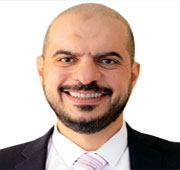
مع انتهاء المونديال، تبرز مبادئ الإدارة الاستراتيجية في الرياضة والأعمال: التخطيط المبكر، المرونة في التنفيذ، وبناء أنظمة مستدامة تضمن النجاح طويل الأمد.
The World Cup has ended, and each team has returned to their country, some celebrating the title and others starting to review what happened in preparation for the next competition. With the end of the matches, the daily analyses of goals and substitutions also ended, but lessons remain worth pausing over, not only because they pertain to football, but because they reflect the principles of strategic management in their clearest form!
Resources and Career Path Planning
Success in sports, as in the business world, is not made at the moment of competition but years before it, and perhaps this was one of the most important lessons revealed by the tournament:
Strategy begins before the competition starts
The teams that competed for the title did not start their preparations months before the tournament; rather, they built their system over years of developing talent, preparing alternatives, experimenting with plans, and learning from past failures.
It is no different in the business world. When a company reaches market leadership, some may think the reason is a successful product or an influential marketing campaign, while the truth is that what we see is the result of a long chain of decisions and investments that began years ago. This is the essence of Strategic Planning: competitive advantage is not built during competition, but long before it.
Perhaps Toyota's experience is the best example of this. It did not achieve its global status because it had the best idea, but because it built an operational system that made continuous improvement part of the daily work culture, which became globally known as the Toyota Production System.
Successful strategy is not rigid
The tournament also revealed that the best coaches did not hesitate to change their playing style when match conditions changed. They did not change the goal, but they changed the path to it!
This is the concept of Strategic Agility. Successful companies do not cling to their plans no matter how reality changes; they adapt them without losing their direction.
Netflix is one of the most famous examples of this. It started as a DVD rental company, then shifted to digital streaming, and then to content production, while its goal remained constant: leading the entertainment market!
Systems do not depend on a single person
One of the lessons the tournament confirmed is that having an exceptional player does not guarantee winning the title, while teams with fewer stars were able to compete strongly because they had an integrated system where every player knows their role, and all elements work towards one goal.
On the other hand, in the business world, some leaders fall into the same mistake when the company's results become tied to one employee or one manager! Strong institutions are not built on individuals, no matter how competent they are, but on clear work systems that ensure continuity of performance, distribution of responsibilities, and knowledge transfer within the institution. Individuals may achieve temporary success, but systems create sustainable success.
When McDonald's expanded to more than a hundred countries, its success was not based on the skill of a particular chef or a specific manager, but on building an operational system that makes the customer have the same experience in any branch around the world. This is the concept of Systems Thinking: the true value of an institution lies not in individuals, but in the system that makes excellent performance repeatable!
After the final whistle, many may not remember the details of every match, but they will remember who lifted the cup. In the business world, too, the market will not remember the number of meetings held by management, or the number of plans written, but it will remember the companies that managed to turn their strategy into real results!
Original source: Al-Jazirah




Comments (0)
Be the first to comment.