Rare Quranic Calligraphic Panel Combining All Surahs at Red Sea Museum
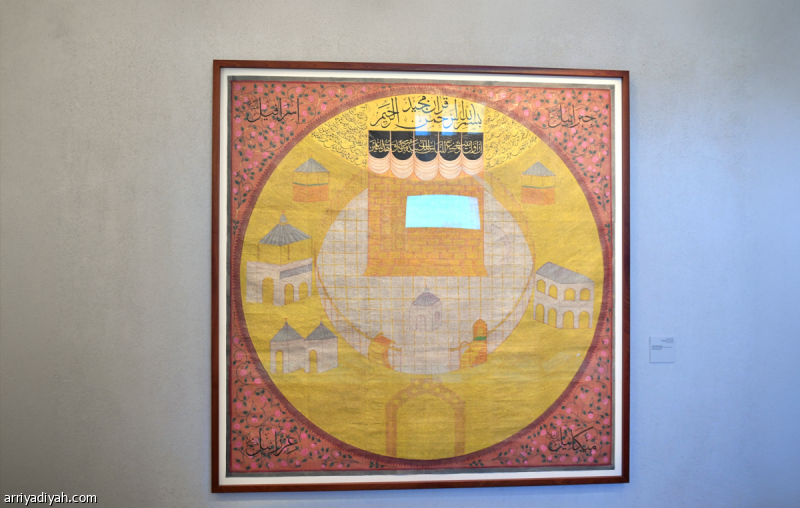
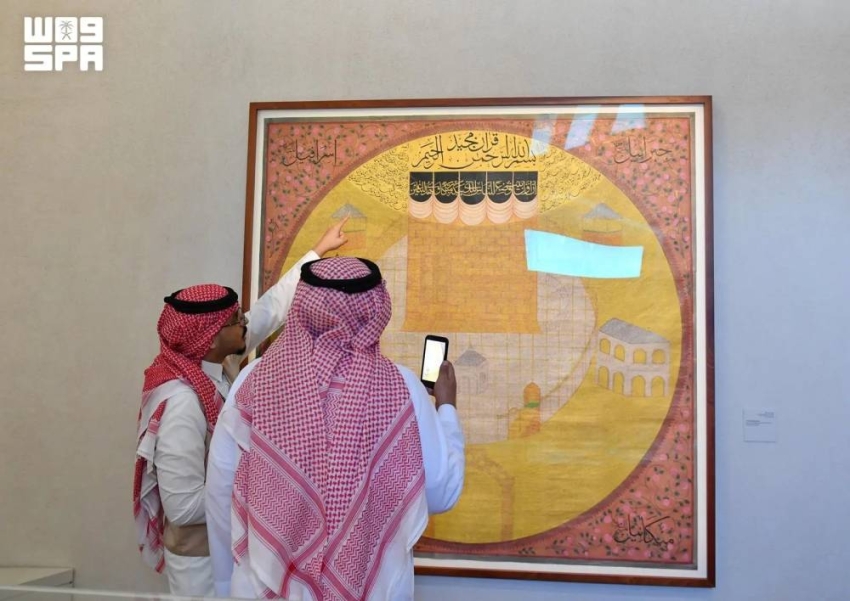
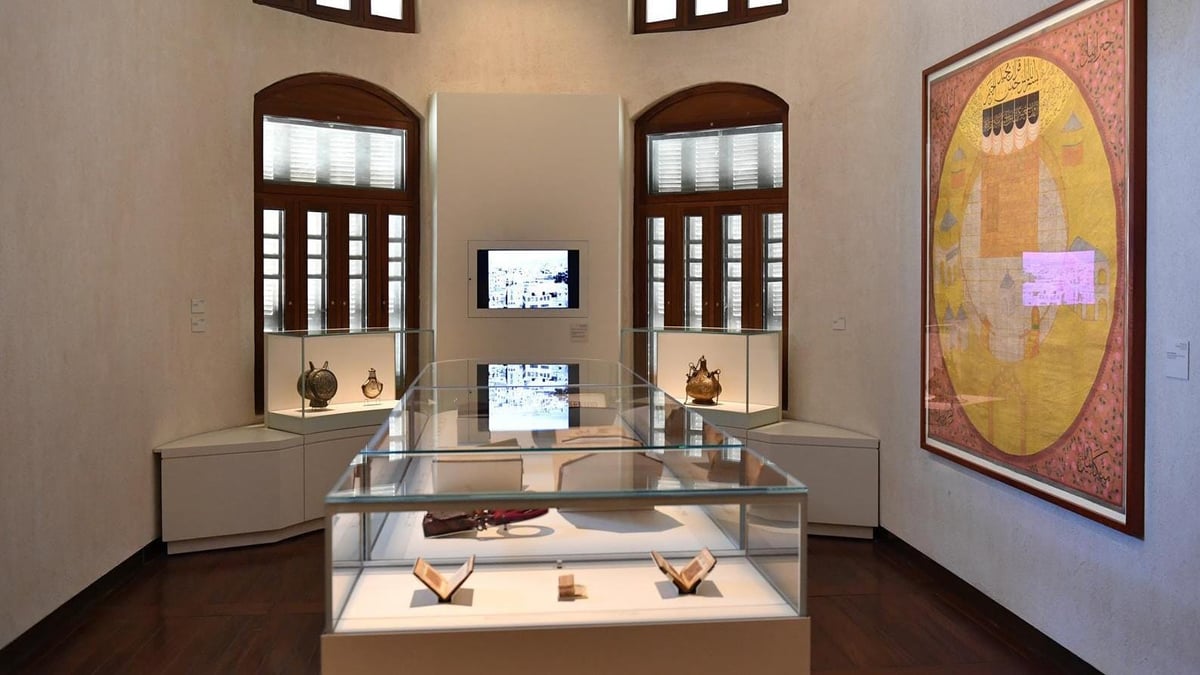
A rare Quranic calligraphic panel stops visitors at the 'Sea of Faith' hall in the Red Sea Museum in Historic Jeddah, as it combines all surahs of the Holy Quran within a detailed drawing of the Grand Mosque in Makkah, in an artistic work that took a full year to complete, combining precision of calligraphy, spirituality of the Quranic text, and beauty of visual composition. The Quranic manuscript tells a story that encapsulates part of the pilgrims' journey across the Red Sea to Makkah, as it combined the sanctity of the Holy Quran, aesthetics of Arabic calligraphy, and an image of the Grand Mosque, making it an artistic testament to the connection between Islamic art and pilgrimage routes through the ages. The manuscript dates back to...
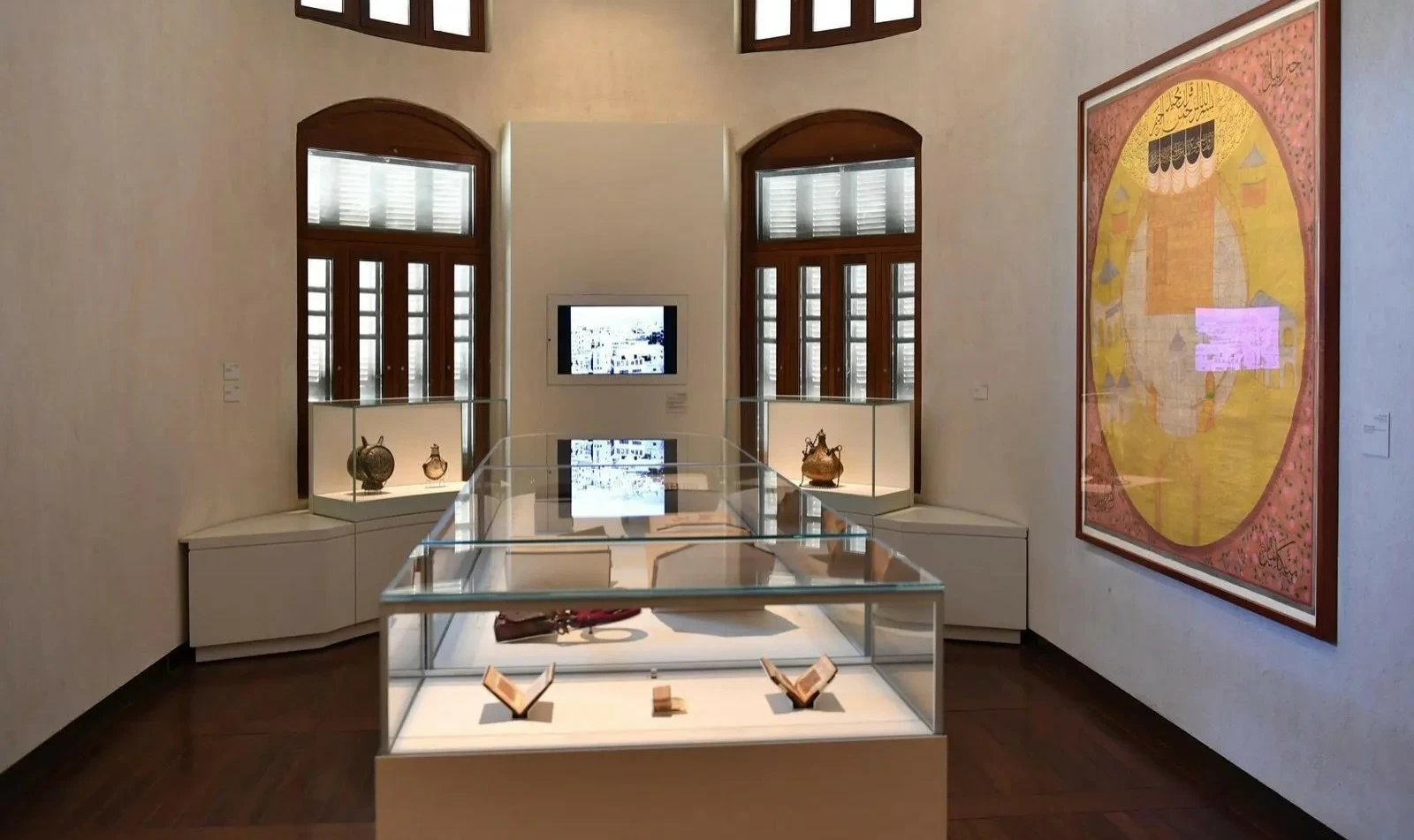
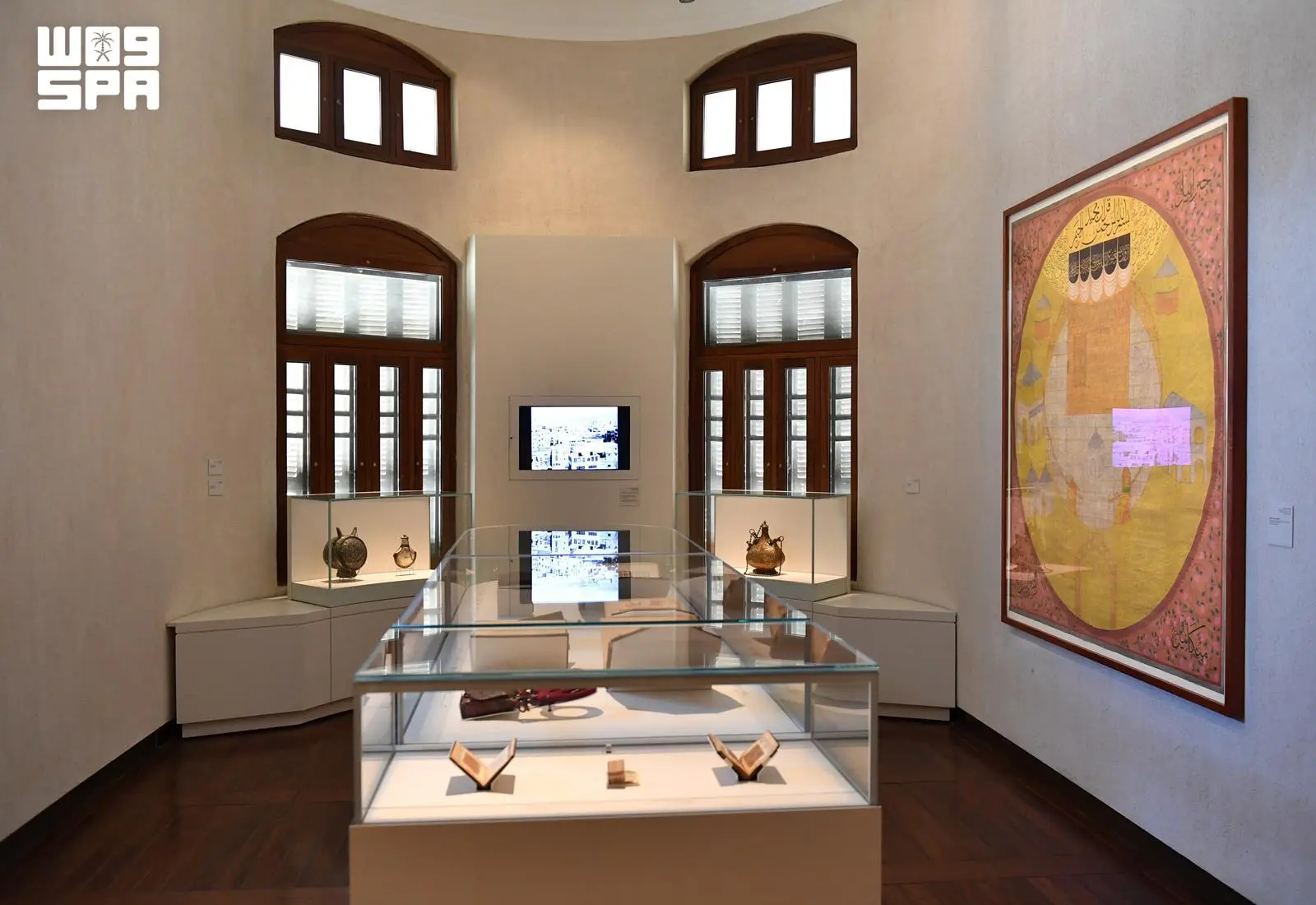
A rare Quranic calligraphic panel stops visitors at the 'Sea of Faith' hall in the Red Sea Museum in Historic Jeddah, as it combines all surahs of the Holy Quran within a detailed drawing of the Grand Mosque in Makkah, in an artistic work that took a full year to complete, combining precision of calligraphy, spirituality of the Quranic text, and beauty of visual composition. The Quranic manuscript tells a story that encapsulates part of the pilgrims' journey across the Red Sea to Makkah, as it combined the sanctity of the Holy Quran, aesthetics of Arabic calligraphy, and an image of the Grand Mosque, making it an artistic testament to the connection between Islamic art and pilgrimage routes through the ages. The manuscript originates from Mysore, India, and was completed by Ghouth Mahboob Ghalib around 1859-1860 CE, in Diwani script using black ink and gilding on thick paper, with the Holy Kaaba at its center within a circular composition evoking the landmarks and architectural details of the Grand Mosque, in a work reflecting the spiritual status Makkah occupied in Muslims' hearts. The uniqueness of the work lies in containing all surahs of the Holy Quran in highly precise calligraphy within the panel's elements and details, with writing beginning with Surat Al-Fatiha at the top, then continuing through the surahs down to Surat An-Nas, in an artistic achievement combining the skill of Muslim calligraphers and the precision of Quranic manuscript copying, highlighting the level of mastery reached by Islamic manuscripts in the 19th century. The visual composition of the panel enhances its artistic value, as the Holy Kaaba dominates the center of the scene, surrounded by landmarks of the Grand Mosque, while Quranic writing intertwines with decorations and architectural details, in a harmony that combines letter and image, transforming a single page into a complete spiritual scene. The value of the Quranic manuscript is not limited to its artistic beauty, but it also documents an aspect of the cultural heritage pilgrims carried with them on their sea journeys to the holy lands, as these works served as a means to express love and longing for the Two Holy Mosques, and contributed to the transfer of Islamic arts between regions of the Islamic world through Red Sea ports. The 'Sea of Faith' wing presents this manuscript among a collection of Qurans, manuscripts, and rarities related to pilgrimage journeys, showcasing the cultural heritage that accompanied pilgrims across the Red Sea to the holy lands, and the artworks and manuscripts they carried that embodied their spiritual connection to Makkah and helped document an aspect of the history of the faith journey by sea.
Original source: Arriyadiyah

Comments (0)
Be the first to comment.