Environment: Afforestation a Key Pillar in Lowering Temperatures and Improving Quality of Life
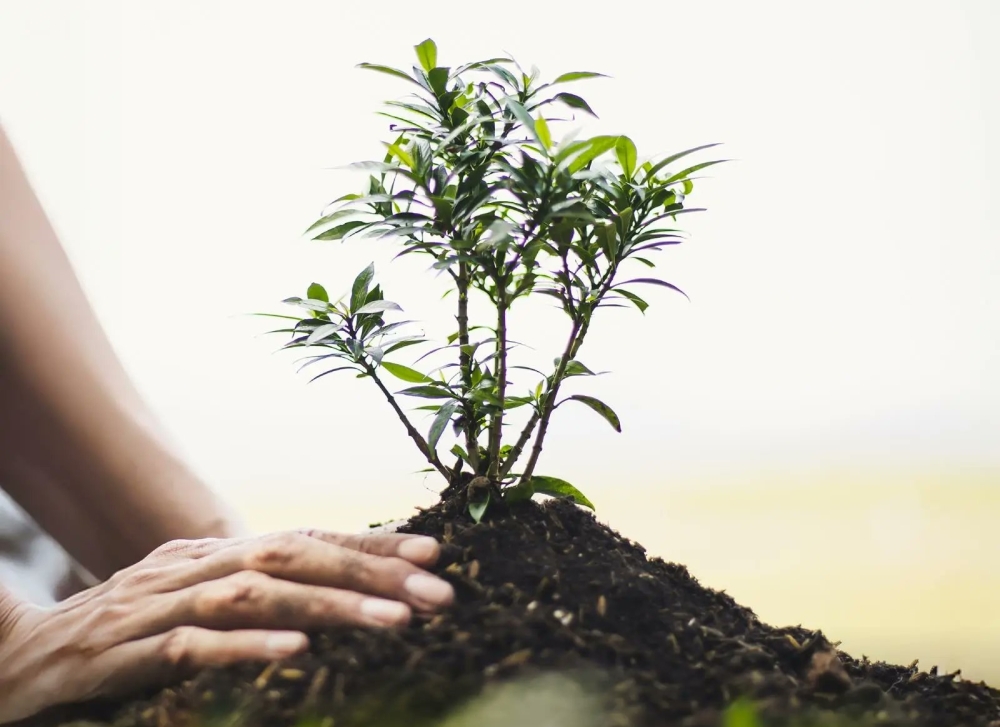
أكدت وزارة البيئة والمياه والزراعة أن التشجير يعد حلاً طبيعياً فاعلاً لخفض درجات الحرارة صيفاً، وتحسين جودة الهواء، ودعم الاستدامة البيئية تماشياً مع مستهدفات رؤية السعودية 2030.
The Ministry of Environment, Water and Agriculture has affirmed that afforestation is one of the most prominent natural and effective solutions to mitigate the effects of high temperatures during the summer season, pointing to the role trees play in cooling the atmosphere, improving air quality, and enhancing environmental sustainability, in line with Saudi Vision 2030.
Afforestation and Environmental Improvement
The Ministry also explained that afforestation plays an important role in contributing to lowering temperatures by providing shade, reducing heat absorption in sidewalks and surfaces, along with the transpiration process through which water vapor is released, helping to cool the surrounding air and improve the quality of life in cities, parks, and open spaces, providing suitable environments for walking, outdoor activities, and encouraging physical activity. Afforestation also helps absorb an average of up to 150 kg of carbon dioxide annually.
The ministry pointed out that increasing green spaces contributes to creating an effective impact that positively reflects on human health by reducing stress and improving mental health, in addition to improving quality of life by purifying the air of pollutants, thereby reducing diseases, reducing noise pollution, and effectively contributing to rainwater management, as well as supporting biodiversity by providing vital habitats for biodiversity and supporting natural pollinators.
Key Tips for Planting and Choosing Trees
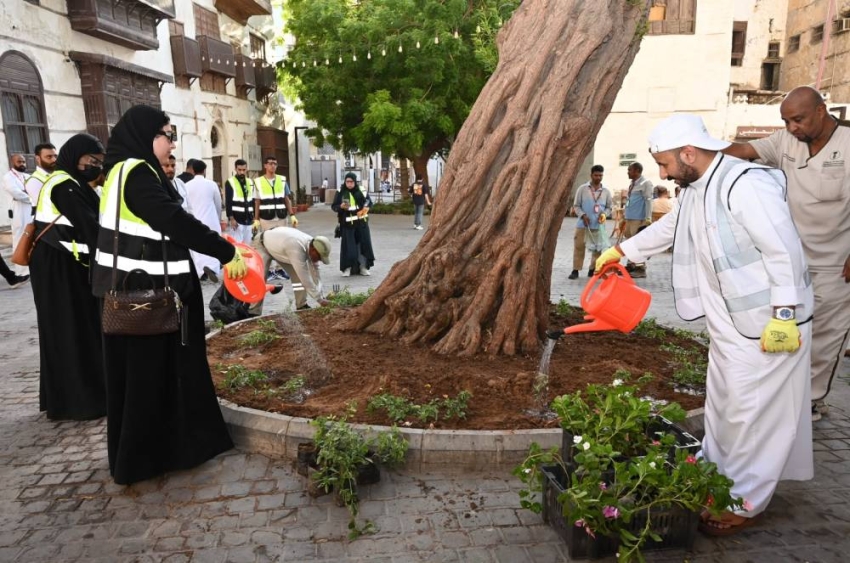
The Ministry urged community members on the importance of selecting local trees, which are more adapted to the Kingdom's climatic conditions and require less water, enhancing the efficiency of natural resource use and contributing to the success and sustainability of afforestation projects. It called for following proper agricultural practices to maintain trees during the summer season, including choosing the appropriate time for irrigation, preferably early morning or late evening, in addition to using drip irrigation systems to rationalize water consumption and enable efficient use of the vital water resource, which reduces water loss through evaporation by up to 50% compared to traditional irrigation systems. It also stated that organic mulch around trees helps maintain soil moisture, regulate temperatures, and prevent weed growth.
Related News
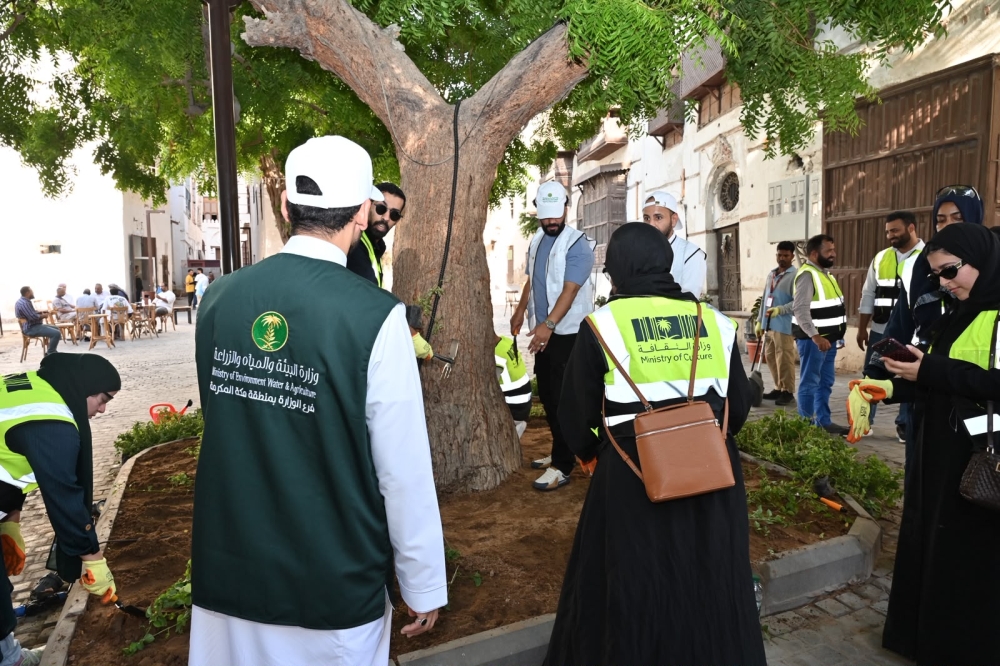
The ministry affirmed that afforestation represents a long-term investment in the environment, people, and the future of coming generations, as it contributes to providing shade, improving air quality, enhancing the urban landscape, and raising the quality of life for future generations. It pointed out that the success of afforestation efforts depends on community participation by adopting positive environmental behaviors that enhance vegetation development and protect natural resources to ensure the sustainability of ecosystems.
Original source: Al-Yaum



Comments (0)
Be the first to comment.