8 Nights of Reciprocal Strikes: How the Confrontation Between America and Iran Escalated
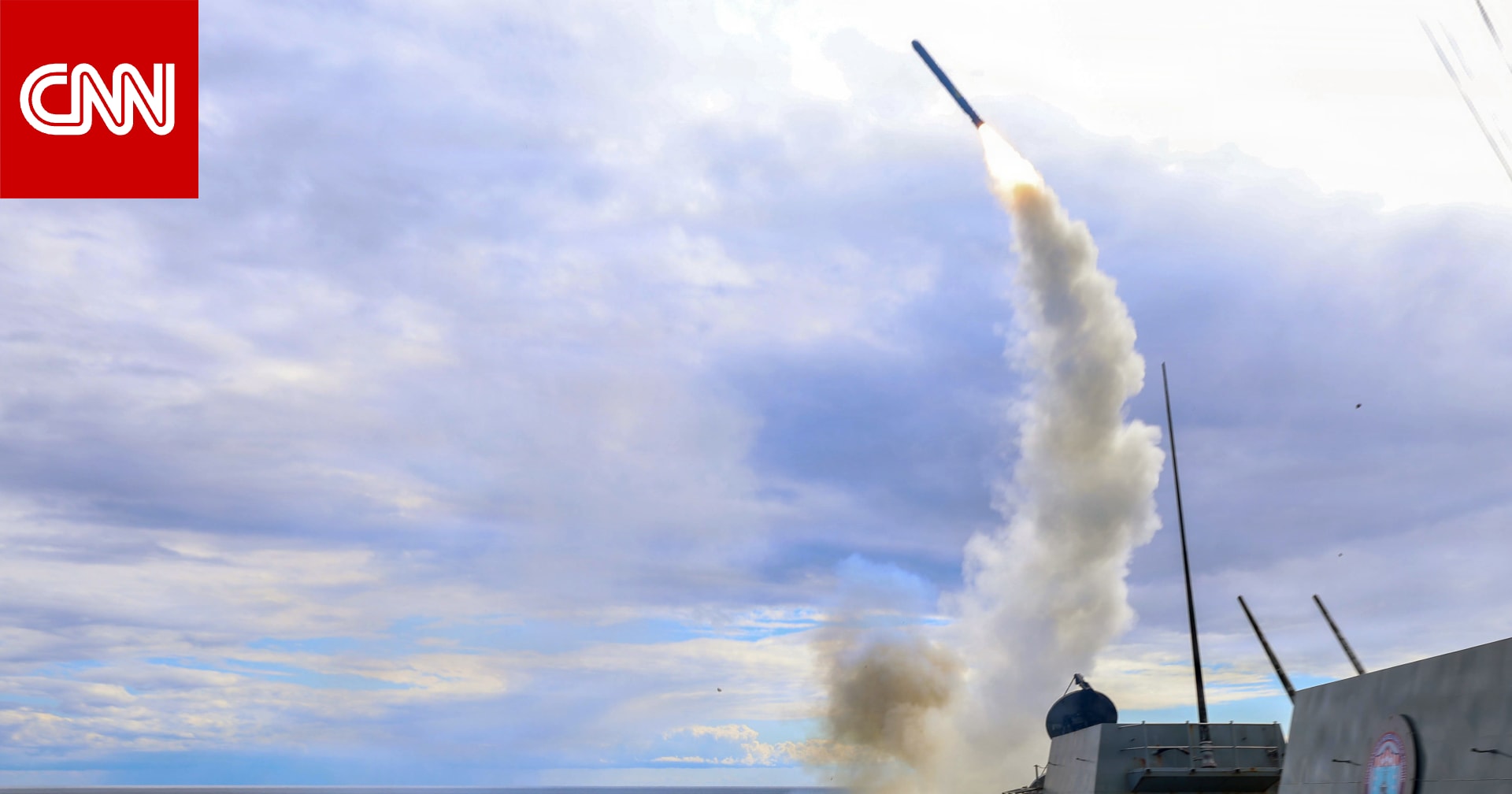
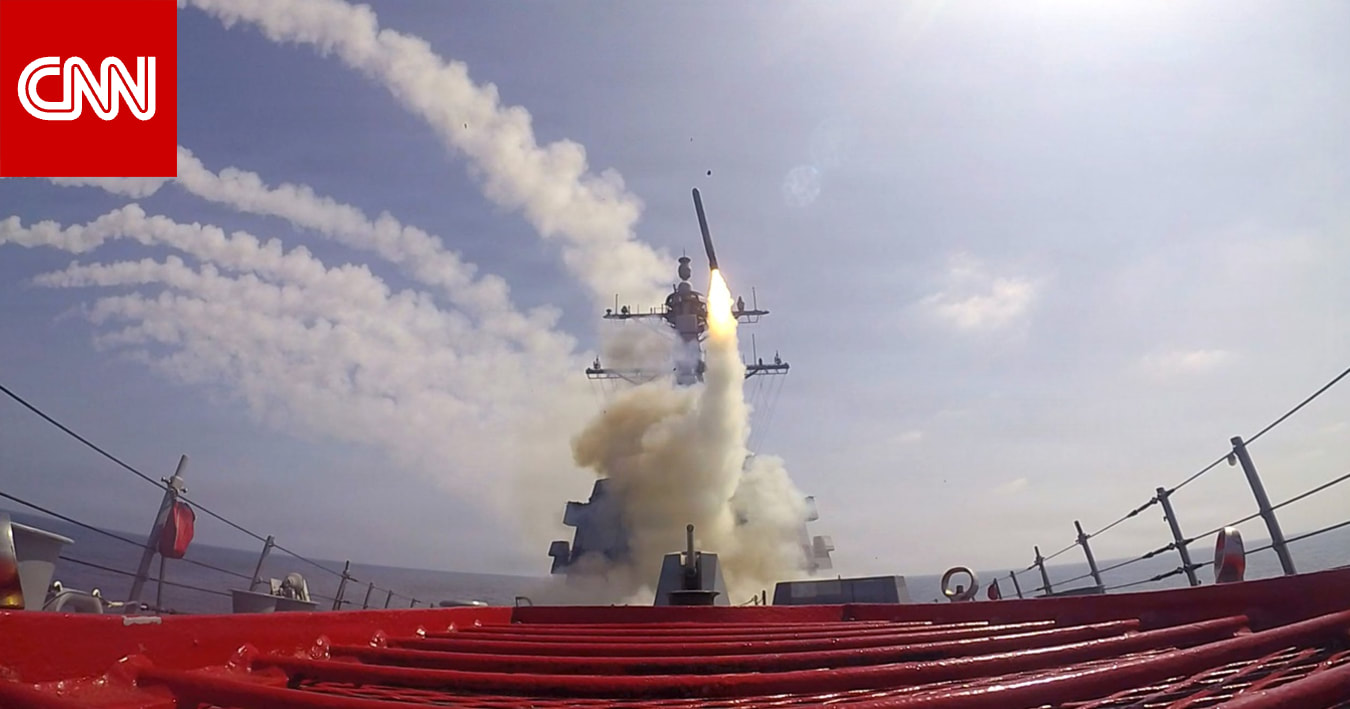
(CNN)-- The United States continues its bombing of Iran for the eighth consecutive night, targeting facilities linked to the country's air and coastal defenses, as well as missile and drone storage sites, according to the U.S. Central Command (CENTCOM).
The U.S. Central Command said the strikes were launched to "swiftly punish Iran" following the killing of two American soldiers in Jordan on Friday.
The following is a look at how the conflict escalated over the past week:
Sunday (local time): Iran, represented by the Islamic Revolutionary Guard Corps, closed the Strait of Hormuz after firing a warning shot at a ship it said was trying to cross the waterway via an unauthorized route. The United States responded by launching several waves of strikes on Iran. In response, Bahrain, Qatar, Kuwait, Oman, and Jordan announced they had come under Iranian attacks.
Monday dawn: The United States carried out a new round of strikes inside Iran, targeting two sites near the city of Ahvaz, known for its petroleum industry, as well as a water pumping station in Khuzestan province in southwestern Iran, according to Iranian state media. The Revolutionary Guard responded by launching a new wave of missiles and drones toward US bases in the region, including in Bahrain and Kuwait.
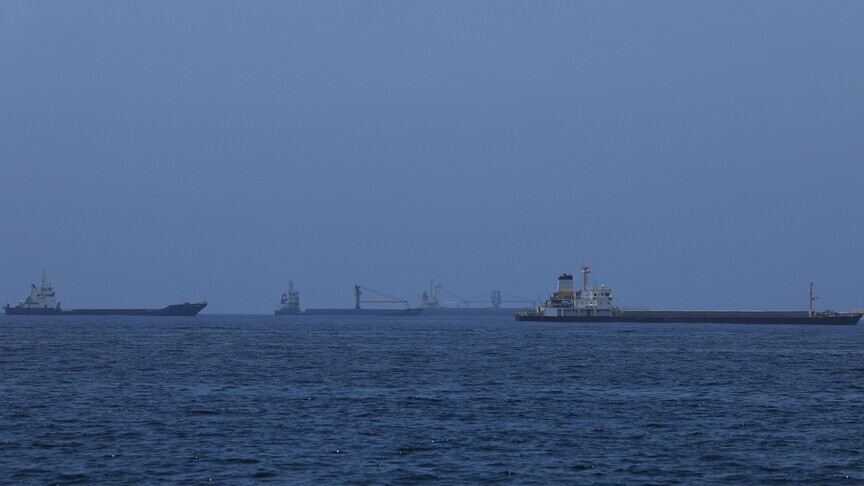
Tuesday dawn: The US military announced it carried out strikes lasting five hours in various parts of Iran, damaging a power plant on Kish Island, according to Iranian state media. Iran also launched new waves of attacks toward Bahrain, while the official Jordanian news agency reported that the Jordanian army shot down four missiles launched from Iran. Kuwait's Defense Ministry announced that four Kuwaiti soldiers were wounded in an Iranian attack targeting a Kuwaiti naval vessel. The Revolutionary Guard also announced it had "targeted and disabled" two oil tankers in the Strait of Hormuz. Later that night, the United States launched new strikes on Iran ahead of reimposing its blockade on Iranian ports.
Wednesday: The United States carried out several waves of strikes that killed at least seven Iranian military personnel, according to the Iranian military. A hospital in southwestern Iran was also temporarily evacuated after a projectile fell near it as a result of one of the US strikes, according to state media. Meanwhile, Jordan, Kuwait, and Bahrain repelled Iranian attacks.
Thursday dawn (local time): An explosion was heard in Tehran, while state media reported attacks in various parts of Iran. The Jordanian and Kuwaiti armies announced they had intercepted Iranian attacks. Later that evening, the United States launched more strikes, with reports of attacks in scattered areas of Iran.
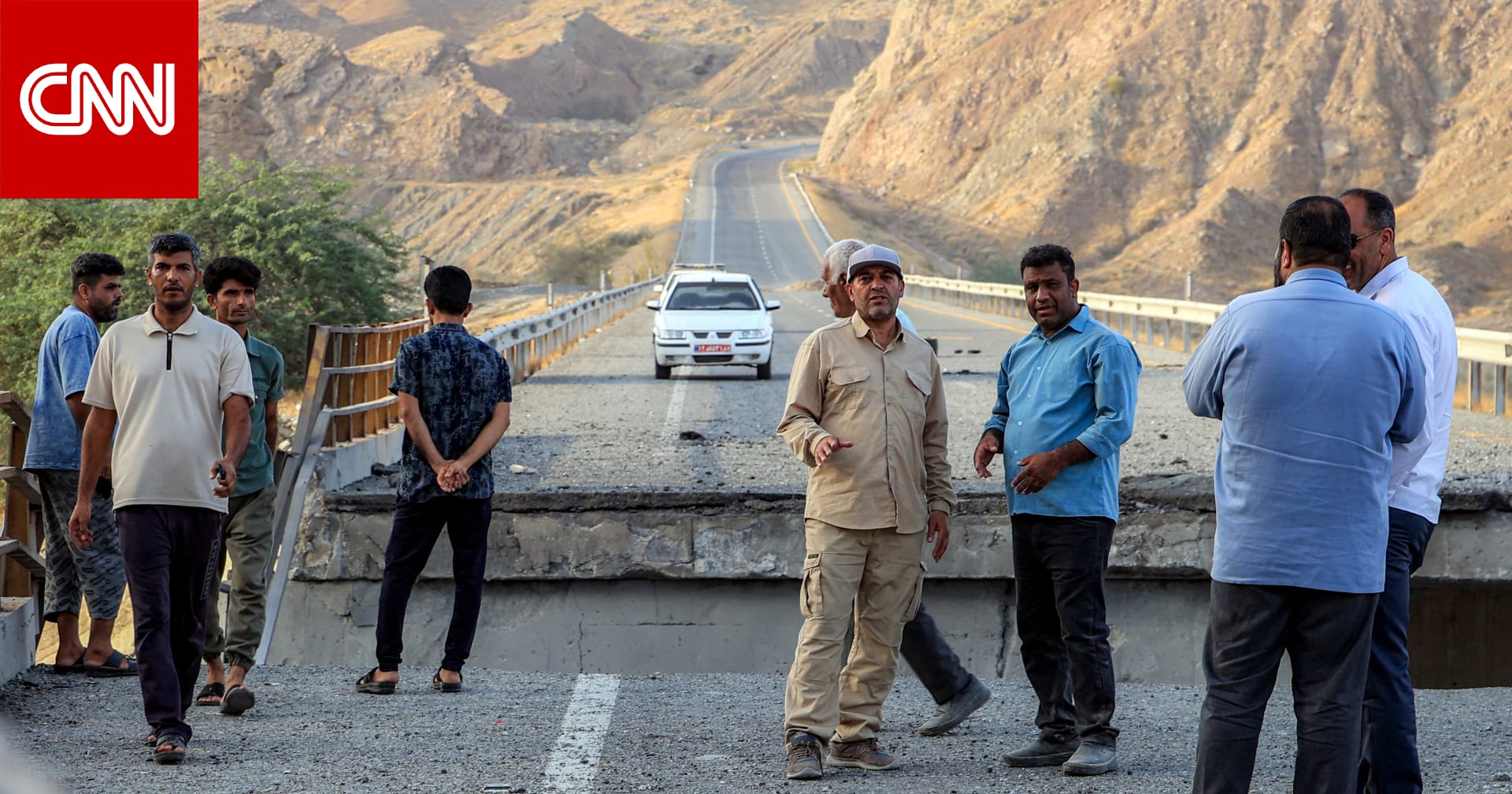
Friday dawn: Kuwait, Bahrain, Jordan, and Qatar announced they had come under new Iranian attacks. Kuwait said Iran targeted a power and desalination plant. In response, the United States launched new strikes on Iran, while Iranian state media reported that several bridges in southern Iran and a maritime navigation control tower were bombed. Iran also claimed it targeted US forces in Syria, but the US military and Syrian officials denied this.
Friday night to Saturday: The United States carried out the seventh night of its ongoing strikes on Iran, resulting in damage to a desalination plant in the south of the country, according to the deputy governor of Hormozgan. In response, Kuwait, Bahrain, Jordan, and Saudi Arabia announced raising alert levels or repelling Iranian attacks, while Kuwait said another power and desalination plant was bombed.
Saturday night to Sunday: The United States launched a new round of strikes on Iran following the killing of US soldiers in Jordan. Iran's official news agency IRNA, citing local residents, reported hearing explosions in Bandar Abbas and Qeshm Island. In response, Bahrain announced it had intercepted and destroyed several Iranian aerial attacks.
Original source: CNN Arabic


Comments (0)
Be the first to comment.