Tehran Challenges Threats and Affirms Protection of Its Interests in Strait of Hormuz
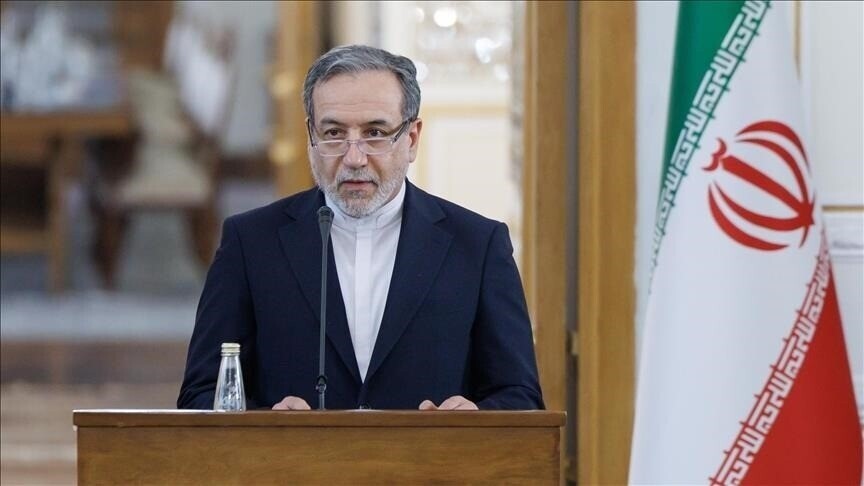
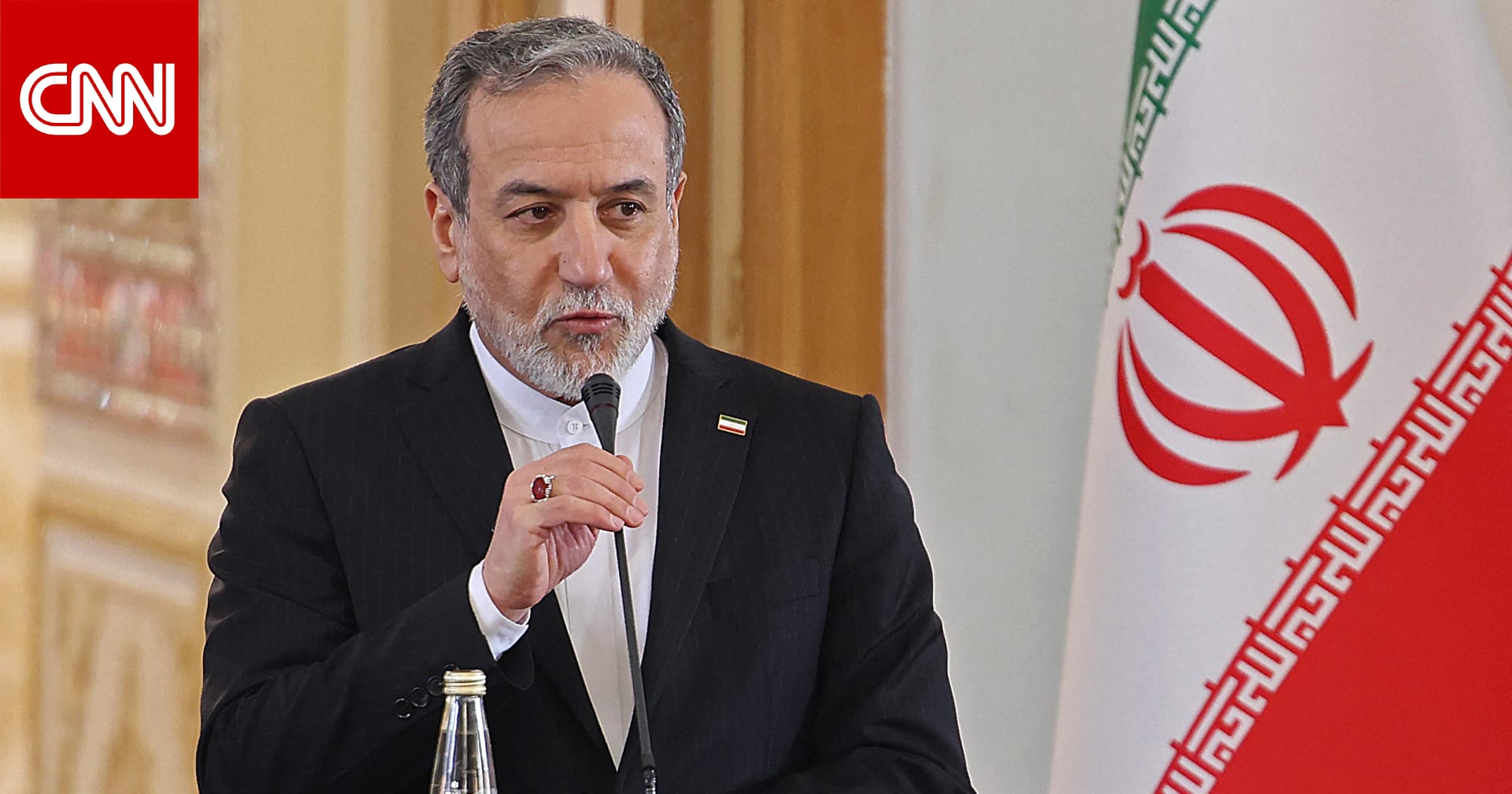
In a speech before foreign ministers of the Shanghai Cooperation Organization, Iranian Foreign Minister Abbas Araghchi reiterated his country's firm stance of not succumbing to external pressure, considering the protection of interests in the Strait of Hormuz a fundamental and inviolable principle.
International
Araghchi: Protecting our interests in Hormuz is a fundamental principle and we will not succumb to pressure
Iranian Foreign Minister Abbas Araghchi made statements during a meeting of foreign ministers of the member states of the Shanghai Cooperation Organization, according to the Iranian Foreign Ministry.
The Iranian Foreign Minister's remarks come at a time of increasing international pressure on Tehran over its nuclear program and influence in the region.
Haydar Şahin, Yılmaz Öztürk
July 24, 2026•Updated: July 24, 2026
ANKARA
Ankara / Anadolu
Iranian Foreign Minister Abbas Araghchi affirmed that his country does not fear threats nor succumbs to pressure, considering that protecting Iranian interests in the Strait of Hormuz is one of Tehran's fundamental principles.
This came in a speech on Friday during a meeting of foreign ministers of the member states of the Shanghai Cooperation Organization in Kyrgyzstan, as reported by the Iranian Foreign Ministry.
Araghchi indicated that Tehran follows a 'principled policy' and will remain committed to it, and that defending interests in the Strait of Hormuz is a key pillar of Iran's policy.
He added: 'We do not fear threats, we will not succumb to pressure, and we will not tolerate the language of threats.'
He continued: 'It is natural that we continue our moves until the goals and legitimate demands of the Iranian people are realized.'
Regarding Pakistani mediation efforts, the minister explained that Islamabad's submission of proposals and diplomatic contacts is a normal matter.
He added: 'There is no problem regarding the existence of a mediator between us and the United States; rather, the problem lies in the US approach.'
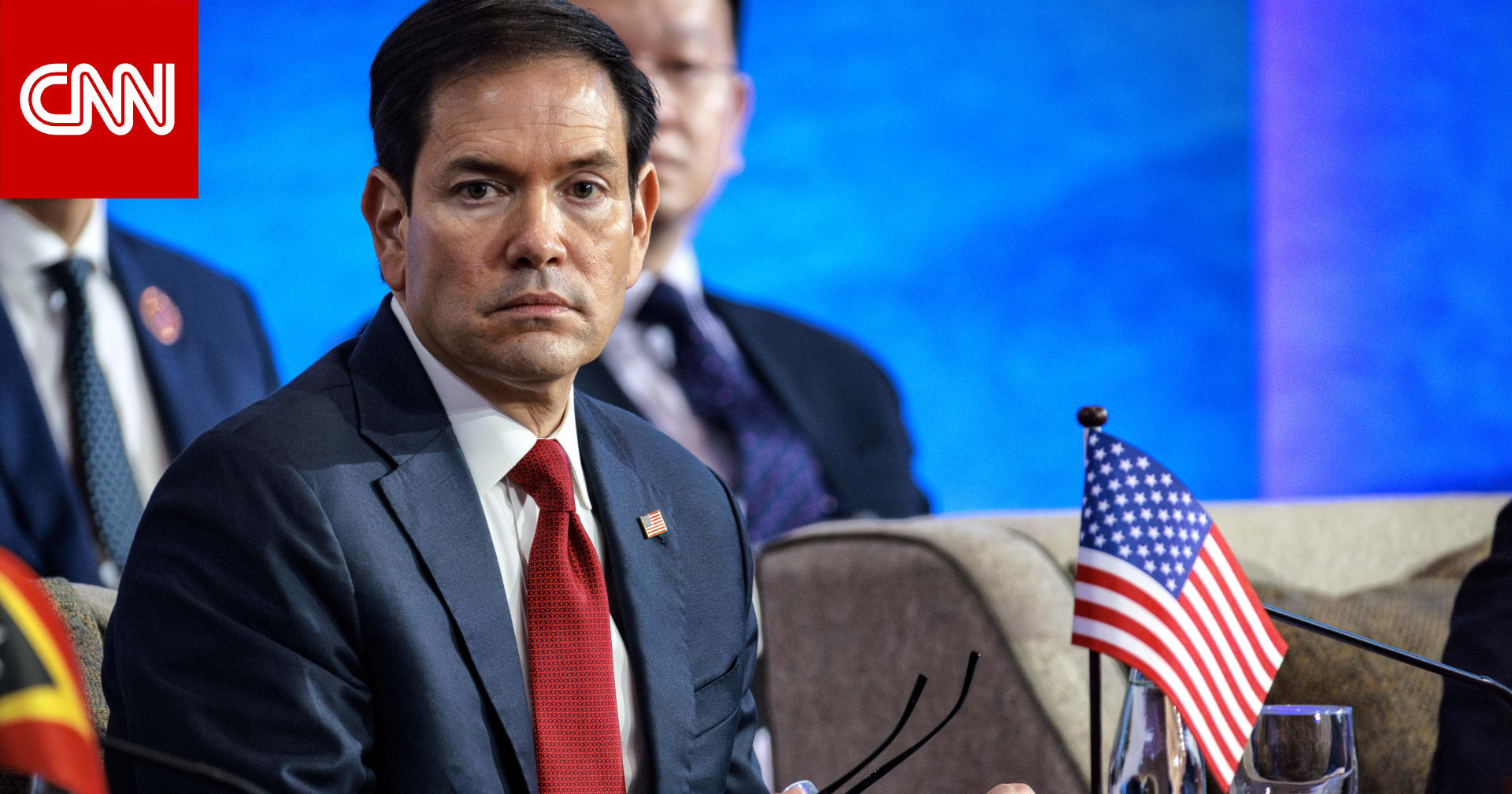
On Friday dawn, US President Donald Trump announced that any damage to ships or cargoes transiting the Strait of Hormuz will be compensated from frozen Iranian funds under US control.
For about two weeks, the United States has been launching successive waves of strikes on sites inside Iran, while Tehran responds with missile and drone attacks on military bases, facilities, and sites it says are linked to Washington in regional countries.
The escalation comes despite Washington and Tehran signing a memorandum of understanding last June that included a ceasefire and the start of negotiations to reach a broader agreement.
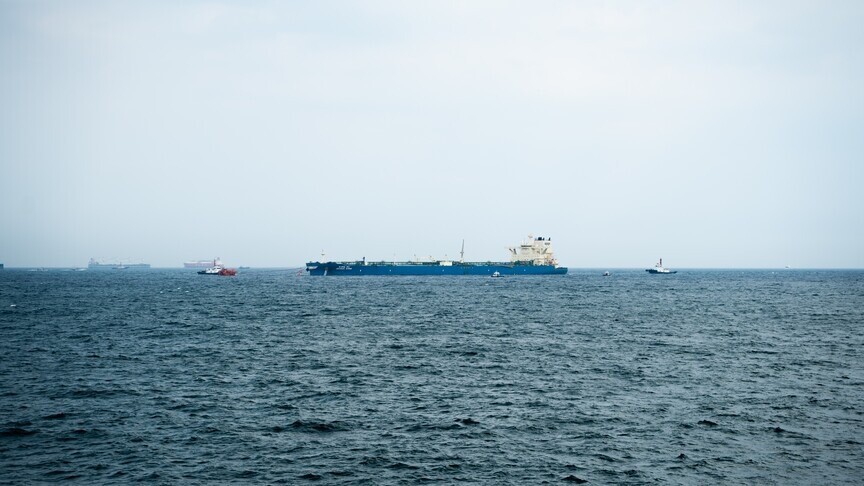
But US President Donald Trump announced on July 8 the end of the ceasefire, following attacks on tankers in the Strait of Hormuz that Washington accused Tehran of being behind, prompting the US to resume strikes inside Iran amid escalating Iranian responses in the region.
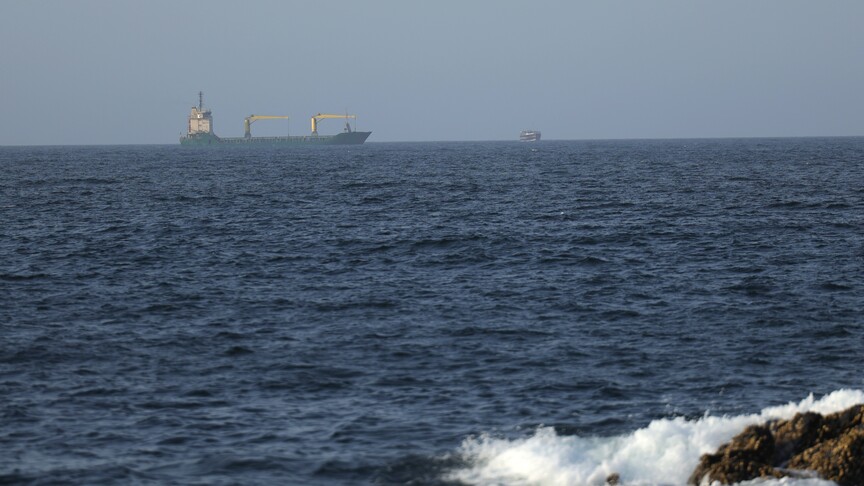
Washington demands that Tehran stop attacking ships and guarantee freedom of navigation through the Strait of Hormuz, while Iran insists on subjecting the passage of ships to a mechanism it regulates through the waterway overlooking its coasts, heightening fears of disruption of oil and gas exports from the region.
Araghchi's statements indicate the continuation of Tehran's escalatory approach towards Western pressure. Iran considers the Strait of Hormuz a red line in its foreign policy due to its economic and strategic importance. Tensions are likely to continue amid the intransigence of both sides. Also, Pakistan's mediation offer may open a new diplomatic channel, but its success remains contingent on a change in the US approach.
Original source: Anadolu Agency

Comments (0)
Be the first to comment.