Rubio: Iran 'Begging' the US for a Deal, Trump's Policy is 'Head for Eye'
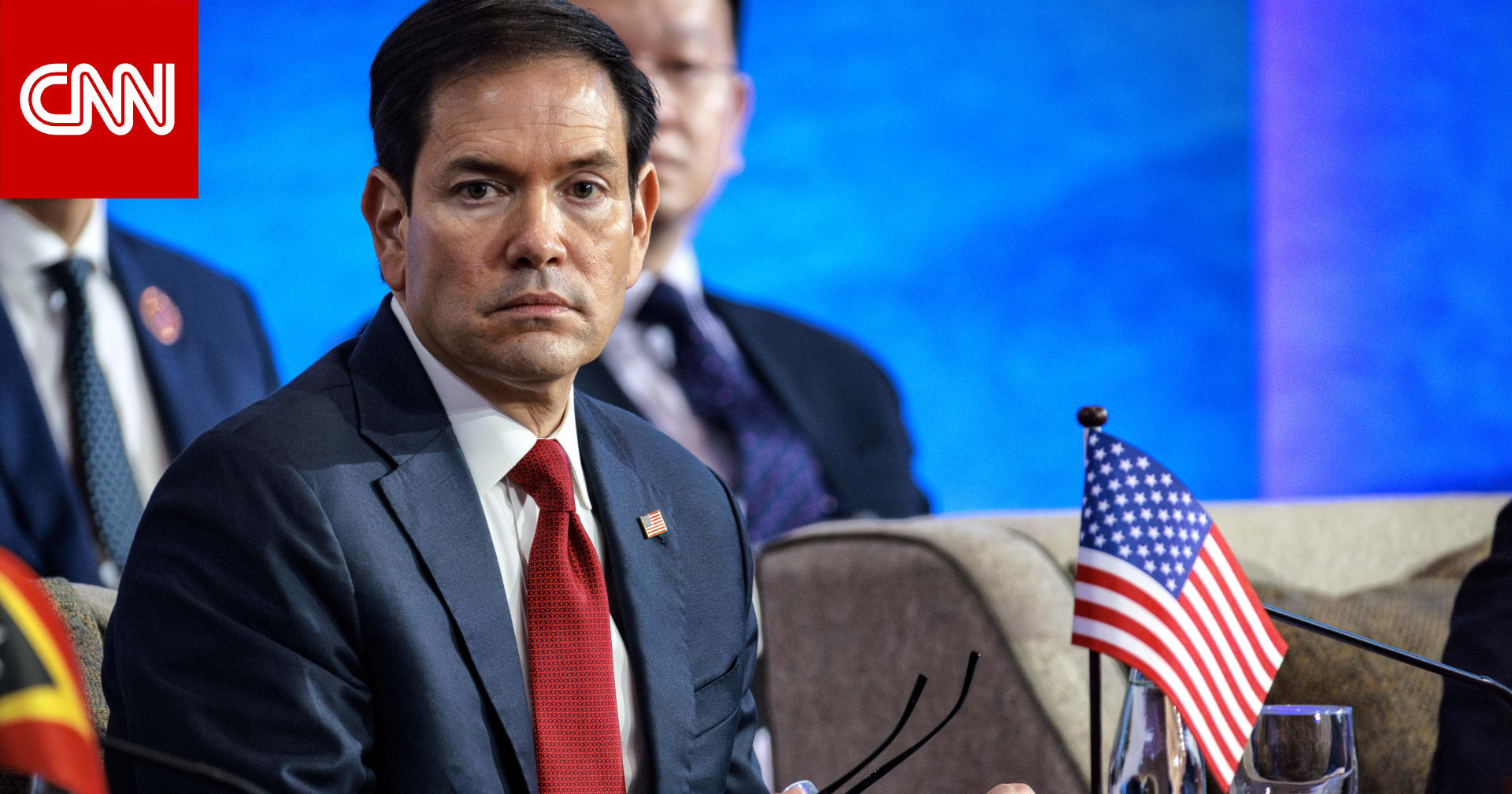
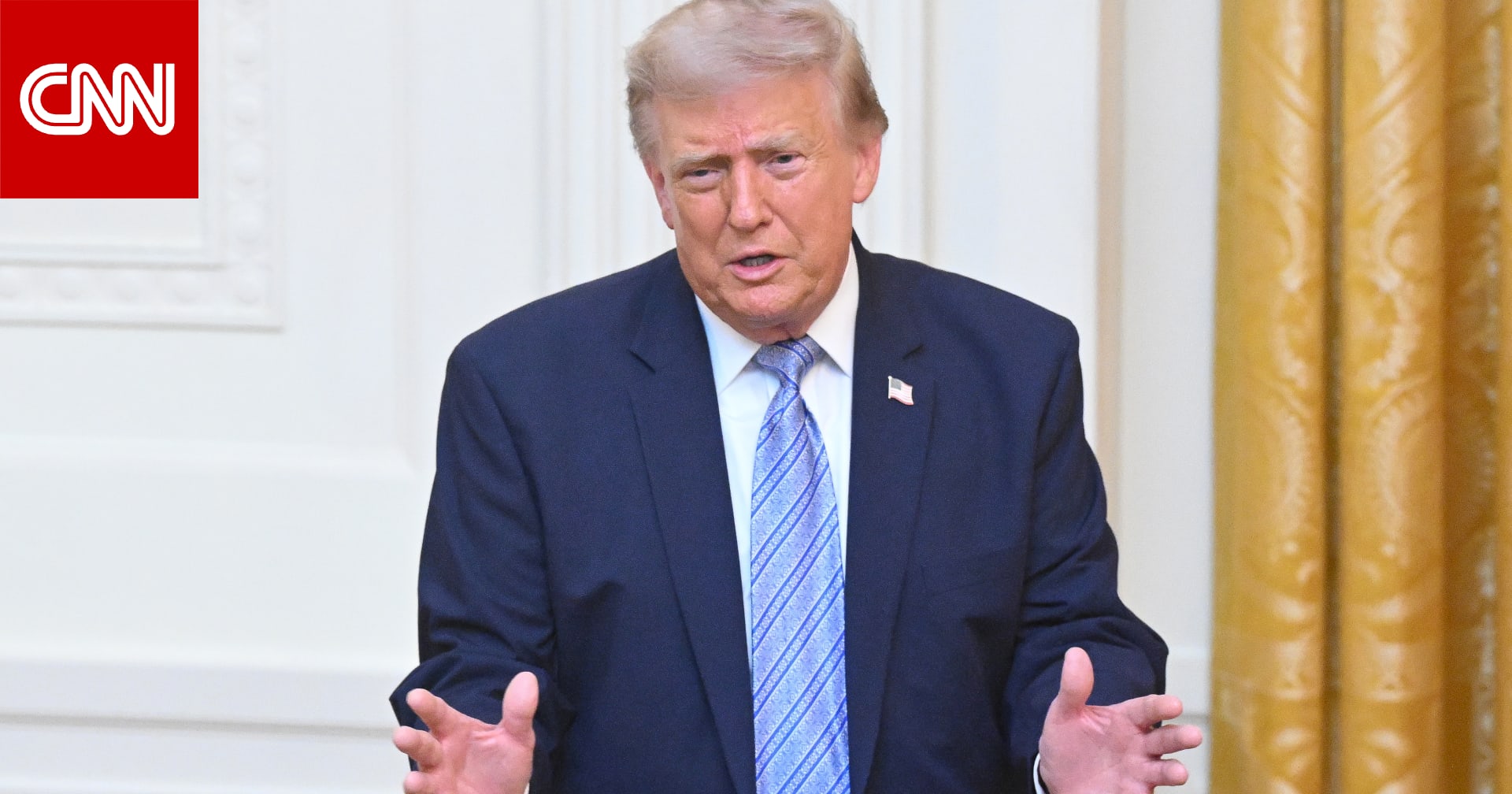
US Secretary of State Marco Rubio was asked on Thursday about President Donald Trump's recent threats to 'bomb and destroy' a bridge or a power plant every time Iran targets a ship in the Strait of Hormuz.
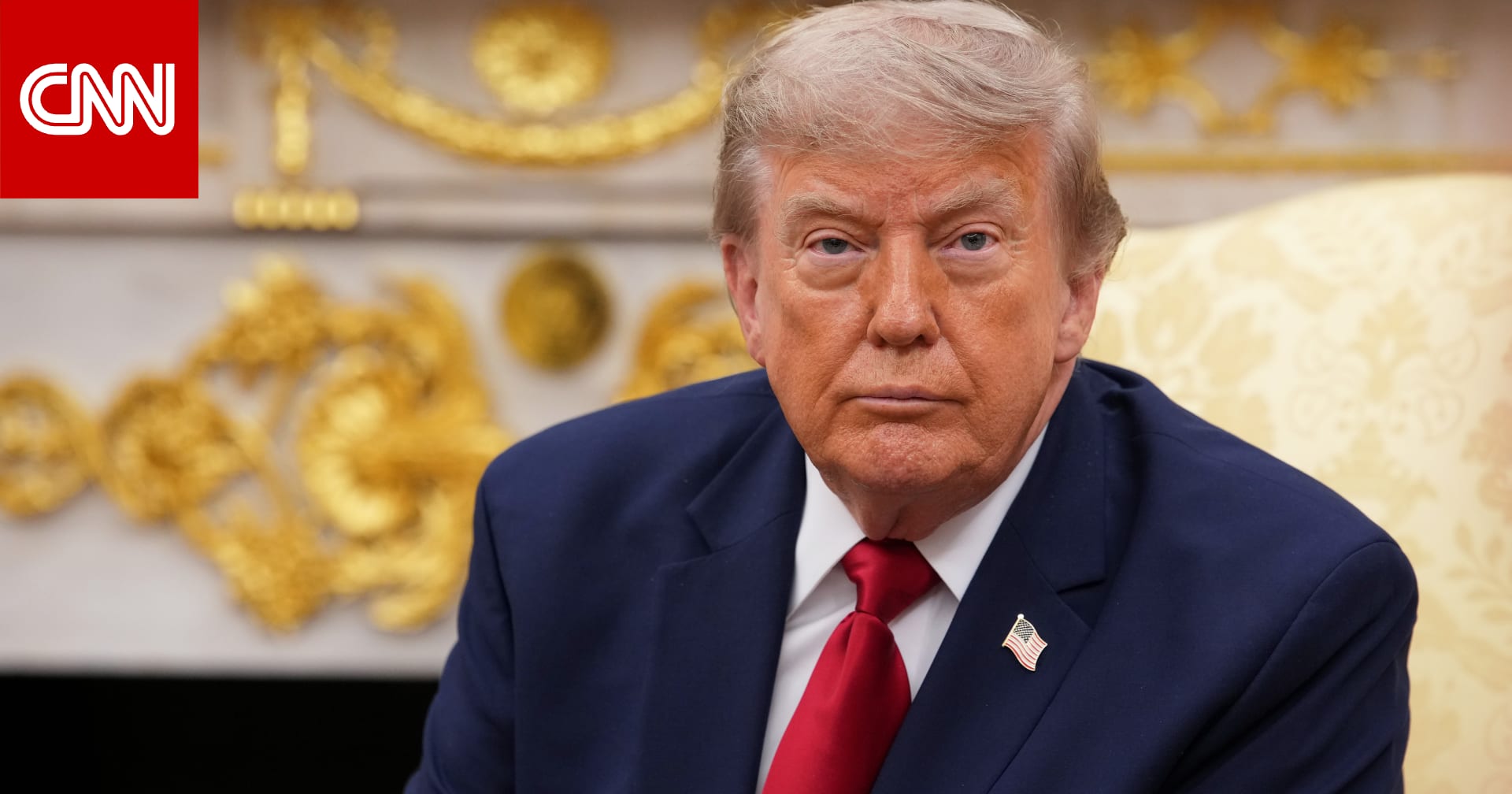
Questions were directed to US Secretary of State Marco Rubio on Thursday about President Donald Trump's recent warnings threatening to 'bomb and destroy' a bridge or a power plant for every Iranian targeting of a ship in the Strait of Hormuz.
These remarks come at a time when relations between Washington and Tehran are witnessing escalating tensions over Iran's nuclear program and its regional influence.
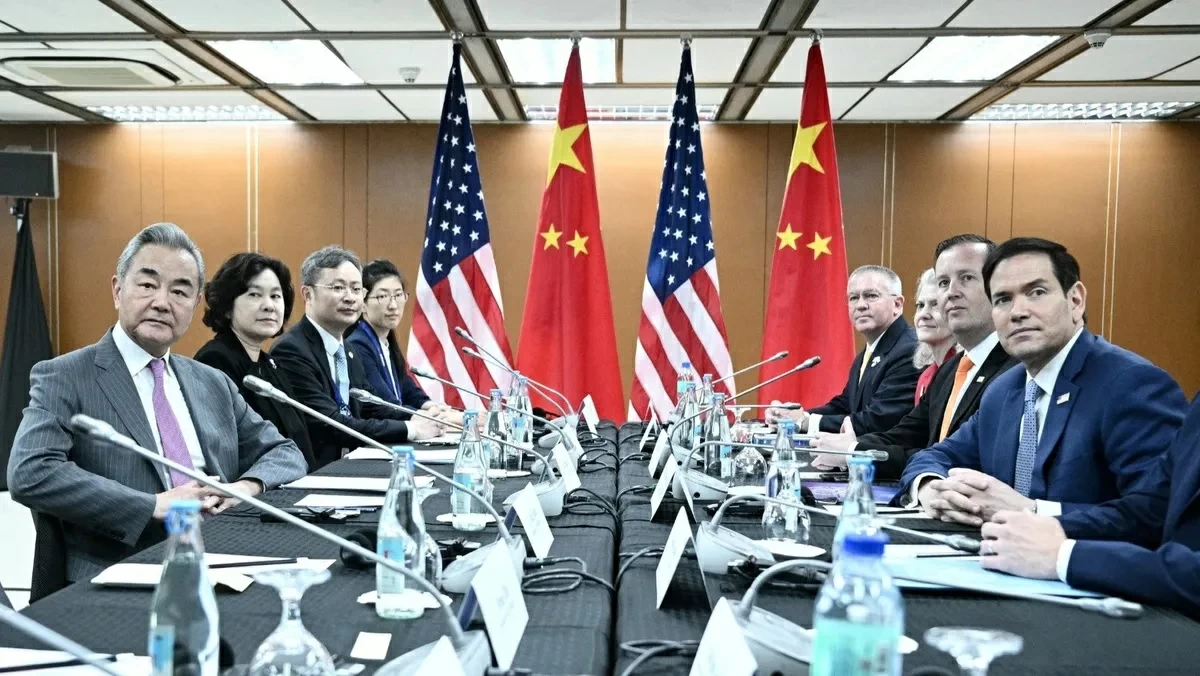
In remarks to reporters on the sidelines of the ASEAN summit in Manila, Rubio said Iran is 'begging' Washington directly and indirectly, asking to reach an agreement and start a dialogue.
He added that every time the US and Iran agree on a ceasefire agreement, 'the officials there either violate it or want to change it.'
He continued: 'So, they will continue to pay the price, and with each passing night, this price increases more and more.'
Rubio added that so far the Iranians have not shown 'wisdom,' and therefore the president sees no benefit in responding to their initiatives, because Tehran is not ready for an agreement to live within its framework.
Iranian Foreign Minister Abbas Araghchi recently described his country's defense doctrine as the principle of 'an eye for an eye.'
Araghchi said on platform 'X,' formerly Twitter, late Wednesday: 'Any aggression against Iran, including targeting our infrastructure, will require a strong and decisive response.'
Rubio concluded by saying that President Trump's policy is based on 'head for eye,' adding that this is where things are heading.
Iran adopts the 'eye for an eye' doctrine in response to any aggression, while Trump insists on a maximum pressure policy. These statements coincide with indirect talks between the two countries through mediators. Washington appears to be waiting for a fundamental change in Iran's behavior before any serious negotiation. In contrast, Tehran sees the US threats as complicating the chances of a diplomatic solution.
Original source: CNN Arabic
Comments (0)
Be the first to comment.