After months of displacement, residents of Zoutar al-Gharbiya return to their town in southern Lebanon
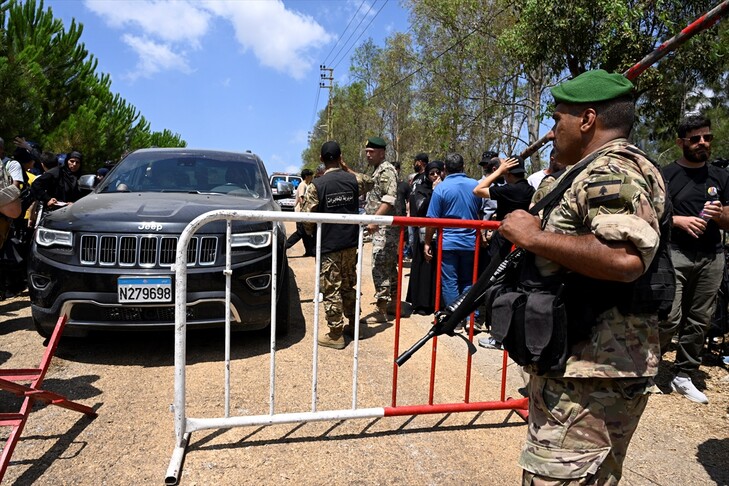
SOUTHERN LEBANON / Wassim Saif al-Din / AA
- Hajja Aliya Abu Zeid: Our joy is immense because it is a return to home, land, and livelihood
- Zeinab Nour al-Din: Residents are entering the town in successive batches; I will inspect my house and then leave
- Elderly Mahmoud Turkiyya: The entire town is wiped out, no houses, no land, no trees
- Marwan Hraibi: The army is required to protect the people given the circumstances surrounding the region
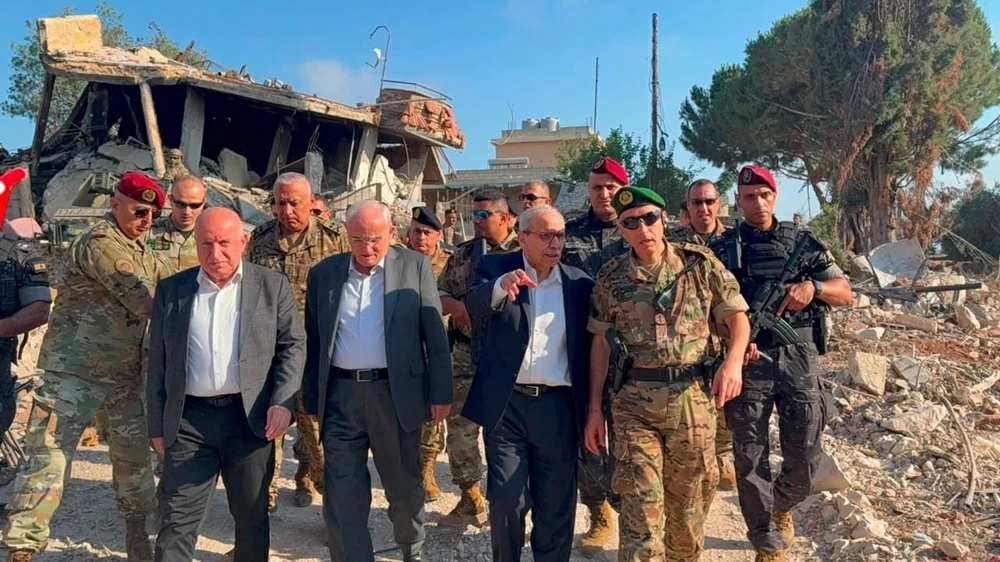
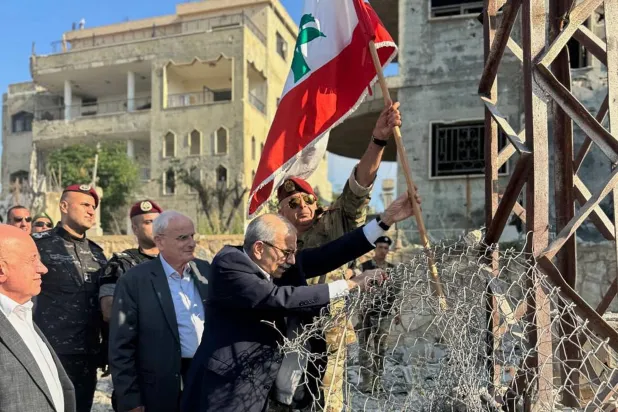
After months of displacement and waiting, residents of the town of Zoutar al-Gharbiya in southern Lebanon began entering their town on Friday, after engineering teams of the Lebanese army completed removing suspicious objects, unexploded bombs, and mines left by the Israeli army.
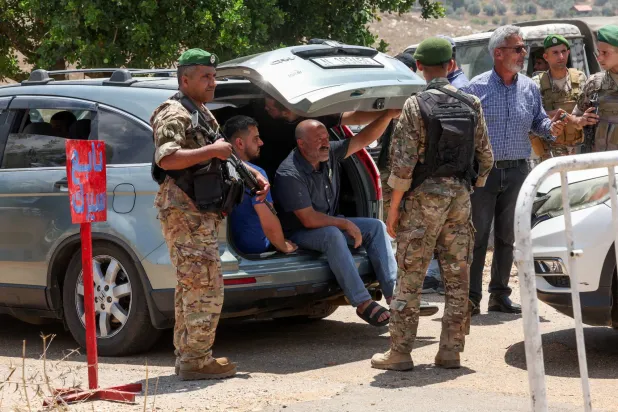
An Anadolu correspondent reported that the Lebanese army allowed residents on Friday noon to enter the western and northern neighborhoods of the town to inspect their homes, but did not allow them to stay there for now.
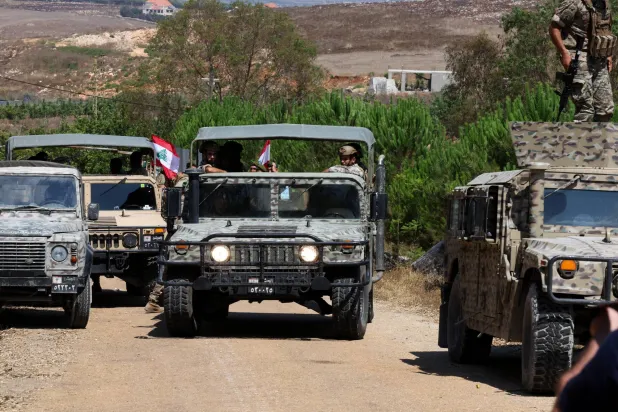
Units of the Lebanese army deployed at the town's entrance from the "Qaaqiyat al-Jisr" side to organize the entry of residents, who had waited at the entrance of Zoutar al-Gharbiya for four days before being allowed to enter on Friday.
This step came after engineering teams finished removing war remnants, unexploded ordnance, and mines left by the Israeli army in the town's streets and neighborhoods, enabling residents to enter safely, according to the Lebanese National News Agency.
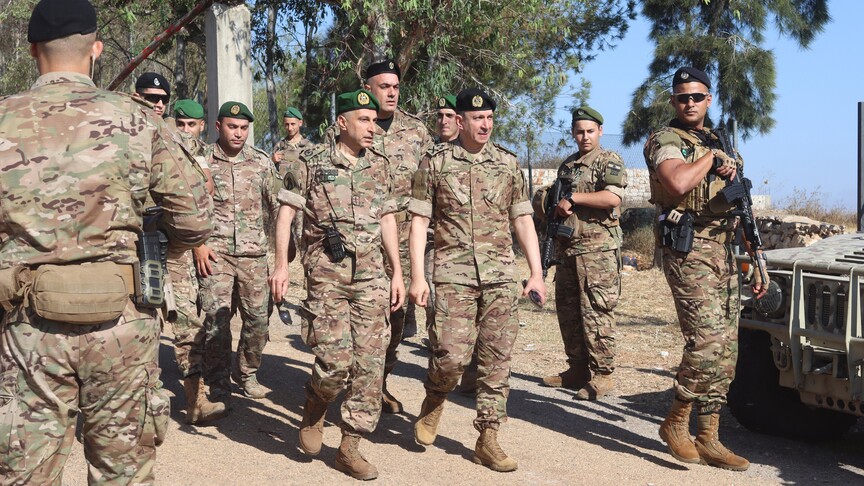
The Lebanese army had announced on Tuesday that it began deploying its units in Zoutar al-Gharbiya as part of the first phase of the "Framework Formula" agreement, according to the mechanism stemming from the tripartite understanding between Lebanon, the United States, and Israel.
Zoutar al-Gharbiya, located south of the Litani River, is one of the pilot areas covered by the first phase of the agreement signed in Rome on June 26 last year.
The agreement stipulates a gradual Israeli withdrawal from Lebanese territory, starting with implementing a model in pilot areas, with the Lebanese army assuming security responsibility and disarming armed groups, in reference to Hezbollah.
Joy of Return
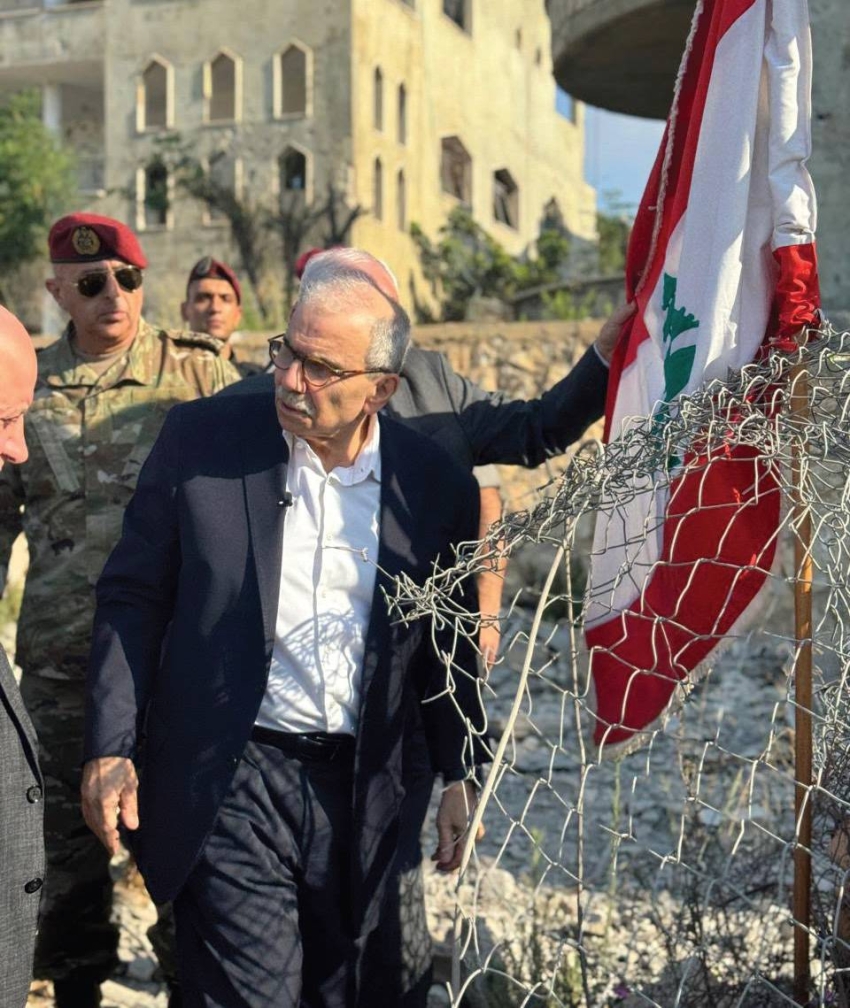
At the town's entrance, residents expressed their joy at returning after months of displacement, amid scenes of destruction affecting a large number of homes and infrastructure, affirming their commitment to return to their land despite the losses to their property.
Hajja Aliya Abu Zeid (76 years old) said: "Our joy is immense because it is a return to home, land, livelihood, and the toil we endured."
She added in her speech to an Anadolu correspondent that her house and her children's houses were destroyed, but she is determined to return to the town.
Abu Zeid continued that she wants to inspect "the place where her house was built," indicating her desire to "set up a tent in that spot."
She noted that she had been following the town's news during her displacement in the Shhim area in the Iqlim al-Kharroub region of Mount Lebanon, to keep up with what was happening in Zoutar in terms of explosions and destruction.
Regarding the Lebanese army's entry into the town, she said that is "a good thing," affirming that "the army gives us safety."
Photo: Houssam Shbaro/AA
Scenes of Destruction
For her part, Zeinab Nour al-Din (67 years old), one of the returnees to Zoutar al-Gharbiya, said she had been waiting since morning to be allowed into the town, noting that her house is "destroyed," but she thanks God for the return.
She explained that residents are entering the town in successive batches, and she has not yet been able to see her house, adding that she will enter to inspect it and then leave due to the lack of suitable conditions for staying at present.
Similarly, Mahmoud Turkiyya (77 years old), who was standing with his grandchildren, expressed shock at the scale of destruction, saying the town is "all wiped out, no houses, no land, no trees."
But Turkiyya, despite the destruction, expressed hope that the future would bring "beautiful days" for the new generation.
His grandson told Anadolu that the residents "want to enter Zoutar today before tomorrow," expressing "great joy at the return."
He noted that his family's house was not severely damaged, but a number of houses in the neighborhood were vandalized and destroyed.
Photo: Houssam Shbaro/AA
Clinging to the Land
Marwan Hraibi (65 years old), said his connection to the town never ceased during the displacement period because it occupied all his thoughts.
He added that a large number of houses were destroyed before the residents left, noting that the return came "thanks to the martyrs," as he put it.
Regarding the Lebanese army's entry into the town, Hraibi welcomed the step but called for providing protection for the residents.
On Monday, the US State Department announced the start of the pilot phase in the towns of Froun, Sarifa, and Zoutar al-Gharbiya, under the tripartite framework and under the auspices of the Special Military Coordination Group for Lebanon.
Since March 2, 2026, Israel has continued its aggression on Lebanon, resulting in 4,329 people killed and 12,233 injured, according to the Lebanese Ministry of Health.
Israel occupies areas in southern Lebanon, some for decades, and others since the confrontations in the region between 2023 and 2024; it also advanced more than 10 kilometers into Lebanese territory during the current aggression.
Original source: Anadolu Agency
Comments (0)
Be the first to comment.