Sudan: Women in El Obeid Between Drone Danger by Day and Violence by Night
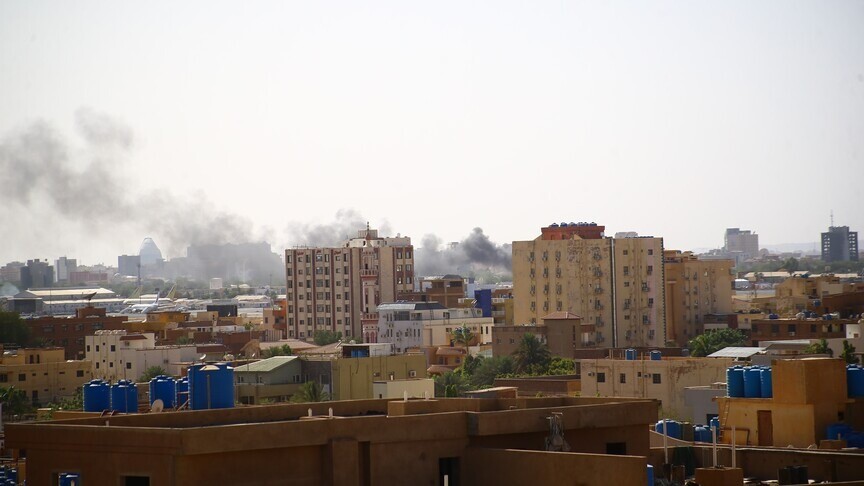
UN Women says Sudanese women have no safe time to fetch water due to drone attacks by day and harassment risks by night
KHARTOUM / Adel Abdelrahim / Anadolu
UN Women said on Friday that drone attacks by day and sexual violence by night have denied women and girls in El Obeid, the capital of North Kordofan state in Sudan, any safe time to fetch water.
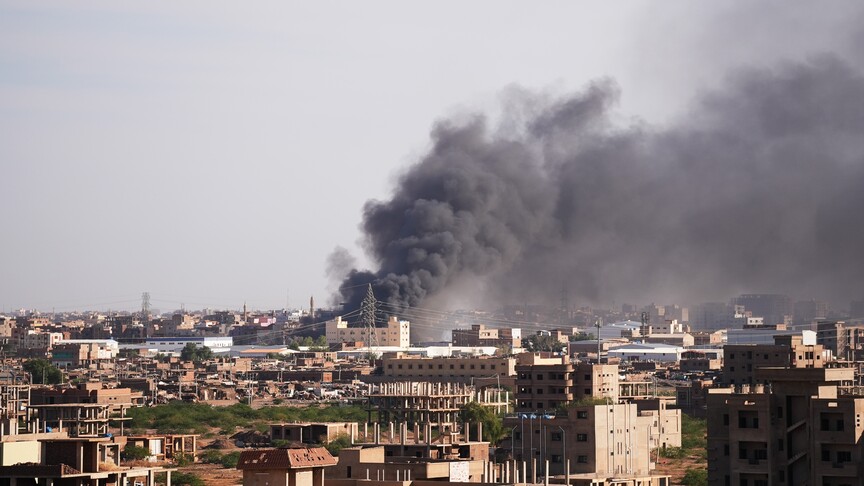
Since last June, drone attacks by the Rapid Support Forces (RSF) on the city and its surroundings have escalated, targeting schools, a market, fuel stations, water sources, and the main power station, leading to disruption of services, according to Doctors Without Borders.
UN Women expressed grave concern in a statement over the 'escalating pattern of violence against women and girls' in El Obeid, explaining that drone attacks during daylight hours and the risks of sexual violence at night have made fetching water a perilous task.
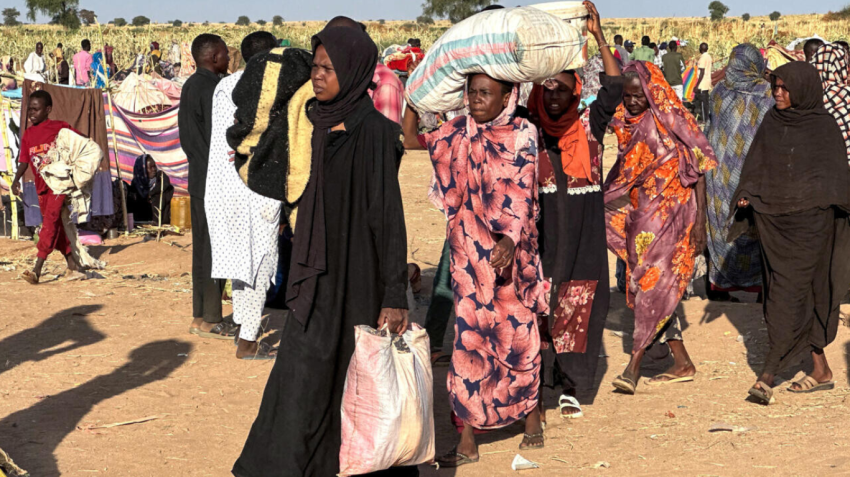
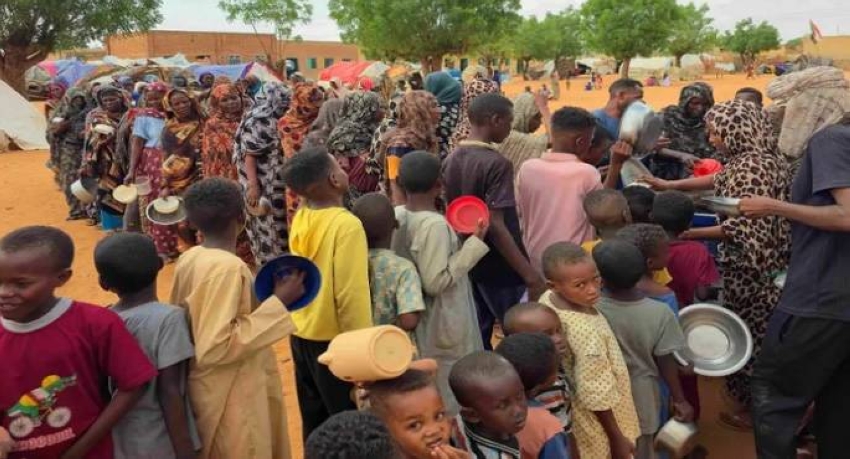
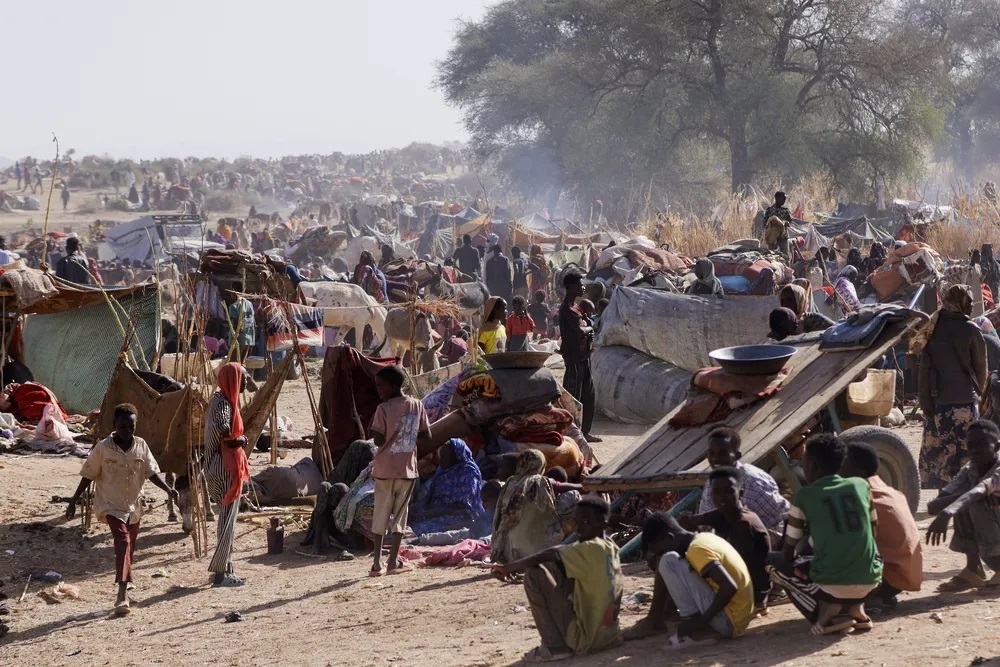
It added that access to food, healthcare, and other essential services has become severely restricted, especially in displacement sites.
It warned that the approaching peak of the rainy season in August will increase the need for safe water to curb the risk of waterborne diseases, at a time when cholera has begun to spread in Sudan.
It explained that the combination of malnutrition, which weakens the immune system and raises growing concern among women and girls, with limited access to healthcare services, increases their risk of contracting serious diseases that could lead to death.
The agency said it received testimonies from women and girls in El Obeid stating that drone strikes targeting water sources and distribution points during the day force them to wait until dark to fetch water.
It added: 'While they believe darkness offers them some protection from aerial attacks, they face harassment, rape, and other forms of sexual violence while trying to obtain water.'
It stressed that there is no safe time for women and girls to fetch water, noting that the situation reflects patterns of violations previously documented in El Fasher, North Darfur.
On 6 July, the UN Human Rights Council, without a vote, adopted a resolution tasking the Independent International Fact-Finding Mission for Sudan to urgently investigate potential violations and abuses of international human rights law and international humanitarian law in and around El Obeid.
Meanwhile, the UN High Commissioner for Human Rights warned on 11 May of the escalating use of armed drones in Sudan, saying their strikes have killed at least 880 civilians between January and April 2026, accounting for over 80 percent of total conflict-related civilian deaths in that period.
Since 25 October 2025, fighting has escalated in the three states of the Kordofan region (North, West, and South) between the Sudanese army and the Rapid Support Forces, leading to civilian casualties and the displacement of hundreds of thousands.
The humanitarian crisis in Sudan is worsening due to the ongoing war between the army and the RSF since April 2023, stemming from disagreements over integrating the latter into the military.
The war has killed tens of thousands, while the number of internally displaced Sudanese, refugees, and asylum seekers abroad reached about 12.9 million by the end of 2025, according to the UN High Commissioner for Refugees.
Original source: Anadolu Agency

Comments (0)
Be the first to comment.