Escalation between Washington and Tehran: Open War or Negotiation Under Fire?

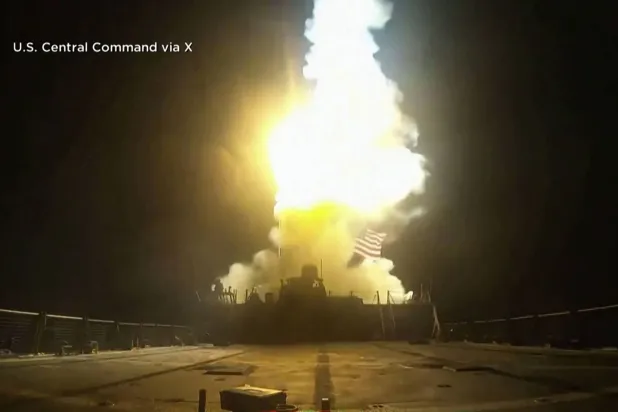
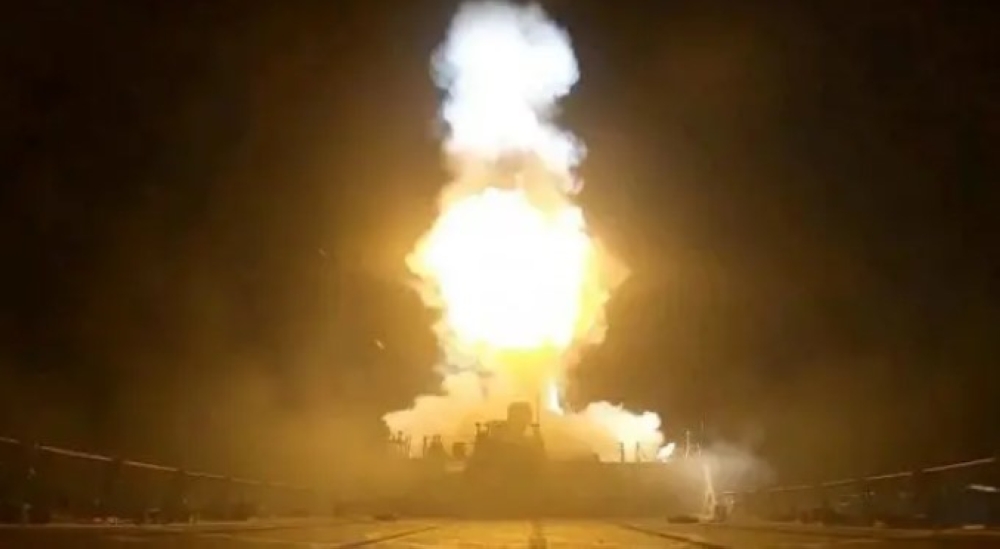
The atmosphere of escalation continues to dominate the scene between Iran and the United States, as the scope of military operations and the exchange of strikes expands, amid fears that the confrontation may turn into a full-scale regional war.
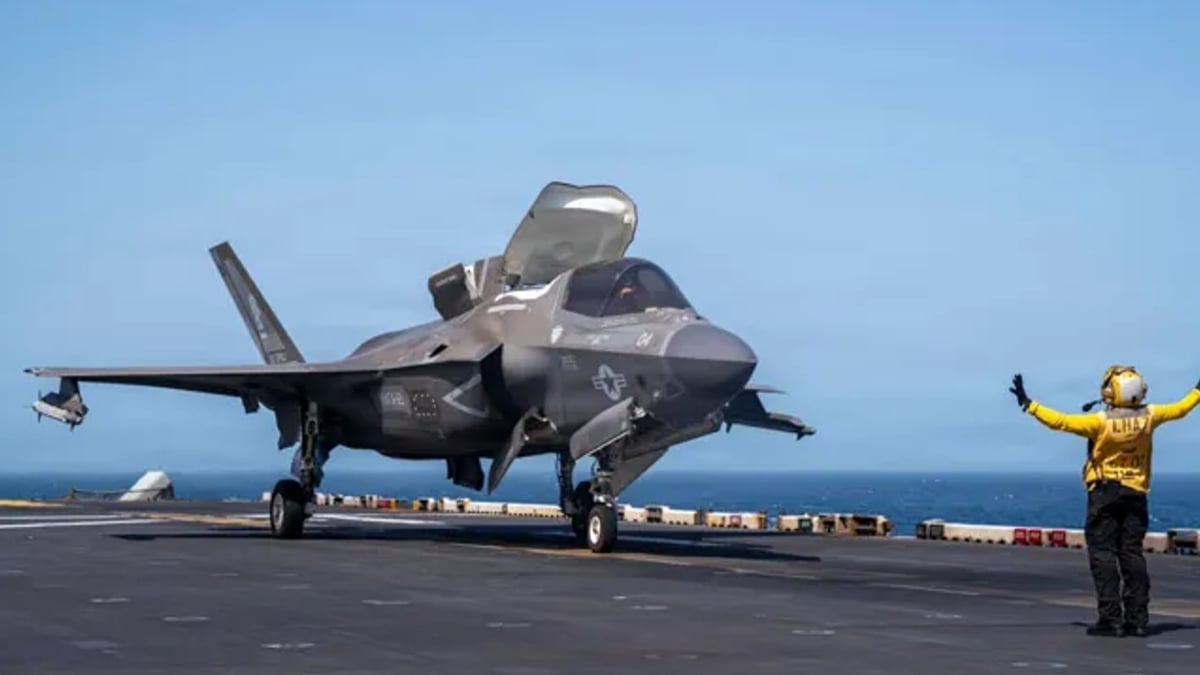
At a time when Washington announced the expansion of its strikes to include sites in several areas inside Iran, Tehran accused the United States and its allies of launching an illegal aggression, while tensions extended to the Gulf vicinity with strikes targeting facilities and interests linked to countries in the region, which once again raised questions about the limits of the confrontation and the potential to contain it through diplomatic channels.
In the newsroom of "Sky News Arabia," a number of experts and politicians discussed the future of the crisis, including some who see the two sides engaging in "negotiation under fire," and others who consider the current escalation a prelude to a broader war.
Washington and Tehran: Waves of Escalation and Messages of De-escalation
0 seconds of 0 secondsVolume 90%
Press shift question mark to access a list of keyboard shortcuts
00:00
00:00
00:00
unmute
Washington and Tehran: Waves of Escalation and Messages of De-escalation
Negotiation by Force and Breaking Influence
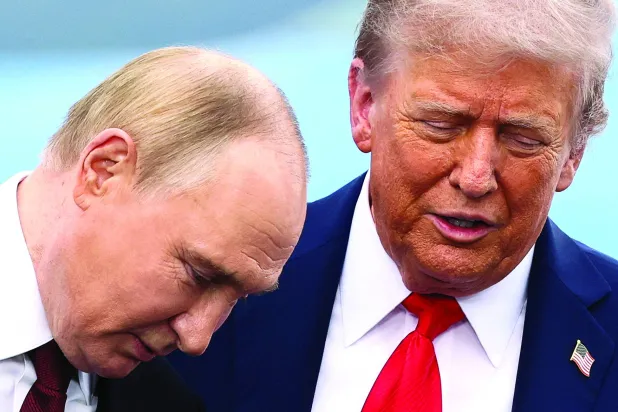
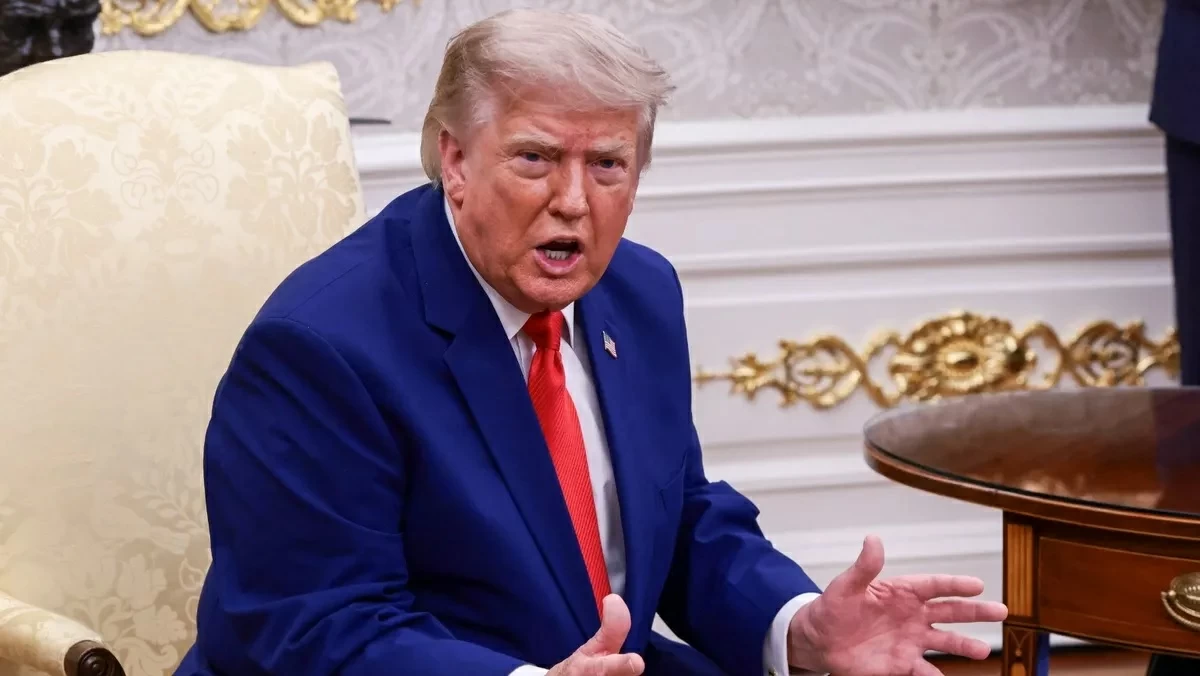
The head of the Iraqi Citizenship Project, Ghaith al-Tamimi, said the nature of the confrontation had changed, pointing out that the administration of US President Donald Trump adopts an approach of negotiating from a position of strength.
Al-Tamimi said: "President Trump from the beginning spoke about negotiation by force, because Iran began to raise the ceiling of its expectations of its strength, influence, and role in the region, and it began to form entities that disrupt regional and international security and stability."
He added that what distinguishes the current phase, in his view, is that "negotiation is taking place under fire," considering that economic and military pressures aim to push Tehran to make concessions.
Ongoing War Intertwined with Negotiations
For his part, Senior Fellow at the Atlantic Council in Washington, Samir al-Taqi, said that what is happening represents an "ongoing war interspersed with negotiation operations."
He explained: "The logic that President Trump is working on is to break Iran's ability to remain in control of key issues."
Al-Taqi pointed out that Washington is currently focusing on specific files, saying: "The discussion has become confined to the issue of Hormuz and the nuclear file, while the issue of missiles and regional arms seems to have been left for a regional solution."
He added that Iran faces difficulty in managing the negotiation path due to hardline internal positions, considering that "the war is calculated and there are no longer clear surprises."
Possibilities of All-Out War
Writer and political researcher Jaafar Salman saw that the region may be facing a more dangerous phase, warning that the current escalation could lead to a new confrontation.
Salman said: "I believe we are on the brink of a new war, and this can be read through the escalation: a full economic blockade, a blockade on ports, and escalating military strikes."
He added that Israel's entry into the confrontation line could be a decisive factor, saying: "Netanyahu is now alert and wants a small Iranian mistake to enter the war."
Legal Debate and Targeting of Civilian Facilities
Professor of Public International Law Dr. Amer Fakkhoury focused on the legal dimension of the confrontation, considering that targeting civilian facilities constitutes a serious violation of international law.
He said: "When you target infrastructure, safe areas, or civilian targets, this has one description: war crimes."
He added: "International law needs states to stand behind it, because states are the ones that implement the rules of international law."
Fakkhoury pointed out that protecting navigation, the sovereignty of states, and non-interference in internal affairs are among the fundamental principles stipulated by the international system.
Related News
The Iranian Narrative: Response to Aggression
From Tehran, expert in international and regional affairs Hakim Amehz presented a different view, affirming that his country considers its actions part of the response to what it describes as US and Israeli aggression.
Amehz said: "If we talk about international law, where is international law regarding the US-Israeli aggression on Iran?"
He added: "The attacked state has the right to target the assets and logistics that help missiles and aircraft reach the attacked state."
Amehz rejected the notion that Iranian movements are intentional targeting of neighboring countries, explaining that Tehran, according to him, targets what it considers military support for the United States in the region.
Between Deterrence and Negotiation
While Washington and its allies see that military and economic pressure aims to change Iran's behavior, Tehran confirms that its actions come within the framework of deterrence and self-defense.
The most prominent question remains: Will negotiation channels succeed in containing the crisis, or will the ongoing escalation push the region toward a broader confrontation?
Original source: Sky News Arabia

Comments (0)
Be the first to comment.