Israel Uses Removal of Karim Khan to Challenge Arrest Warrants for Netanyahu and Gallant
JERUSALEM / Anadolu
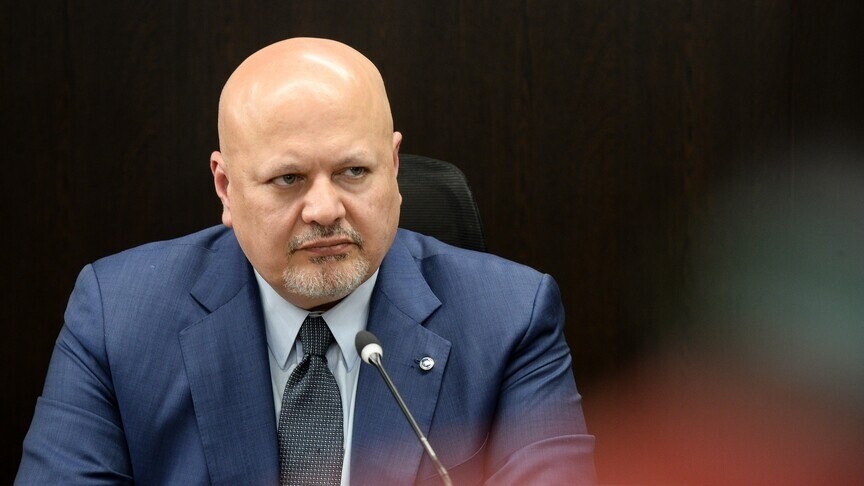
- The International Criminal Court relieved its chief prosecutor Karim Khan from his post following an investigation into allegations of "harassment"
- Tel Aviv demanded the cancellation of the arrest warrants issued by the International Criminal Court against Netanyahu and Gallant
- The removal of the prosecutor does not automatically nullify the warrants; only the court's judges have the authority to withdraw them
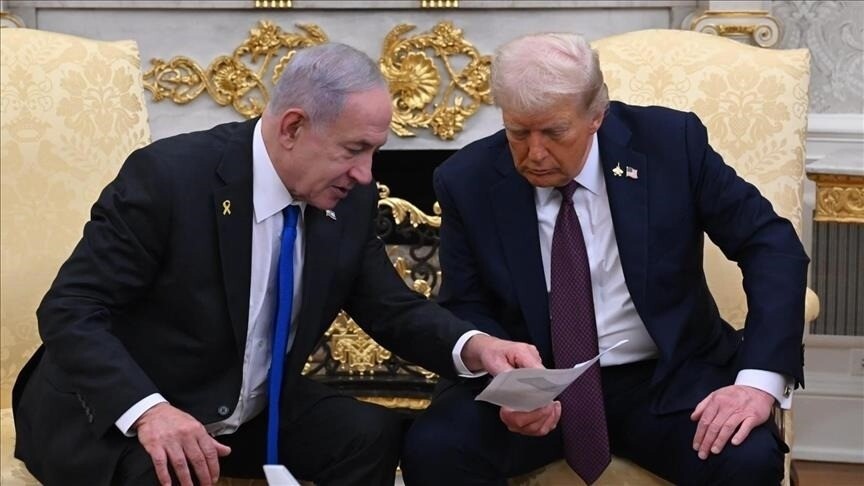
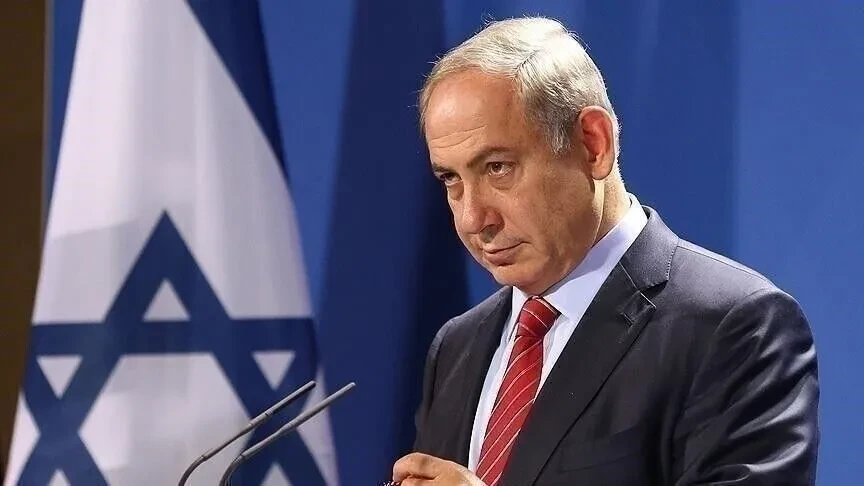
Israel on Friday welcomed the removal of International Criminal Court chief prosecutor Karim Khan and sought to use the decision to challenge the arrest warrants issued against Prime Minister Benjamin Netanyahu and former Defense Minister Yoav Gallant.
The Israeli position came despite the warrants being issued by the court's Pre-Trial Chamber I as a judicial decision, and the removal of the prosecutor does not automatically nullify them, as only the court's judges have the authority to withdraw them.
On Friday evening, 82 out of 125 member states of the Assembly of States Parties to the Rome Statute voted in a secret ballot at the United Nations headquarters in New York in favor of removing Khan over allegations of "sexual misconduct," which he denies.
Israeli Foreign Minister Gideon Sa'ar said in a post on the American platform X that Khan's removal, which he described as "long-awaited," revealed what he claimed was the "moral bankruptcy of a corrupt prosecutor," according to his expression.
Sa'ar alleged that Khan rushed to request the arrest warrants against Netanyahu and Gallant "in an attempt to cover up the serious misconduct he feared would be exposed," without providing evidence of a link between the accusations against Khan and his request for the warrants.
He added that the warrants are "politicized and disgraceful," claiming they should never have been issued against officials of a state that is not a member of the court, calling for their immediate cancellation.
However, the International Criminal Court had previously ruled that its territorial jurisdiction in the Palestinian situation extends to the territories occupied by Israel in 1967, namely the Gaza Strip and the West Bank, including East Jerusalem, after the State of Palestine acceded to the Rome Statute.
The Pre-Trial Chamber I also rejected in November 2024 Israel's objections to the court's jurisdiction before issuing the arrest warrants for Netanyahu and Gallant.
For his part, Israel's ambassador to the United Nations Danny Danon said on platform X that the court's member states voted by a majority of 82 countries in favor of removing Khan.
Danon claimed that Khan believed what he called his "political campaign against Israel and the arbitrary arrest warrants he issued" would divert attention from the sexual harassment allegations against him, adding: "But he was wrong."
Danon also used the decision to attack New York Mayor Zahran Mamdani, saying: "Beware, using Israel as a political weapon will not protect you from accountability," without clarifying the nature of the accountability he meant.
His attack came days after Mamdani called on the US government to execute the arrest warrant for Netanyahu if he visits New York, despite acknowledging that city authorities do not have the legal authority to arrest him.
** The warrants remain in effect
On November 21, 2024, the Pre-Trial Chamber I of the International Criminal Court issued arrest warrants for Netanyahu and Gallant, based on requests submitted by the Prosecutor's Office led by Khan in May of the same year.
The court said it found reasonable grounds to believe that Netanyahu and Gallant bear criminal responsibility for the war crime of using starvation as a method of warfare, and for crimes against humanity including murder, persecution, and other inhumane acts.
The chamber also found reasonable grounds to believe that they, as civilian superiors, bear responsibility for the war crime of intentionally directing an attack against civilians in the Gaza Strip.
Khan submitted the request for the warrants, but the Pre-Trial Chamber, composed of judges, examined the evidence and made the decision to issue them.
According to the court's rules, arrest warrants remain in effect unless the judges decide to withdraw them, so Khan's removal does not automatically affect them.
The court still classifies Netanyahu and Gallant as wanted persons outside its custody.
Khan denies accusations
Khan's removal came after an investigation into allegations of "sexual misconduct" toward a female employee who worked with him at the court.
The allegations became public in October 2024 and relate to alleged incidents that occurred during the same year.
Against this backdrop, Khan temporarily stepped aside from his duties in May 2025, before being formally suspended from work in June 2026, pending the member states' vote on his removal.
Khan, a 56-year-old British lawyer, denies the accusations against him, and his lawyers said he did not have "any sexual relationship of any kind" with the employee, considering his removal proceedings illegal, procedurally unfair, and not based on sufficient evidence.
Khan's removal is the first ouster of a chief prosecutor of the International Criminal Court since its establishment in 2002, and the Assembly of States Parties is set to begin procedures to select a successor, amid expectations that the new prosecutor will not be elected before next year.
The court faces escalating US and Israeli pressures over the arrest warrants for Netanyahu and Gallant, as Washington imposed sanctions on Khan and a number of court judges and officials.
The United States and Israel are not members of the court, but the State of Palestine acceded to the Rome Statute in 2015, granting the court jurisdiction over crimes committed on its territory, regardless of the nationality of the accused.
Original source: Anadolu Agency




Comments (0)
Be the first to comment.